
Vietnamese carrier adopts cloud-native cargo management platform as expanding international network and new widebody fleet drive freight ambitions.
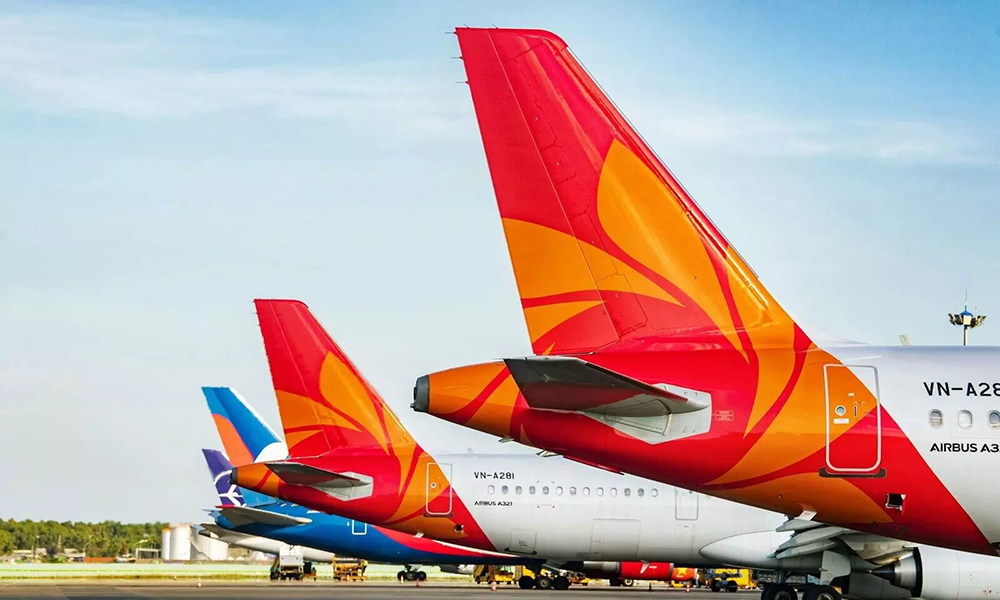
Sun PhuQuoc Airways has selected SmartKargo as the technology partner for its air cargo operations, signing a strategic agreement to deploy the company’s cloud-native cargo management platform as the foundation of a fully digitalized freight business. The partnership marks a significant step in the Vietnamese carrier’s strategy to establish cargo as a core pillar of its commercial growth while preparing for the expansion of its international network.
The agreement, signed on 21 July, will see the airline implement SmartKargo’s end-to-end cargo management platform, providing integrated capabilities through a single cloud-based architecture. The system is designed to support cargo booking, operations, capacity management, revenue optimization and shipment visibility, enabling the airline to scale its cargo business alongside its passenger operations.
Related Post



Building a Digital Cargo Business
Sun PhuQuoc Airways said the platform will provide the digital infrastructure required to develop a modern, technology-driven cargo operation capable of supporting future growth across domestic and international markets.
The airline expects air cargo to become an increasingly important contributor to network efficiency, commercial performance and long-term competitiveness as it continues expanding its route network across Asia and beyond.
The decision comes ahead of the introduction of Airbus A330 widebody aircraft from September 2026, which will substantially increase the airline’s belly cargo capacity on international services. According to SmartKargo, the arrival of the larger aircraft makes the deployment of a scalable and integrated cargo management platform a strategic priority as freight volumes grow.
Capitalizing on Vietnam’s Expanding Air Cargo Market
The partnership also reflects the rapid development of Vietnam’s air cargo sector, driven by the country’s export-oriented economy, expanding e-commerce market and growing role as a regional manufacturing and logistics hub.
With increasing demand for cross-border shipments, airlines are investing in digital technologies that improve operational efficiency, automate cargo processes and enhance customer visibility throughout the supply chain.
Technology as a Growth Enabler
Truong Ngo Quoc, Chief Information Officer of Sun PhuQuoc Airways, said the airline is building its cargo business around a technology-led strategy designed to deliver both commercial agility and long-term scalability.
He noted that following an extensive evaluation process, SmartKargo was selected because its platform not only meets the airline’s current operational requirements but can also support future network expansion and business growth.
According to Truong, the platform provides the digital infrastructure needed to compete effectively in regional and international cargo markets while helping establish a new benchmark for cargo operations in Vietnam.
Olivier Houri, Chief Revenue Officer of SmartKargo, described Southeast Asia as one of the world’s fastest-growing and highest-potential air cargo markets, with Vietnam positioned at the centre of that expansion.
He said the partnership demonstrates a shared commitment to using digital technology as the foundation for building a commercially competitive and operationally efficient cargo business capable of supporting the airline’s long-term ambitions.
Supporting Future Air Cargo Growth
As airlines across Asia accelerate digital transformation initiatives, cloud-based cargo management platforms are becoming increasingly important for improving operational efficiency, maximizing aircraft cargo capacity and responding to growing demand from e-commerce, manufacturing and express logistics.
For Sun PhuQuoc Airways, the deployment of SmartKargo’s technology establishes the digital backbone for its cargo operations at a time when Vietnam’s air freight market continues to expand, positioning the airline to capitalize on new opportunities in one of Southeast Asia’s fastest-growing aviation markets.