
San Miguel Corporation (SMC) is moving closer to delivering the first runway of the ₱735-billion New Manila International Airport (NMIA) ahead of its original 2028 timeline, marking another major milestone in one of Southeast Asia’s largest aviation infrastructure projects.
The company revealed that the first runway at the Bulacan-based airport could be completed earlier than planned, with operational readiness potentially achieved by the second quarter of 2028. The accelerated timeline underscores SMC’s commitment to developing a new aviation gateway that will significantly enhance the Philippines’ airport capacity and support long-term passenger and cargo growth.
Speaking during SMC’s annual shareholders’ meeting, Chairman and Chief Executive Officer Ramon S. Ang confirmed that construction progress remains on course despite challenges related to material supply and large-scale earthworks.
Related Post


“We are on track to finish the first runway for 2028. In fact, it can even be earlier,” Ang said, adding that while the runway is progressing steadily, other components of the project, including the passenger terminal and logistics facilities, will require additional time for completion.
Logistics Hub Faces Delay Due to Material Constraints
A key component of NMIA’s future cargo ecosystem—the airport’s logistics centre—has experienced delays primarily due to shortages of fill sand required for land development. Originally targeted for completion in 2025, the logistics hub is now expected to be operational by the end of 2026.
According to SMC, the project requires approximately seven million cubic metres of fill material, with supply affected by increased demand from multiple reclamation projects around Manila Bay.
Despite these challenges, the company indicated that the runway construction schedule remains largely unaffected, keeping the airport on course for its targeted operational launch period.
A New Gateway for Passenger and Cargo Growth
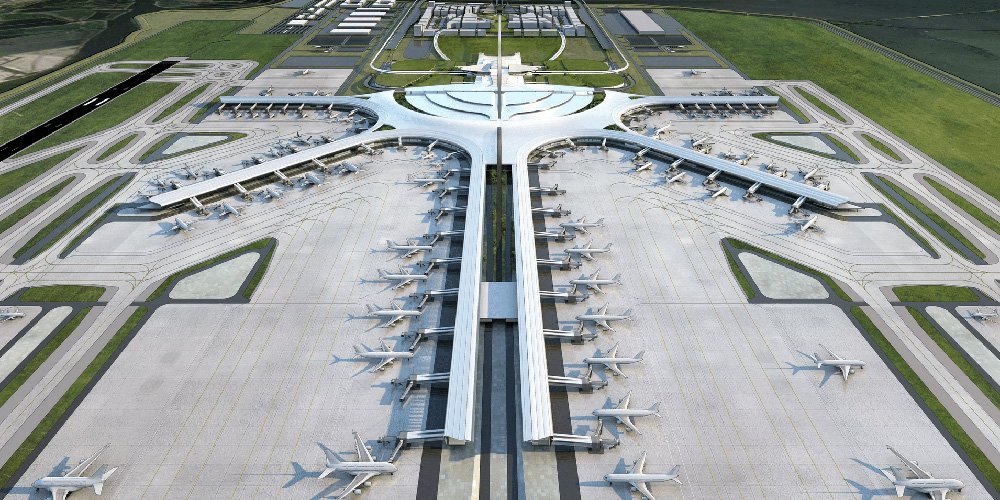
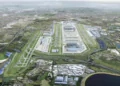
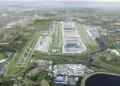
Located in Bulakan, Bulacan, the New Manila International Airport spans approximately 2,500 hectares and represents a transformational investment in the Philippines’ aviation infrastructure.
During its initial phase, the airport is designed to handle approximately 35 million passengers annually, with future expansion planned to increase capacity to 100 million passengers per year.
The first development phase includes two of the airport’s four planned parallel runways, enabling simultaneous aircraft movements and accommodating a wide range of aircraft, including large wide-body jets. The project also includes a modern passenger terminal equipped with advanced technology and designed to support efficient airport operations.
Beyond passenger services, NMIA is expected to become a strategic logistics and air cargo gateway, strengthening supply chain connectivity for the Greater Manila Area and surrounding economic regions, including Central Luzon and CALABARZON.
Once fully operational, the new airport will serve as a significant alternative to Ninoy Aquino International Airport, helping ease congestion while supporting the Philippines’ growing aviation, trade and logistics requirements.