
Belgian cargo hub handles nearly 700,000 tonnes as export demand drives growth, while new EU e-commerce charges raise concerns for the second half
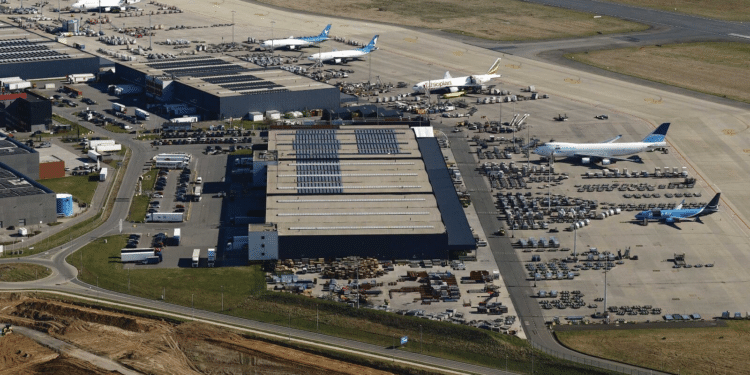
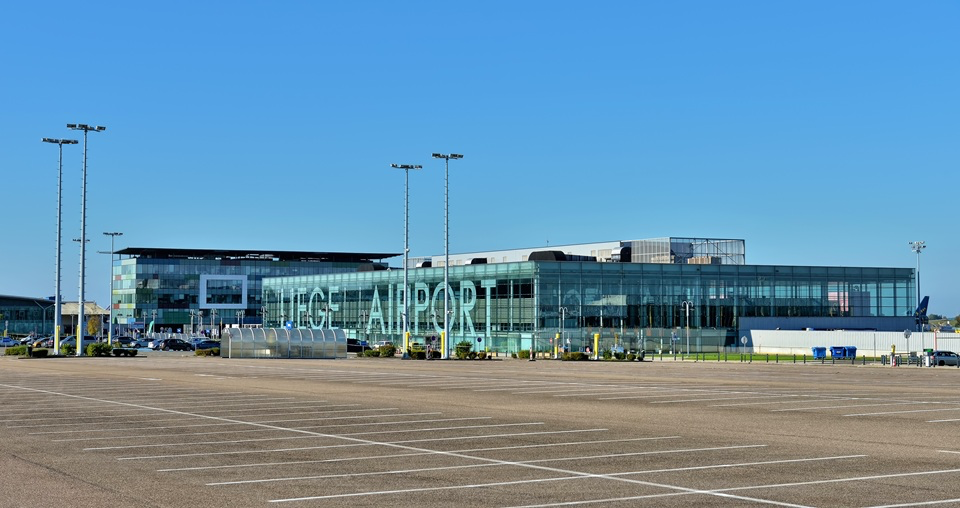
Belgium’s Liège Airport (LGG) has reported a strong first-half performance for 2026, handling 697,816 tonnes of air cargo, an 11.3% increase compared with the same period last year. The airport also recorded 14,354 cargo aircraft movements, up 3.3% year-on-year, reflecting continued demand for its specialist freight operations and growing export activity across Europe. The results reinforce Liège’s position as one of Europe’s leading cargo-focused airports.
The higher rate of cargo growth compared with aircraft movements highlights improved operational efficiency and greater aircraft utilisation across the airport’s cargo ecosystem. According to Liège Airport, stronger export demand has been a key driver of the increase, with European manufacturers increasingly using the airport as a strategic logistics gateway to global markets.
Related Post



Exports Lead the Recovery
During the first six months of the year, export volumes handled through Liège Airport rose by 19%, significantly outperforming import traffic, which increased by 6%. The strongest growth came from shipments destined for Asia, where export volumes climbed 17%, while exports to North America surged by an impressive 51%.
The export momentum became even more pronounced during the second quarter, with outbound cargo growing 18%compared with the same period in 2025, while import growth remained below 1%. Although overall cargo volumes continued to rise, the pace moderated during the second quarter, increasing 7.5%, compared with 15.6% in the first three months of the year.
Frédéric Brun, Vice President of Sales and Marketing at Liège Airport, said the figures demonstrate both operational improvements and the resilience of European exporters.
“The increase in tonnage, which is significantly higher than the growth in aircraft movements, reflects the efficiency gains achieved across the entire airport ecosystem. The strong growth in exports is also a very positive signal for Liège Airport,” Brun said.
He added that despite ongoing geopolitical uncertainty and changing global supply chains, the airport continues to strengthen its position as a strategic logistics platform connecting Europe with international markets.
“In a turbulent international environment marked by the reconfiguration of supply chains and the continued expansion of e-commerce, Liège Airport is confirming its strategic role at the heart of European and global trade.”
New EU E-Commerce Rules Create Uncertainty
While the first half of the year delivered encouraging results, Liège Airport has warned that recently introduced European Union regulations governing e-commerce imports could weigh on cargo demand during the remainder of 2026.
From 1 July 2026, the European Union introduced a €3 handling charge per imported e-commerce item, with an additional €2 processing fee expected to be implemented later this year. Airport officials believe the new charges could temporarily reduce air cargo volumes, particularly for cross-border e-commerce shipments arriving from Asia.
Liège Airport noted that similar regulatory measures introduced elsewhere have previously resulted in short-term declines in air freight volumes and shifts in logistics strategies.
According to the airport, the new rules could encourage some shippers to move lower-value e-commerce shipments from air freight to ocean freight while accelerating the establishment of fulfilment and distribution centres within Europe to reduce import costs. However, airport management stressed that it remains too early to assess the long-term impact of the legislation.
Freighter Capacity Already Showing Signs of Adjustment
Early market data suggests the regulatory changes may already be influencing cargo operations. Industry analysts at Rotate have reported a decline in European freighter capacity at the beginning of July, potentially reflecting adjustments by airlines and logistics providers in response to the new e-commerce framework. Several EU member states are also introducing their own national compliance measures and additional charges, increasing complexity for cross-border e-commerce operators.
Despite these near-term challenges, Liège Airport remains optimistic about its long-term prospects. Its continued investment in cargo infrastructure, efficient handling capabilities and strategic location at the centre of Europe’s logistics network continue to attract global airlines, freight forwarders and e-commerce operators.
As international supply chains evolve and export demand remains robust, Liège Airport is expected to maintain its role as one of Europe’s most important air cargo gateways, while closely monitoring how new regulatory measures reshape e-commerce logistics across the continent.