
EU Customs Handling Fee Set to Take Effect on 1 November as E-commerce Rules Tighten
The European Union is approaching another major change to its e-commerce import framework, with a new EU-wide customs handling fee ...

The European Union is approaching another major change to its e-commerce import framework, with a new EU-wide customs handling fee ...
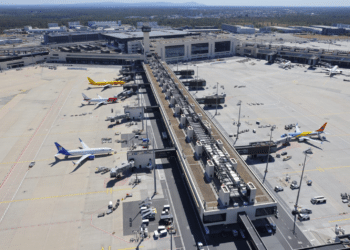
Frankfurt Airport recorded a 2.5% year-on-year increase in cargo throughput in September 2026, handling 174,773 metric tonnes of airfreight and airmail, according to traffic figures released by airport operator Fraport. The increase came despite a decline in aircraft movements. Frankfurt recorded 40,539 take-offs and landings during the month, down 3.5% compared with September 2025. Maximum take-off weights also fell by 1.2% to approximately 2.5 million metric tonnes. Cargo carried in passenger aircraft holds was a key contributor to growth. Belly-hold volumes increased by 6.6% to 72,500 tonnes, while cargo carried on dedicated freighter aircraft remained broadly stable at 102,200 tonnes, a marginal decline of 0.2%. The airport’s cargo performance reflected varied demand across international markets, with North America and several Asian, African and Latin American markets recording growth. However, lower volumes from China, Hong Kong and the Middle East weighed on selected trade lanes. Fraport’s September figures also showed a divergence between outbound and inbound flows. Cargo loadings rose by 7.0% year on year to 86,900 tonnes, while unloadings declined by 2.4% to 83,700 tonnes. Regional trade trends North America was a major contributor to September’s cargo performance. Traffic with the United States increased by 8.0%, while volumes with Canada rose by 1.0%. Outbound loadings to the US and Canada grew by 18.5% and 5.7%, respectively, although unloadings from both markets declined. Far East traffic increased by 3.2%, but performance varied across markets. Cargo volumes associated with China fell by 1.8% and Hong Kong by 7.4%. In contrast, India recorded growth of 14.9%, Taiwan 19.3%, Japan 11.2% and South Korea 3.2%. The shift towards belly-hold capacity on Far East routes continued. Belly-hold cargo rose by 12.3%, while freighter volumes slipped by 0.4%. Additional passenger services to China contributed to the increase in belly-hold capacity. Other intercontinental markets also posted strong gains. Cargo traffic with Africa rose by 22.0%, while Latin America increased by 20.5%. Mexico recorded particularly strong growth of 37.7%. Additional belly-hold capacity supported volumes associated with South Africa and Kenya. By contrast, traffic with the Middle East declined by 16.3%, reflecting continued reductions in flight capacity. Continental cargo traffic fell by 10.0%, mainly following Lufthansa Cargo’s discontinuation of its A321 converted freighter network.
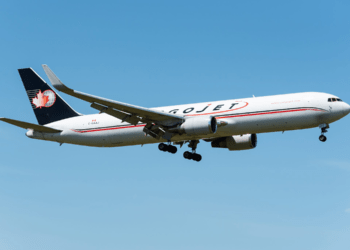
Cargojet is expanding its scheduled Canada-Europe network with a new mid-week freighter service to Liège, Belgium, adding capacity to meet ...

Launching an airline cargo operation in a new region involves considerably more than appointing a GSSA, publishing capacity and opening ...

Belgian cargo hub handles nearly 700,000 tonnes as export demand drives growth, while new EU e-commerce charges raise concerns for ...

New Slot Allocation Rules Could Strengthen Freighter Operations at Amsterdam Schiphol A new Dutch parliamentary motion aimed at increasing oversight ...

“Being entrusted with additional markets is a strong endorsement of the partnership we have built with Riyadh Cargo since its ...

dnata, a leading global air and travel services provider, is marking the next phase of its growth in Italy by ...

Finnish flag carrier Finnair delivered solid cargo and passenger growth in May 2026, demonstrating the resilience of its network and ...

In a strategic move that signals the continued evolution of air cargo beyond traditional airport-to-airport transportation, Lufthansa Cargo has officially merged its ...