
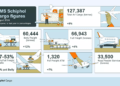
- Velana International Airport handled more than 2,000 tonnes of transshipment cargo in July 2026, marking the highest monthly volume in the airport’s history.
- Sea-to-air cargo also reached a record, with 621 tonnes processed during the month, including Velana’s first sea-to-air shipment originating in Cambodia.
- The Maldives gateway is preparing to expand cargo connectivity further, with new Raya Airways freighter services, additional seasonal frequencies and new airline routes planned for the Winter 2026/27 season.
Velana Airport reaches new cargo milestone as sea-to-air volumes surge
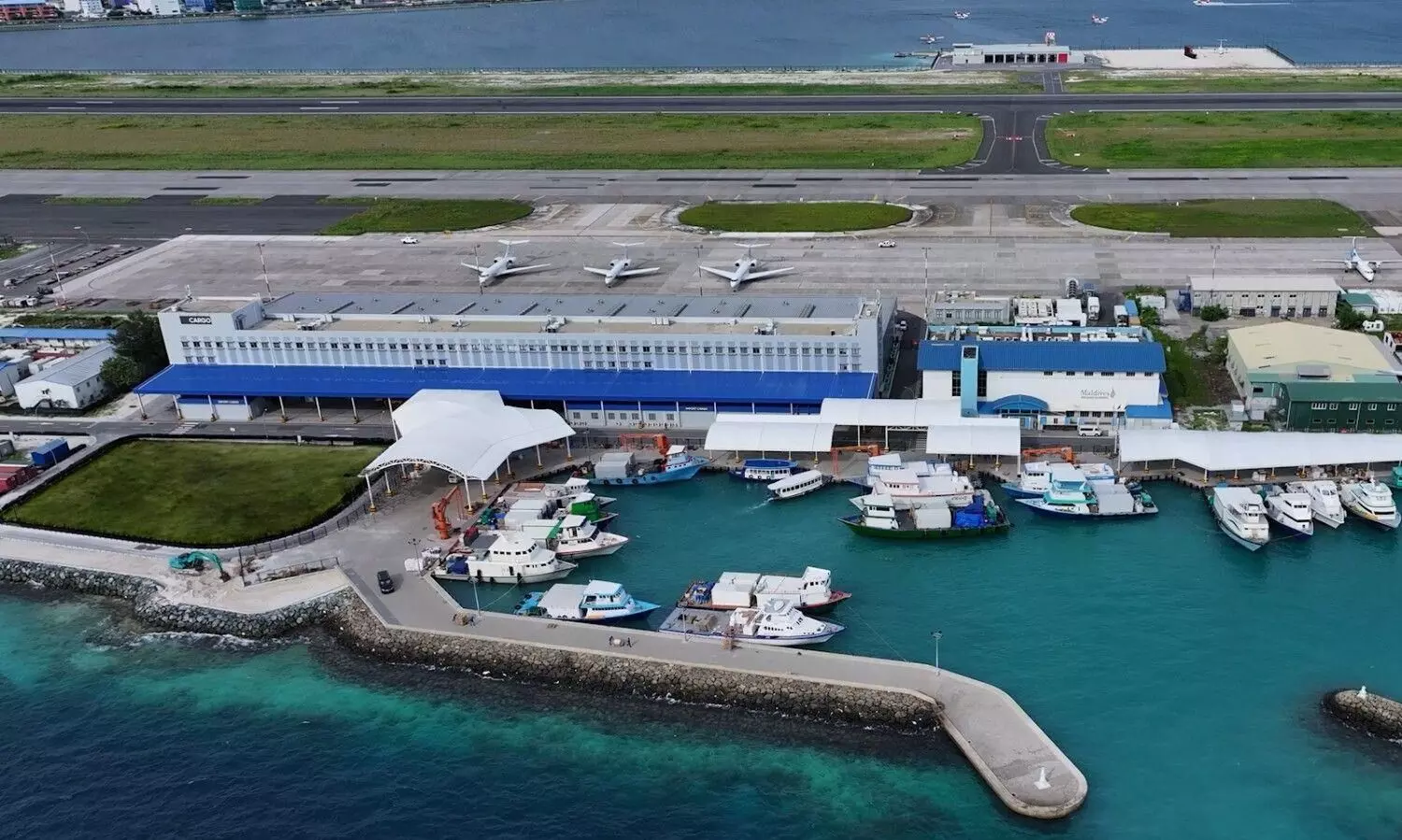
Velana International Airport (MLE) has recorded its strongest-ever month for transshipment cargo, handling more than 2,000 tonnes in July 2026 as the Maldives airport continues to develop its role as a regional multimodal freight gateway.
The July performance also marked a new monthly record for the airport’s sea-to-air (S2A) cargo operation, with 621 tonnes moved through the service.
The sea-to-air programme, launched in 2024, is designed to connect cargo arriving by sea with onward air freight services from Velana, providing shippers with an alternative to conventional end-to-end maritime transportation.

The latest figures indicate that the model is gaining traction among cargo owners seeking greater speed and connectivity into markets served by air from the Maldives.
Sea-to-air cargo reaches record 621 tonnes
Velana processed 621 tonnes of sea-to-air cargo in July, the highest monthly volume since the service was introduced two years ago.
The S2A model allows cargo arriving through maritime networks to be transferred into the air freight system at Velana, effectively combining the cost advantages of ocean transportation with the faster onward transit offered by air cargo.
The approach can be particularly relevant for shipments where the first part of the journey does not require air freight but where faster transportation is needed for the final international leg.
For an island nation such as the Maldives, the ability to integrate maritime and aviation networks is also strategically important to the development of its logistics infrastructure.
Cambodia shipment expands Southeast Asian connectivity
July brought another milestone for the programme when Velana processed its first sea-to-air cargo shipment originating from Cambodia.
The shipment expands the geographical reach of the S2A network into Southeast Asia and demonstrates the potential for Velana to function as an intermediate gateway between Asian maritime origins and international air cargo destinations.
Cambodia’s growing manufacturing and export sectors have increased demand for reliable international logistics connections, particularly for products moving to markets where transit time is commercially important.
The new origin point gives Velana an additional source of transshipment cargo while broadening routing options available to shippers in Southeast Asia.
Velana strengthens its position as a regional cargo gateway
The July results are significant not only because of the volume handled but also because they illustrate the airport’s growing role as a transshipment and multimodal logistics hub.
Velana serves as the principal international gateway to the Maldives, a market heavily dependent on international supply chains to support tourism, consumer demand and economic activity.
The airport’s location in the Indian Ocean also places it within reach of major Asian and Middle Eastern trade lanes.
Increasing transshipment volumes could allow the airport to develop a role beyond serving cargo destined directly for the Maldives, creating opportunities to connect regional freight flows through its aviation network.
More freighter capacity planned
The airport is preparing for further growth, with additional cargo capacity expected in the coming months.
Among the planned developments are new freighter services with Raya Airways, including what is expected to be the first dedicated freighter connection between Penang (PEN), Malaysia, and Velana International Airport.
The proposed route would establish another direct cargo connection between the Maldives and a major Southeast Asian logistics and manufacturing centre.
Penang is an important regional hub for electronics, semiconductors, manufacturing and international trade, potentially providing Velana with access to a broader range of high-value and time-sensitive cargo.
The introduction of dedicated freighter capacity could also provide greater schedule reliability compared with reliance solely on passenger aircraft belly capacity.
Seasonal frequencies expected to increase
Velana also expects seasonal carriers to increase flight frequencies in the coming months.
The airport is additionally preparing for new airline and route launches during the Winter 2026/27 season.
Further details on the planned services are expected to be announced later.
Additional passenger frequencies can also have an impact on air cargo capacity because widebody and other passenger aircraft provide belly-hold space for freight.
For the Maldives, where international passenger traffic is closely linked to tourism, seasonal increases in aviation activity can therefore create additional opportunities for cargo connectivity.
Cargo terminal technology upgrade planned
Velana is also preparing to introduce Explosive Detection System (EDS) machines at its cargo terminal during the Winter 2026/27 season.
The planned equipment is intended to improve cargo-screening efficiency and reduce processing and turnaround times.
Security screening is an essential component of international air cargo operations, but it can also become a bottleneck if cargo volumes increase faster than processing capacity.
The installation of additional screening technology could therefore help Velana accommodate higher cargo volumes while maintaining operational efficiency.
For freight forwarders and airlines, shorter processing times can contribute to more predictable cargo acceptance and aircraft turnaround.
Multimodal strategy gains momentum
The latest milestones highlight Velana’s broader effort to develop multimodal cargo connectivity rather than relying exclusively on conventional air freight.
The sea-to-air model is particularly relevant to the airport’s geographic position.
Cargo originating in Asian markets can move by sea for part of its journey before being transferred to air services at Velana, allowing shippers to tailor transportation according to cost and delivery requirements.
The addition of Cambodia as a sea-to-air origin suggests that the network is beginning to extend beyond its initial trade lanes.
Further Asian origins could potentially be added as demand grows and airlines provide additional capacity.
Record volumes point to growing demand
The more than 2,000 tonnes of transshipment cargo recorded in July represents a significant milestone for Velana’s cargo operation.
Combined with the 621-tonne S2A record, the figures suggest that the airport’s role in regional freight movements is expanding.
The airport expects customers to benefit from greater connectivity and additional routing options as new services and capacity are introduced.
For freight forwarders, the development could provide additional choices when designing routes between Asian origins and international destinations.
Penang connection could open new cargo opportunities
The planned Penang-Velana freighter service could be particularly significant for the airport’s regional cargo ambitions.
Penang is one of Malaysia’s most important manufacturing centres and has strong links to electronics, electrical equipment, medical devices and other international supply chains.
A direct freighter link would provide a dedicated cargo connection between the two locations and could support both import and export flows.
It could also complement Velana’s existing sea-to-air strategy by providing another Southeast Asian origin for cargo entering the airport’s transshipment network.
Building a more efficient cargo ecosystem
The combination of increased transshipment volumes, new freighter services, additional airline capacity and planned cargo-terminal technology upgrades indicates that Velana is preparing its infrastructure for continued growth.
The airport’s objective extends beyond simply increasing tonnage.
Greater screening capacity, shorter processing times and more diverse airline connections can make the overall cargo operation more attractive to airlines, freight forwarders and logistics companies.
For a relatively small island market, developing such infrastructure can help maximise the value of its geographic position between major Asian and international trade lanes.
A growing Indian Ocean cargo gateway
Velana’s July performance reinforces the airport’s ambitions to become a more significant cargo gateway in the Indian Ocean region.
The record transshipment volume and sea-to-air performance come as the airport prepares to add new cargo routes and improve its terminal capabilities.
The first Cambodia-origin sea-to-air shipment provides evidence of the network’s expanding geographical reach, while the planned Penang freighter service could further strengthen Southeast Asian connectivity.
As more airlines and logistics providers participate in the network, Velana could increasingly serve as a multimodal bridge between maritime cargo flows in Asia and international air freight markets.
The combination of sea-to-air services, dedicated freighter operations, passenger capacity and improved cargo-processing technology provides the airport with several avenues for continued growth as it moves into the second half of 2026 and the Winter 2026/27 season.