
Turkish Airlines has posted a significant increase in air freight performance to kick off 2026, with cargo and mail volumes rising 18.8 percent year‑on‑year in January, reinforcing the airline’s strategic emphasis on air cargo as a core business pillar.
According to figures published by Turkish Airlines and Turkish Cargo, the group transported 178,300 tonnes of cargo and mail in January, up sharply from the same period last year. The results encompass operations from both the mainline carrier and its low‑cost subsidiary, AJet, underscoring the contribution of an expanded network and diversified fleet to overall freight throughput.
Capacity Growth Lifts Freight Performance
Related Post

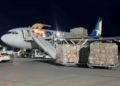
While passenger traffic led the airline’s broader growth trajectory, capacity expansion has been a key enabler of improved cargo results. Turkish Airlines reported a 10 percent year‑on‑year increase in Available Seat Kilometres (ASK) to 23.7 billion, reflecting network extension and additional frequencies into strategic markets.
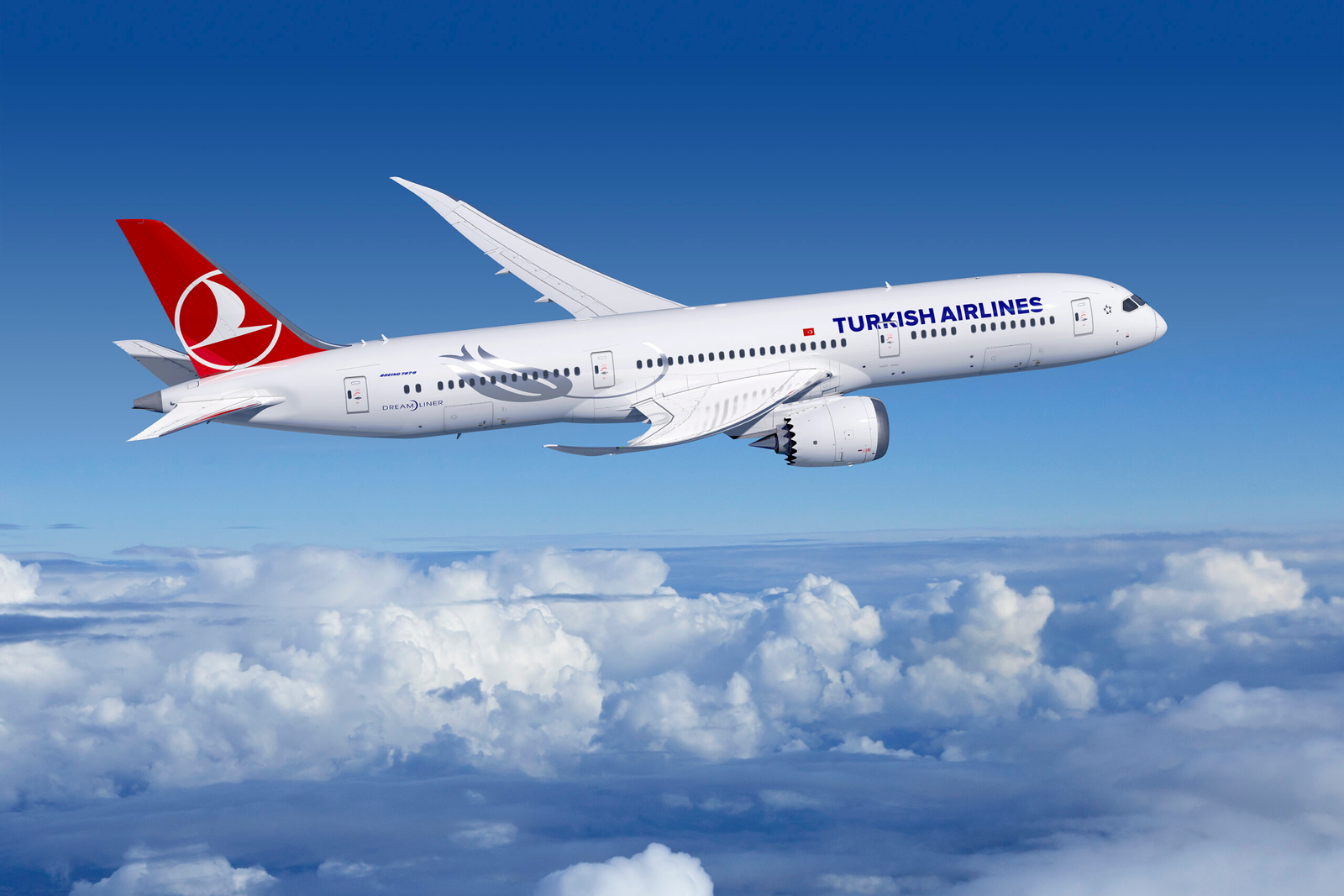
At the end of January, the carrier operated a fleet of 522 aircraft, with a substantial proportion of widebody types that deliver significant bellyhold cargo capacity. This asset mix supports a hybrid model of dedicated freighter operations—under the Turkish Cargo brand—and utilisation of belly space on passenger services, effectively broadening cargo lift capabilities across global lanes.
Istanbul Hub Strength Continues to Underpin Cargo Connectivity
Central to Turkish Airlines’ cargo strategy is its hub in Istanbul, which continues to facilitate strong international‑to‑international traffic flows. Passenger connectivity data showed a 10.8 percent year‑on‑year increase in international connecting traffic in January, suggesting sustained activity on long‑haul routes that also benefits freight connectivity.
The Istanbul hub’s geographic advantage—bridging Europe, Asia and the Middle East—remains a distinct competitive strength, enabling Turkish Cargo to serve high‑demand trade corridors and capture diversified cargo flows. This structural position allows the carrier to integrate traditional markets with emerging sources of demand, providing flexibility and resilience amid ongoing global supply chain shifts.
Strategic Focus on Cargo Growth
In recent years, Turkish Airlines has elevated cargo as a core strategic pillar, investing in infrastructure, digitalisation and network connectivity to support the freight business. The January results point to the early outcomes of these efforts, with growth outpacing broader market trends and signalling robust demand at the outset of the year.
Turkish Cargo has also emphasised customer service enhancements and product innovation to differentiate its offerings in a competitive airfreight landscape, with value‑added services across perishables, pharmaceuticals and express logistics.
Looking Ahead
As global air cargo markets navigate headwinds related to economic uncertainty and supply chain realignment, Turkish Airlines’ strong January performance illustrates the potential advantages of a diversified network and integrated belly‑plus‑freighter model. With continued emphasis on network optimisation and capacity management, the airline is well‑positioned to support evolving customer needs and capture growth opportunities across key international corridors.