

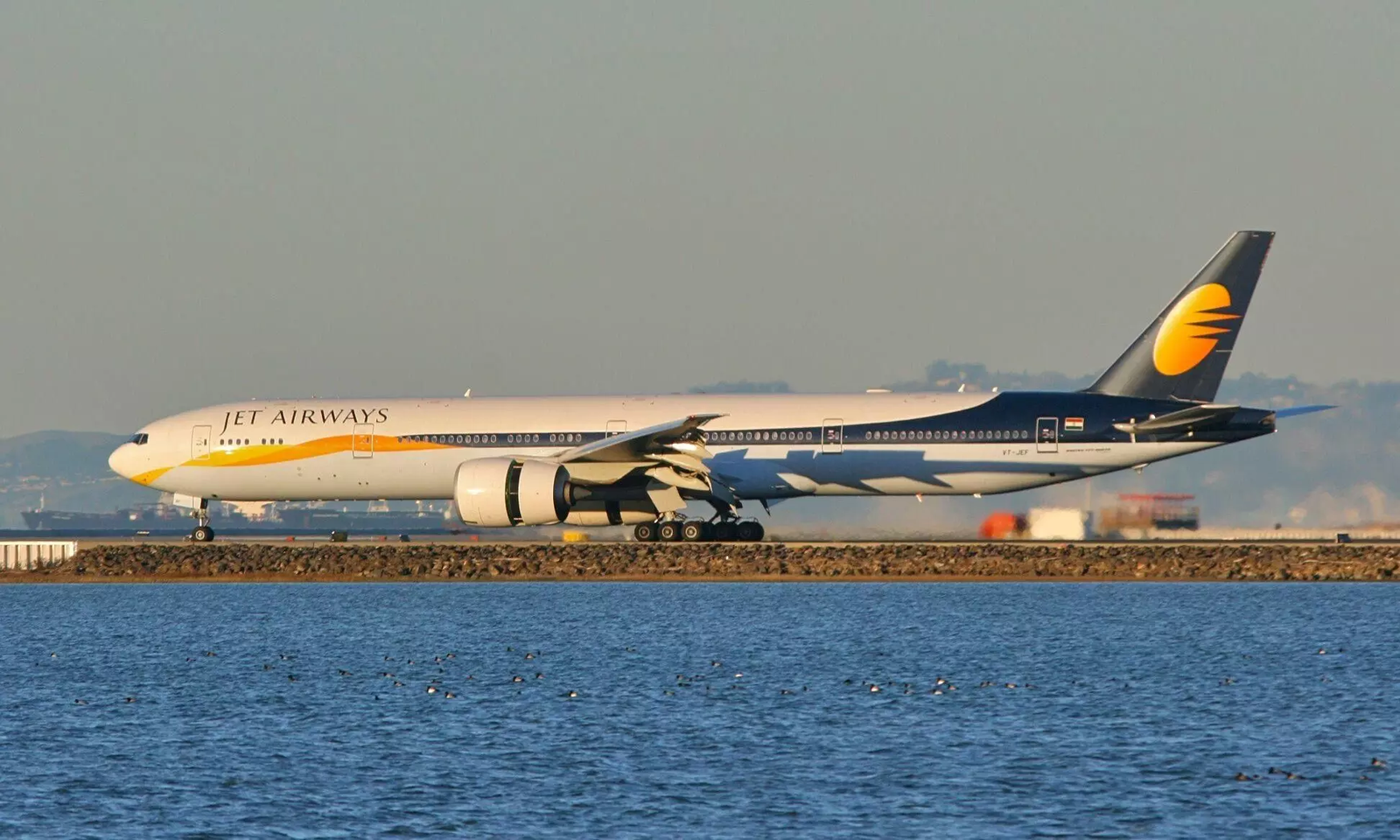
Jet Airways, the once‑major Indian carrier now in liquidation, has completed the sale of three Boeing 777 aircraft and their engines to Ace Aviation, a Malta‑based subsidiary of the Challenge Group, for a combined transaction value of USD 46 million. The sale, formalised on February 11, 2026, forms part of Jet Airways’ ongoing insolvency proceedings under India’s Insolvency and Bankruptcy Code (IBC), with the agreement structured through the airline’s appointed resolution professionals and sanctioned by the National Company Law Tribunal (NCLT) after consultation with the Stakeholders’ Consultation Committee, according to regulatory filings on the BSE and NSE.
The three frames — MSN 35159 (VT‑JES), MSN 35158 (VT‑JEV) and MSN 35162 (VT‑JEM) — were transferred to Ace Aviation along with their respective powerplants. The transaction marks a significant milestone in Jet Airways’ efforts to monetise assets and satisfy creditor claims as its insolvency resolution process continues.
History of the Transaction and Strategic Intent
Related Post




Challenge Group, a diversified aviation and logistics conglomerate, had initially bid for the same Boeing 777 aircraft in 2022 with a plan to convert them into dedicated freighters. At that time, the group submitted a deposit of USD 5.6 million, including a USD 4.6 million Earnest Money Deposit (EMD) for the three aircraft parked at Mumbai’s Chhatrapati Shivaji Maharaj International Airport, plus USD 1 million as token money for two additional Boeing 777 jets located in Delhi. Although the earlier acquisition was blocked due to procedural or regulatory hurdles, the renewed agreement now completes the intended transfer.
The Challenge Group has been exploring aftermarket transformation of these widebody jets for the cargo market, with discussions reportedly held with Israel Aerospace Industries (IAI) on the Boeing 777‑300 Extended Range Special Freighter (ERSF) conversion programme. Also referred to as the “Big Twin,” the ERSF conversion is tailored specifically for the Boeing 777‑300ER platform, equipping the aircraft with a reinforced floor, large cargo door and systems optimised for freight operations. If realised, these modified freighters could cater to expanding demand among global integrators and charter operators seeking high‑capacity long‑haul lift.
Industry Context and Asset Valuation
The sale reflects broader dynamics in the aviation sector’s post‑pandemic asset market, where passenger carriers facing financial distress have been divesting widebody frames into cargo conversion pipelines. As passenger travel rebounds and freight demand remains robust in select markets, converted widebodies increasingly appeal to lessors and operators seeking efficient long‑range freighter platforms.
At an agreed value of USD 46 million, the transaction also underscores the pricing pressures and asset valuation trends prevailing in the secondary market for used widebody jets. The inclusion of engines in the sale is notable, given the relative scarcity and high replacement value of mature‑cycle GE or Rolls‑Royce engines suitable for Boeing 777 variants.
For Jet Airways, which entered insolvency proceedings following the cessation of operations in 2019 and a prolonged restructuring process, the sale represents a crucial step in unlocking value for creditors. Transaction proceeds will be directed in accordance with the statutory priority framework under the IBC, as part of ongoing efforts to resolve legacy obligations and conclude the airline’s liquidation estate.
Looking Ahead
With the aircraft now poised for conversion and redeployment under Challenge Group’s strategic plan, attention will turn to geopolitical and commercial conditions shaping global air cargo demand. Converted Boeing 777 freighters are anticipated to play an expanding role in transcontinental cargo services, particularly on routes linking Asia, Europe and the Americas.
As asset monetisation continues across Jet Airways’ remaining fleet and ancillary holdings, the cargo conversions may also serve as a bellwether for how distressed aviation assets are reabsorbed into growth segments of the air transport industry.