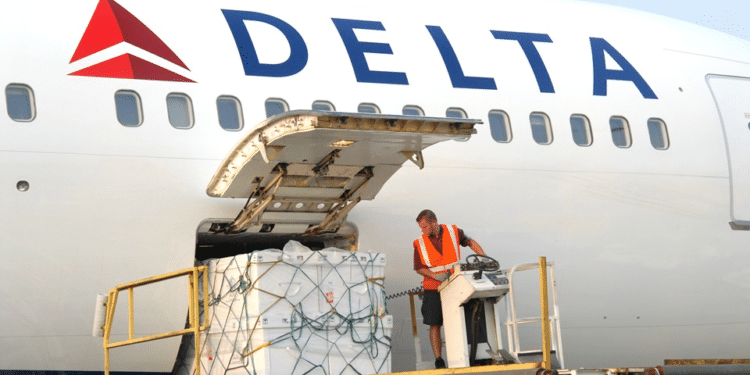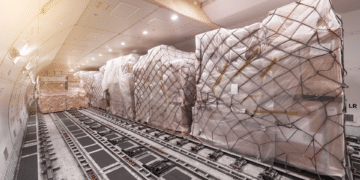


The annual Valentine’s Day flower rush has triggered a sharp rise in dedicated freighter activity out of Colombia and Ecuador, with charter capacity surging at the region’s two primary export gateways — Bogotá and Quito.
New data from consultancy Aevean shows that charter aircraft accounted for just 19% of total cargo capacity at the two airports in week one of 2026. By week six, as Valentine’s Day demand accelerated, that figure had climbed dramatically to 45%, underlining the extent to which airlines and forwarders relied on ad hoc lift to meet peak-season requirements.
The figures also point to broader market expansion beyond the shift toward charters. Overall weekly cargo capacity from Bogotá and Quito rose 16% year on year by week six, reaching 30,000 tonnes. In contrast, week one had registered a modest 1% year-on-year increase, illustrating how rapidly demand intensified as the February 14 holiday approached.
Related Post



Avianca Cargo Reports Five-Year High
The spike in capacity was mirrored in strong operational results from Colombia-based Avianca Cargo, which described this year’s Valentine’s season as its strongest in half a decade.
Over the 22-day peak period, the carrier transported more than 19,000 tonnes of flowers — a 6% increase compared with the previous year and its highest Valentine’s volume in five years. To support the surge, Avianca operated nearly 320 dedicated cargo flights, moving fresh-cut flowers from farms in Colombia and Ecuador to key US gateways including Miami and Los Angeles.
The airline said it scaled up resources significantly to manage the spike in perishables traffic. Workforce levels were increased by more than 30%, while cargo capacity from Colombia was doubled and capacity from Ecuador was tripled during the peak window.
LATAM Cargo Maintains Strong Volumes
Rival operator LATAM Cargo also reported robust Valentine’s performance, transporting 24,300 tonnes of flowers from Colombia and Ecuador to destinations across the United States and Europe. Although slightly below the 25,000 tonnes reported in 2025, the figures confirm the continued strength of the Andean flower export market.
Of LATAM Cargo’s total volume, approximately 12,000 tonnes originated in Ecuador, while more than 12,300 tonnes were shipped from Colombia. The group deployed around 430 flights from Bogotá, Medellín and Quito, highlighting the scale and logistical complexity of the seasonal operation.
Charter Capacity Proves Critical
The sharp increase in charter deployment underscores the structural importance of flexible lift during perishables peaks. With flower exports tightly concentrated around Valentine’s Day, Mother’s Day and other seasonal events, airlines and logistics providers must rapidly scale capacity to preserve product freshness and meet retailer deadlines in North America and Europe.
This year’s data from Bogotá and Quito illustrates how quickly the market can pivot: from marginal year-on-year growth at the start of January to double-digit expansion and near-dominance of charter capacity within a matter of weeks. For carriers operating in the Andean perishables trade, the Valentine’s rush remains one of the most commercially significant windows of the year.