

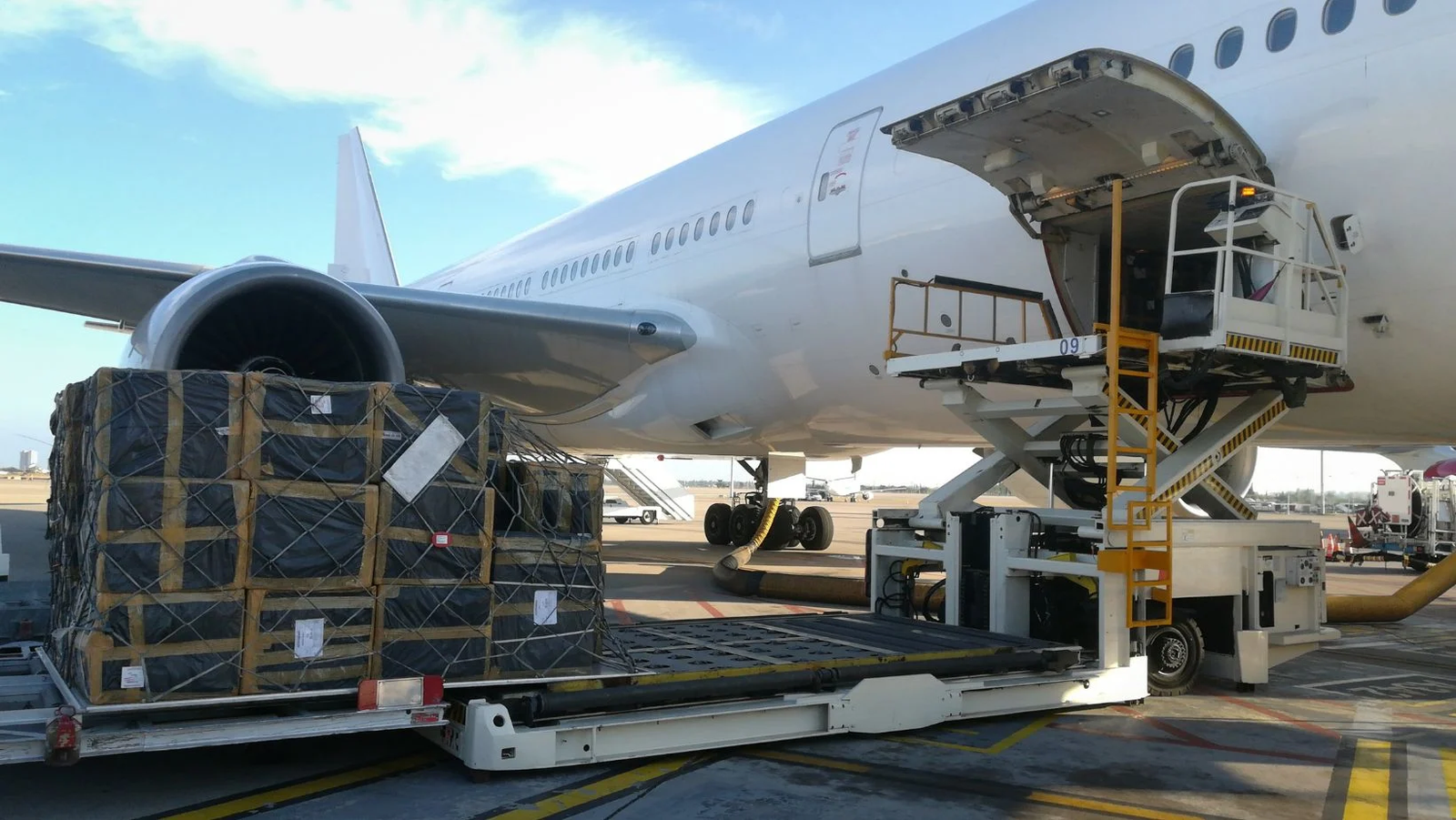
Global airfreight markets recorded a notable upswing in pricing during March 2026, with industry data indicating sustained rate increases across key trade lanes and expectations of further upward pressure in the months ahead.
According to the latest figures from the TAC Index, average rates paid by forwarders—including spot, contract, and surcharge components—on services from Hong Kong to Europe rose 13.2% year on year to USD 4.97 per kilogram. The increase was driven by a combination of geopolitical disruption, reduced capacity, and sharply higher jet fuel costs following the escalation of conflict involving the US and Iran and associated airspace closures.
By contrast, rates from Hong Kong to North America declined 3.4% year on year to an average of USD 5.11 per kilogram over the same period. However, market sources noted that pricing momentum strengthened toward the end of March, with spot levels exceeding year-ago benchmarks in the final weeks of the month.
Related Post




The broader market trend was reflected in the Baltic Air Freight Index, which rose 9.4% over the four-week period ending March 30 and stood approximately 10% higher year on year, based on TAC Index data.
Neil Wilson, Editor at TAC Index, highlighted that underlying conditions across several major trade corridors suggest even stronger upward pressure is emerging. He noted that rates on Asia–Europe lanes in particular have surged significantly, while jet fuel prices have more than doubled, creating a cost environment that is likely to sustain higher pricing levels.
Data extending into early April shows the momentum accelerating further, with the four-week increase reaching 25.2% and year-on-year growth climbing to 15.8%, bringing overall pricing levels close to typical peak-season conditions.
TAC Index also indicated that spot market rates are likely to be even higher than reported averages, as many contracted agreements were established prior to the outbreak of regional hostilities and subsequent capacity disruptions.
Regional analysis shows that several Asian export markets, including India, Vietnam, and Thailand, experienced sharper rate increases during March. These markets, which are more heavily reliant on spot pricing mechanisms, were particularly sensitive to sudden shifts in capacity availability and routing constraints.
In contrast, markets such as South Korea and Taiwan—already experiencing elevated pricing due to strong demand for semiconductor and AI-related shipments—saw more moderate increases, as they were less directly impacted by Middle East-related disruptions.
The air cargo sector initially faced a significant capacity shock following the escalation of conflict, which resulted in an estimated 20% reduction in global capacity. Major Middle Eastern carriers, including Emirates, Qatar Airways, and Etihad Airways, were forced to adjust operations, contributing to widespread network rerouting.
While capacity has since partially recovered, current estimates suggest a remaining shortfall of approximately 3–5%, as airlines continue to adapt routings away from affected airspace corridors. A temporary ceasefire agreement has provided some stabilisation, though market participants caution that structural recovery remains incomplete.
At the same time, fuel costs continue to exert upward pressure on the market. Data referenced from Platts indicates that jet fuel prices have more than doubled since the beginning of March, significantly increasing operating costs for carriers. Industry observers warn that it may take several months for airfreight operations to fully stabilise as networks adjust to the new cost and capacity environment.
Overall, the March performance underscores a market entering a more inflationary phase, shaped by geopolitical uncertainty, constrained capacity, and rising input costs, with further volatility expected in the short term.