
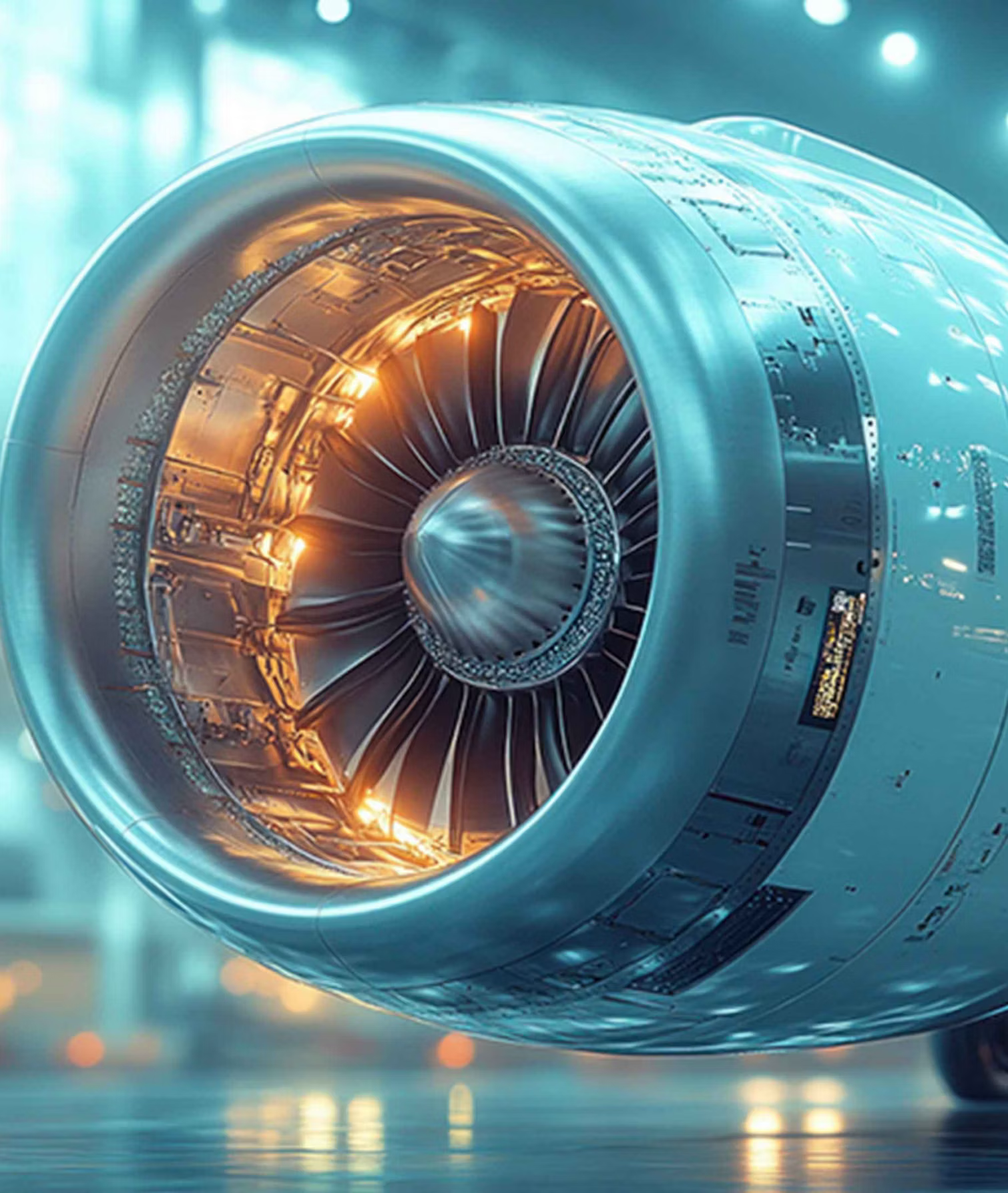
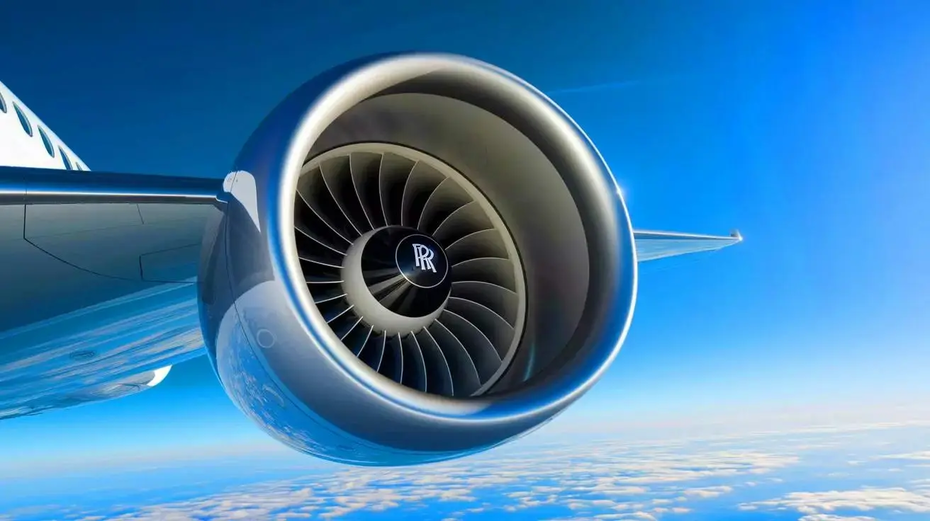
Tata Consultancy Services (TCS) and Rolls-Royce have demonstrated the operation of a modern aero gas turbine using 100% hydrogen across a fully simulated flight cycle, marking a significant step in the development of hydrogen propulsion for aviation.
The test incorporated simulated take-off, cruise and landing conditions and was designed to evaluate the performance of hydrogen across key propulsion systems, including combustion, fuel delivery and engine controls.
The demonstration forms part of a four-year hydrogen propulsion programme originally announced by Rolls-Royce and easyJet in 2022. TCS joined the programme in 2024 as an engineering and technology partner, contributing expertise in systems integration, testing, validation and digital engineering.
Related Post



The companies said the latest demonstration provides further evidence that gas turbine technology could have a role in future hydrogen-powered aviation, although substantial development, infrastructure and certification work remains before hydrogen-powered commercial aircraft can enter service.
Full flight-cycle hydrogen test
The modified aero gas turbine completed a simulated flight cycle while operating exclusively on hydrogen.
The testing was intended to replicate the different operating conditions an aircraft engine experiences during a flight, allowing engineers to assess hydrogen combustion and the interaction between the fuel system and engine controls across changing power requirements.
The programme also generated data intended to support the development of future propulsion technologies.
Adam Newman, chief engineer of the Hydrogen Demonstrator Programme at Rolls-Royce, said the test had provided important insights into the behaviour of hydrogen in a modern aero gas turbine.
“The programme marks an important milestone in our journey towards more sustainable aviation,” Newman said.
He added that the staged testing programme had helped validate combustion, fuel and control-system technologies and would contribute to future propulsion developments, including Rolls-Royce’s UltraFan technology.
TCS supports engineering and validation
TCS joined the Rolls-Royce programme in 2024 and has supported several areas of the hydrogen demonstrator’s development.
Its work has included fuel-system and engine-controls integration, hydrogen combustion analysis, test preparation, validation, data analytics, risk management and detailed engineering design.
The collaboration combines Rolls-Royce’s engine-development expertise with TCS’s engineering, systems and software capabilities.
Anupam Singhal, president of Manufacturing at TCS, said the demonstration showed how engineering and digital capabilities could be combined to accelerate the development of emerging propulsion technologies.
“At TCS, we are proud to support Rolls-Royce in accelerating hydrogen propulsion through integrated engineering, systems, and software expertise,” Singhal said.
He described the test as a step towards translating hydrogen aviation concepts into practical propulsion technology.
Hydrogen’s potential and remaining challenges
Hydrogen is being investigated as a potential aviation fuel because its combustion does not produce carbon dioxide at the aircraft engine itself. However, the overall environmental benefit depends heavily on how the hydrogen is produced, transported and supplied.
TCS’s own aerospace sustainability research identifies hydrogen-based propulsion alongside sustainable aviation fuel and electric propulsion as potential pathways towards aviation’s long-term emissions goals, while noting the significant technological, economic and infrastructure challenges that remain.
Hydrogen combustion also presents engineering challenges that differ from conventional aviation fuels, including fuel storage, delivery, combustion characteristics and emissions management.
The Rolls-Royce programme is therefore focused not simply on demonstrating that hydrogen can burn in a gas turbine, but on understanding how the fuel interacts with the complete propulsion system under representative operating conditions.
The latest test is expected to provide engineering data for subsequent development and help inform future engine architectures.
Implications for future aircraft
The demonstration was carried out with contributions from a wider group of aviation and safety partners, including easyJet, NASA and the UK Health and Safety Executive.
For Rolls-Royce, the work forms part of a broader programme investigating technologies that could contribute to lower-carbon aviation, including the company’s next-generation UltraFan engine architecture.
TCS has been expanding its involvement in sustainable aerospace engineering and previously identified its Rolls-Royce partnership as an effort to advance hydrogen fuel-system technology and address challenges involving combustion, fuel delivery and engine integration.
The companies said the knowledge generated by the programme will support future propulsion innovation and contribute to the aviation industry’s longer-term transition towards lower-carbon flight.
While the test does not mean that commercial hydrogen-powered aircraft are ready for service, operating an aero gas turbine on 100% hydrogen through a simulated flight cycle represents an important engineering demonstration.
The next challenge will be translating those test results into propulsion systems, aircraft designs, fuel infrastructure and certification frameworks capable of supporting commercial hydrogen aviation at scale.