
Plans to launch Kazakhstan’s first national cargo airline have entered a new phase of political scrutiny after President Kassym-Jomart Tokayev publicly questioned aspects of the government’s implementation strategy, signalling that the flagship logistics project could undergo structural and governance changes before its expected launch.
The proposed cargo carrier, first announced in mid-2025, is designed to strengthen Kazakhstan’s role as a strategic Eurasian logistics hub by capturing a larger share of growing air freight flows between Asia and Europe. However, recent presidential comments indicate mounting concerns within the government over bureaucratic delays, organisational structure, and the broader competitiveness of the country’s aviation sector.
A Strategic Cargo Initiative
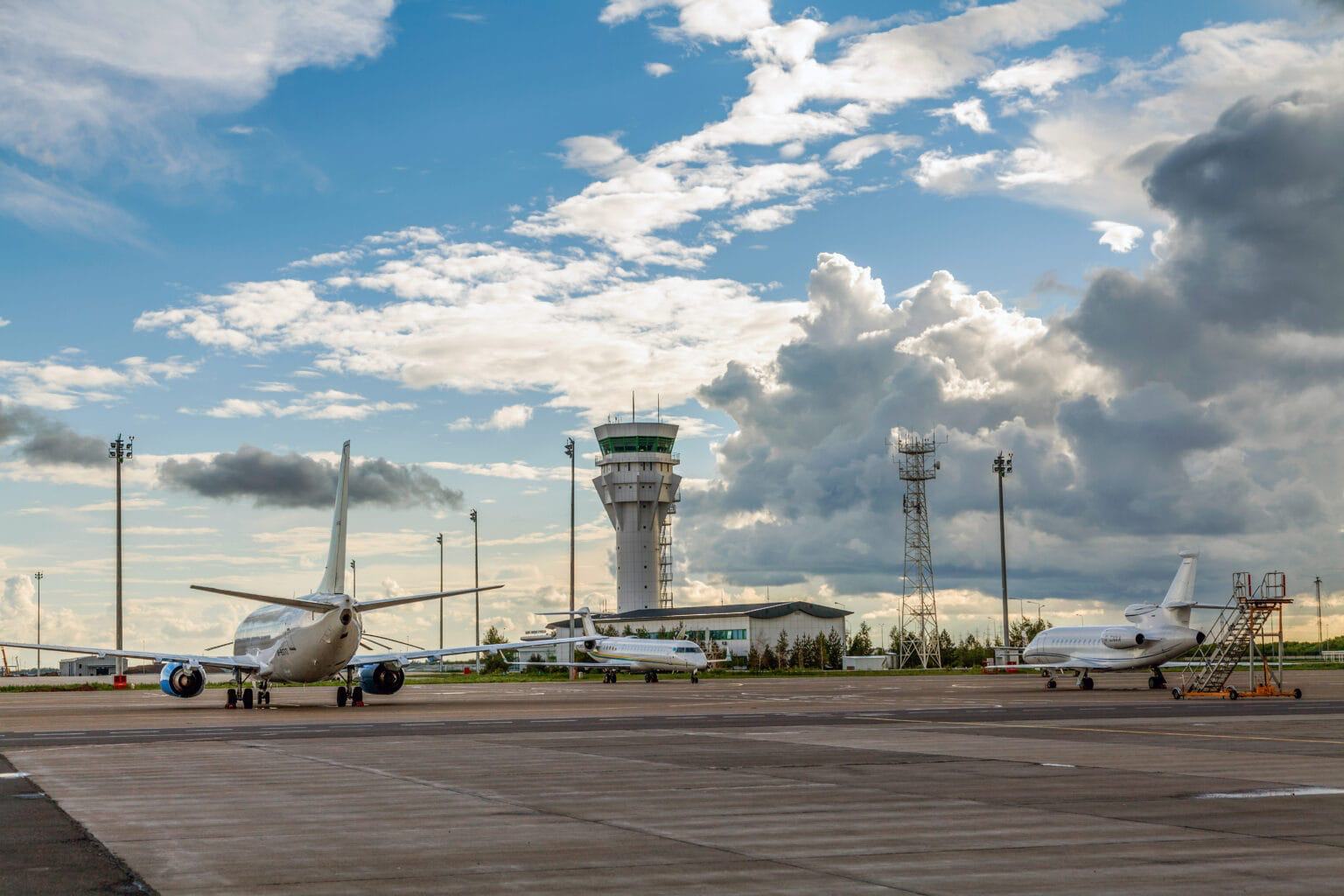
Under the initial plan, Kazakhstan’s first state-branded cargo airline was scheduled to begin operations in early 2026 with an initial fleet of three leased freighter aircraft. Over time, the fleet could expand to around ten aircraft as demand grows and network routes develop across Europe, Asia and the Middle East.
The project forms part of a broader national logistics strategy aimed at integrating air freight capacity with Kazakhstan’s expanding rail and road networks. The initiative has been closely linked to the country’s state-owned logistics ecosystem, led by sovereign wealth fund Samruk-Kazyna and logistics operator KTZ Express, a subsidiary of the national railway company Kazakhstan Temir Zholy.
Under this framework, the cargo airline would function as a state-backed carrier closely aligned with the country’s multimodal transport infrastructure, connecting rail corridors, inland logistics hubs and international airports to create an integrated freight network.
Presidential Criticism and Policy Reassessment
In recent weeks, President Tokayev has adopted a more critical tone regarding the pace and structure of the project. During several high-level government meetings on logistics and aviation policy in late 2025, he emphasised that while the cargo airline remains strategically important, bureaucratic delays and regulatory constraints risk undermining Kazakhstan’s competitive position as a transit hub.
According to officials familiar with the discussions, Tokayev has urged policymakers to reconsider the current model that places the airline largely under the railway system’s management. Instead, he has suggested exploring greater private-sector participation or the creation of a public-private partnership structure.
Such a shift would represent a significant departure from earlier planning, which relied heavily on state-owned logistics infrastructure and governance structures.
Although no formal policy change has yet been announced, the president’s remarks suggest that the government may be preparing to open the project to external investment and operational expertise in order to accelerate development and enhance global competitiveness.
Aviation Fuel Reform Underway
The debate surrounding the national cargo airline has also drawn attention to structural issues affecting Kazakhstan’s aviation sector, particularly the cost of jet fuel.
President Tokayev has criticised aviation fuel prices in Kazakhstan for being higher than those in neighbouring countries, arguing that the discrepancy weakens the country’s attractiveness as a transit hub for international cargo carriers.
In response, the Ministry of Energy of Kazakhstan has pledged to lower aviation fuel costs. Recent industry reports indicate that the “into-wing” price of jet fuel at Kazakh airports has already been reduced—from roughly US$1,200 per tonne to about US$940—with further adjustments under discussion.
The price reduction aims to improve the competitiveness of airports in cities such as Astana and Almaty as regional cargo transit hubs, encouraging international airlines and logistics companies to route freight through Kazakhstan.
Balancing State Strategy and Market Reform
The evolving discussion reflects broader economic policy debates within Kazakhstan over the balance between state-led infrastructure development and market-oriented reforms.
For President Tokayev, the cargo airline remains a key component of a long-term strategy to transform the country into a major multimodal logistics bridge between Europe and Asia. By integrating rail corridors, road freight routes and air cargo networks, the government aims to capture a significantly larger share of transcontinental freight traffic by 2040.
However, the president’s recent comments highlight growing impatience with bureaucratic inertia and signal an increasing willingness to introduce private capital and international expertise into strategic infrastructure projects.
If the government ultimately opts for a public-private partnership or a partially privatised governance model for the cargo airline, it would mark a notable shift in Kazakhstan’s approach to developing large-scale transport initiatives—potentially reshaping the country’s logistics sector and opening new opportunities for global cargo operators and investors.