
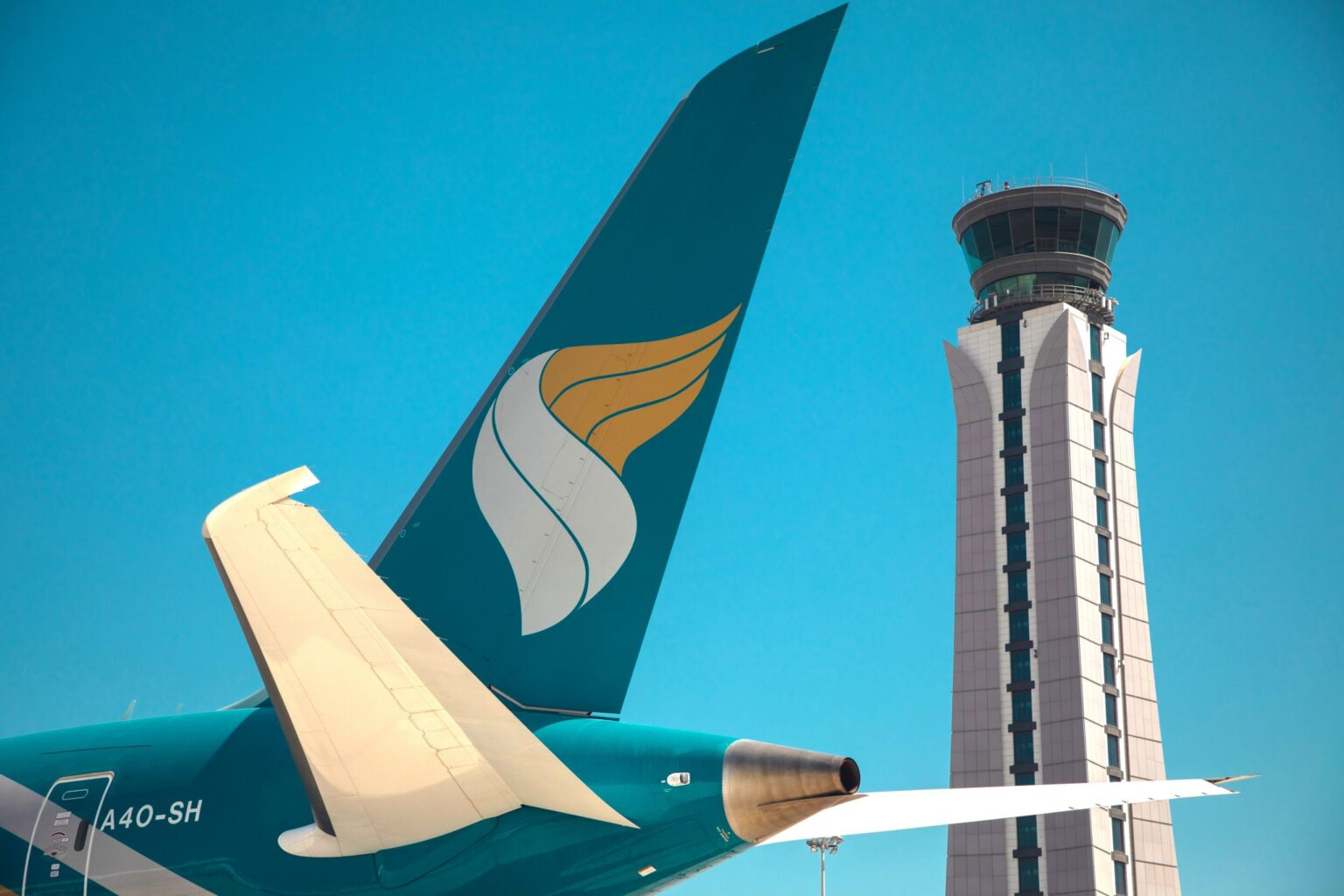
Oman Air Cargo is sharpening its competitive position in the global air freight market through a targeted strategy centred on agility, customer engagement and specialised cargo segments, as the carrier seeks to strengthen its role within the evolving logistics landscape of the Middle East.
Operating from its hub at Muscat International Airport, the cargo division of Oman Air is focusing on high-value and time-sensitive cargo flows, enhanced customer relationships and selective network expansion to improve profitability and operational efficiency.
A focused approach in a competitive market
Rather than attempting to compete directly with larger Gulf cargo operators, Oman Air Cargo is positioning itself as a nimble boutique carrier, leveraging its size and flexibility to respond quickly to market demands.
A central pillar of the strategy involves closer engagement with customers and global sales partners, including strengthening relationships with general sales agents (GSAs) and introducing dedicated regional sales leadership in key markets. This targeted commercial structure aims to deliver more consistent customer interaction and improve the airline’s ability to respond to evolving logistics requirements.
Industry executives note that maintaining direct communication with freight forwarders and shippers is a major advantage for smaller operators, enabling them to tailor solutions and maintain a high level of service reliability.
Targeting high-yield cargo segments
Another key element of the strategy is the optimisation of existing cargo infrastructure, particularly specialised facilities designed for temperature-sensitive shipments.
Oman Air Cargo is increasingly targeting pharmaceutical products, perishables and other time-critical goods, sectors that typically generate higher yields and require advanced handling capabilities.
The airline’s cargo hub in Muscat includes temperature-controlled handling zones, allowing it to accommodate sensitive cargo such as fresh produce, flowers, medical supplies and other pharmaceutical shipments.
By focusing on these specialised segments, the carrier aims to improve its cargo revenue mix while making better use of available infrastructure.
Strategic network expansion
Network development also forms part of the airline’s targeted growth strategy, with new routes designed to enhance cargo connectivity between key global markets.
One example is the planned Muscat–Singapore service, which will operate multiple weekly flights and provide additional bellyhold capacity linking the Middle East with Southeast Asia. The route is expected to support shipments of consumer electronics, technology products and other high-value cargo, while also facilitating exports of Omani perishables.
Singapore’s role as a major logistics hub will allow cargo to connect onward across the Asia-Pacific region, strengthening Oman Air Cargo’s participation in global supply chains.
The airline is also expanding its reach into Africa through routes such as Muscat–Kigali, designed to support exports of fresh agricultural products and other time-sensitive goods from East Africa to international markets via Oman.
Digital transformation and operational efficiency
Alongside network and market development, Oman Air Cargo is investing in digital tools to improve operational efficiency and revenue management.
Through a strategic partnership with Revenue Technology Services (RTS), the airline is implementing advanced systems to automate pricing, optimise capacity utilisation and enhance revenue planning.
These solutions incorporate data-driven analytics and dynamic pricing capabilities, enabling the carrier to make more informed commercial decisions and maximise the value of its available cargo capacity.
Supporting Oman’s aviation and logistics ambitions
Oman Air Cargo’s strategy aligns with the broader national vision to transform the country into a regional logistics and aviation hub, supporting economic diversification under Oman’s long-term development agenda.
Oman’s aviation authorities have set ambitious targets to significantly expand passenger and cargo volumes by 2040, backed by major infrastructure investments and policy reforms aimed at strengthening the country’s position within global trade networks.
Leveraging Muscat’s strategic geographic location between Asia, Europe and Africa, the airline is positioning itself as a reliable transit point for intercontinental cargo flows, particularly for specialised shipments that require fast and consistent handling.
Building a sustainable cargo future
As global supply chains continue to evolve, Oman Air Cargo’s strategy emphasises measured growth, operational reliability and targeted market development rather than large-scale expansion.
By focusing on niche cargo sectors, strengthening customer relationships and investing in digital capabilities, the airline aims to build a sustainable and profitable cargo operation that complements the broader transformation of Oman’s aviation sector.
In an increasingly competitive Middle Eastern cargo market, this targeted approach may enable Oman Air Cargo to carve out a distinct position—delivering specialised logistics solutions while reinforcing Muscat’s role as an emerging global cargo gateway.