
Aviation leaders from around the world convened in Ecuador’s capital this week for ACI Airport Day Quito, a high‑level forum that spotlighted the evolving role of airports as engines of economic development, urban growth and international connectivity. Hosted by Corporación Quiport, the concessionaire of Mariscal Sucre International Airport, the event brought together aviation specialists, government officials and private‑sector stakeholders to explore how the concept of “airport cities” can drive investment, jobs and enhanced logistics capability.
Against a backdrop of global supply chain transformation and heightened demand for efficient airfreight services, Quito’s airport operator used the platform to announce a significant expansion of cargo infrastructure at Mariscal Sucre — reinforcing the airport’s position as Ecuador’s principal air cargo hub.
Strategic Cargo Expansion to 2030
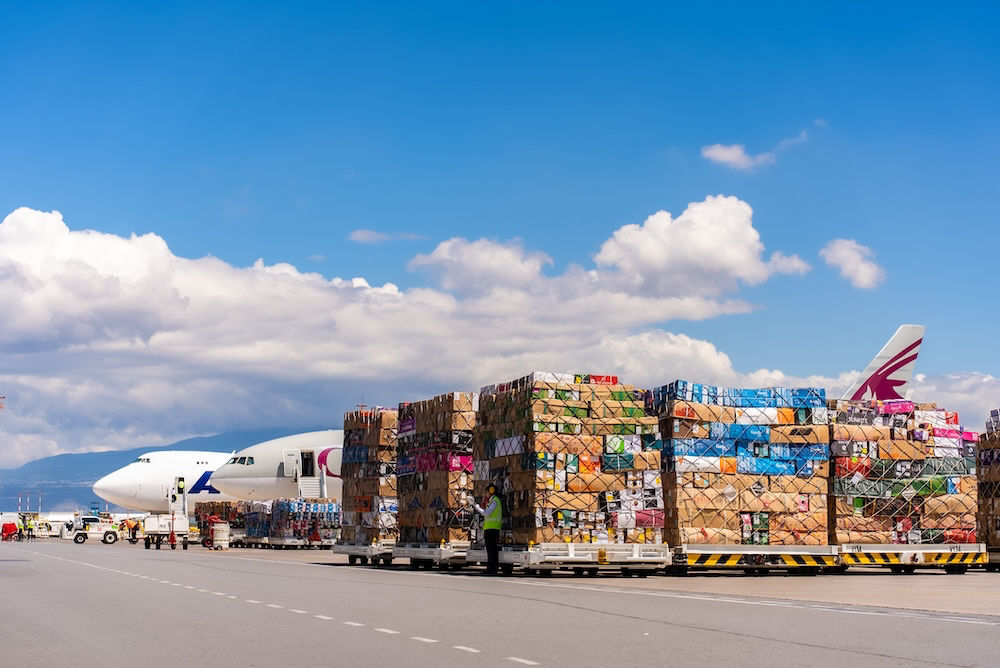
At the heart of the announcement are plans to expand the airport’s cargo terminal by 5,000 square metres, construct a dedicated cargo aircraft stand, and reconfigure the truck staging area to improve throughput and operational efficiency. These infrastructure developments, which form part of the airport’s long‑term master plan, are slated for completion by 2030 and are designed to support anticipated growth in international trade and logistics demand.
The expansion comes as Quito handles roughly 90 percent of the country’s exports transported by air, underscoring the airport’s strategic importance to Ecuador’s export economy. The enhanced cargo facilities aim to streamline handling processes, reduce bottlenecks and enable greater capacity for perishable goods, high‑value freight and time‑sensitive consignments.
Stronger Connectivity on the Horizon
In addition to infrastructure upgrades, airport officials signalled that new international passenger and cargo routes are expected to be announced in the coming months. These forthcoming services are part of a broader effort to strengthen Quito’s connectivity with key markets in the Americas, Europe and beyond, enhancing Ecuador’s accessibility as both a tourism destination and a global logistics node.
Global Perspectives on Airport Cities
The multi‑day event featured participation from aviation experts representing Europe, the Middle East and Latin America, including delegations from the United Arab Emirates, Spain, Brazil, Colombia and Mexico. Speakers discussed global trends in airport development, highlighting how modern airports are increasingly leveraged as catalysts for regional economic growth and integrated urban development.
A central theme of the symposium was the call for closer collaboration between airport authorities, government bodies, airlines and private‑sector partners. Delegates emphasised that such cooperation is essential to unlock the full economic potential of major aviation hubs and to ensure that infrastructure, regulation and commercial strategy are aligned for sustainable growth.
Leadership Voices at ACI Airport Day Quito
During the conference, Ramón Miró, President and CEO of Corporación Quiport, articulated the airport’s vision for the future. “Airport cities represent a vision of the future in which airports evolve into platforms that foster connectivity, investment and opportunities for cities and countries,” he said, framing the infrastructure expansion as part of a broader economic development strategy.
Rafael Echevarne, representing Airports Council International – Latin America and the Caribbean, underscored the value of collaborative forums like Airport Day for knowledge exchange and capacity building across the aviation sector. His remarks highlighted the importance of shared learning in enhancing competitiveness and resilience in regional aviation markets.
Pabel Muñoz, Mayor of Quito, also attended the event, reaffirming the city’s commitment to leveraging Mariscal Sucre International Airport as a cornerstone of local and national economic strategy. He echoed officials’ optimism that the planned investments and forthcoming route announcements will further position Quito as a gateway to global markets.