
The International Air Transport Association (IATA) is preparing a strengthened set of Live Animals Regulations (LAR) for 2026, introducing new technical requirements and compliance controls aimed at addressing long-standing gaps in global live-animal transport standards. The revisions—driven by both regulator feedback and operational challenges observed at border checkpoints—signal a shift toward a more stringent, globally harmonised regime for airlines, handlers, and shippers.
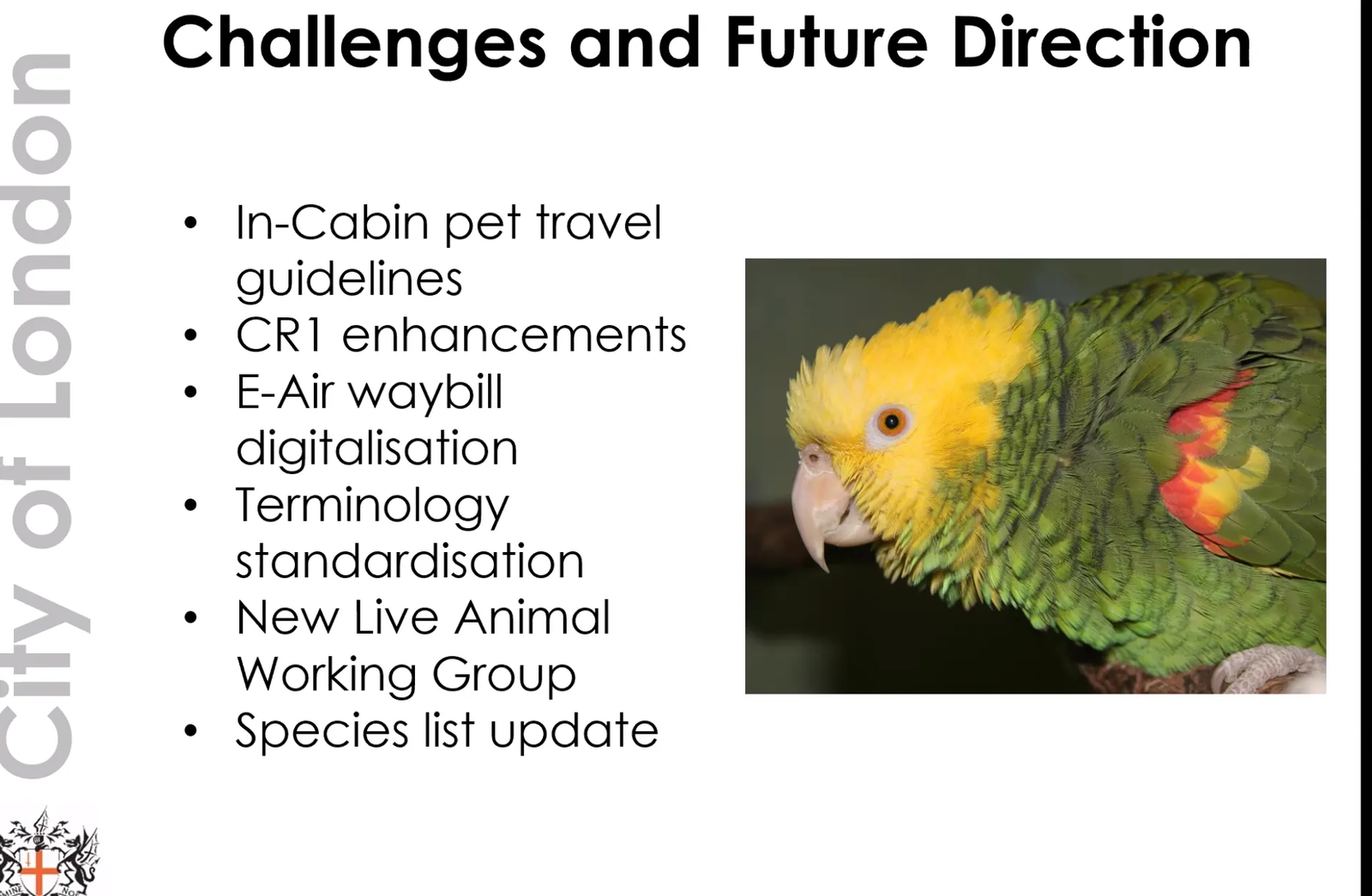
At the centre of the update is the industry’s most persistent compliance issue: the misuse of CR1 containers, particularly in the transport of wild and exotic species.
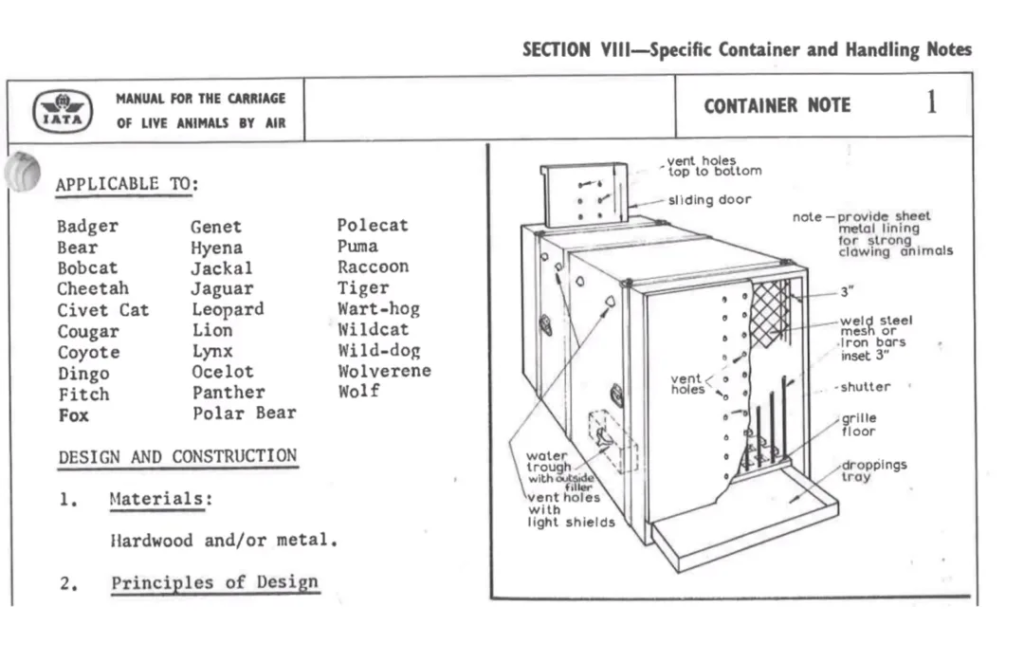
CR1 Container Misuse Under Heightened Scrutiny
Speaking during an ATA-hosted webinar, Tristan Bradfield, Consultant Manager at the City of London Animal Reception Centre, said CR1 units remain the “most problematic” element of the regulations.



“There has been a misinterpretation of what constitutes CR1 compliance,” Bradfield noted, pointing to recurring mismatches between container specifications and the species being transported.
“We often see animals transported in a container that is insufficient for their needs… they are using it for the wrong species.”
To reduce ambiguity, the 52nd edition of the LAR introduces expanded illustrations and symbol guidance, clarifying when rigid plastics are acceptable and detailing the container characteristics required for specific species.
Key Updates Coming in the 2026 LAR
The forthcoming revision includes several confirmed and proposed changes:
- Strengthened compliance criteria for CR1 containers
- Updated stocking density and ventilation rules for day-old chicks
- Size and handling guidance for brachycephalic (short-snout) breeds
- New requirements for the transport of seafood intended for human consumption
Bradfield said the updates reflect “real-world issues” frequently encountered by regulators and border authorities.
“It’s about aligning what people think they’re doing with what they’re actually doing,” he explained. “We want to assist people to do the right thing, and not create confusion.”
Digitalisation and Broader Regulatory Evolution
Beyond container and species rules, IATA is also working to modernise compliance workflows. Although live animal documentation remains largely paper-based, discussions around integrating live-animal transport into the e-air waybill framework are progressing.
Additionally, the newly formed IATA Live Animals Working Group is reviewing species classifications, terminology, and compliance methodologies to support a more consistent global approach in future editions.
Bradfield, a contributor to the CEIV Live Animals Logistics programme, stressed that the LAR continues to evolve through collaborative industry input.
“The LAR evolves year by year with the feedback that we get from operators, authorities, and animal care teams,” he said. “It reflects the realities of live-animal logistics and the shared responsibility to protect animal welfare.”
With the 2026 edition set to tighten standards further, stakeholders across the supply chain—from shippers to ground handlers—are being urged to prepare for more rigorous expectations in the handling and transport of live animals.