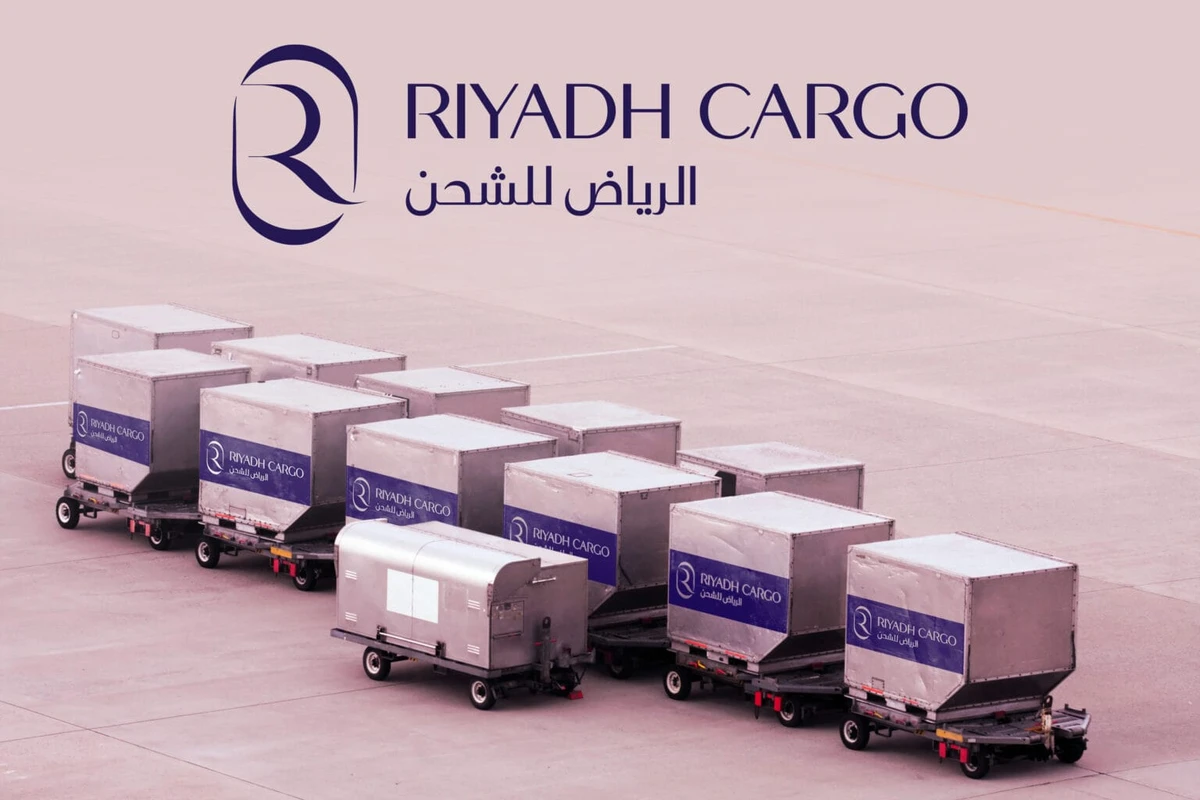
- Riyadh Cargo is being developed as a scalable cargo platform, aligned with Riyadh Air’s expanding global network and supported by a modern wide-body fleet of 122 aircraft on order.
- The launch marks a significant step in Saudi Arabia’s Vision 2030 strategy, strengthening the Kingdom’s role in global trade, supply chain connectivity, and logistics diversification.
- Digital capability sits at the core of the business model, with Riyadh Cargo embedding technology-driven systems and smart operational solutions across its growing cargo operations to enhance efficiency, visibility, and service reliability.
Saudi Arabia has taken a decisive step in advancing its Vision 2030 economic transformation agenda with the launch of Riyadh Cargo, the dedicated air freight arm of the Kingdom’s new national carrier, Riyadh Air. The move formally positions the airline in the global air cargo market, activating belly-hold freight operations across a rapidly expanding wide-body fleet and establishing a scalable platform designed to support international trade flows.
Built in parallel with Riyadh Air’s passenger network strategy, Riyadh Cargo is structured as a technology-first, growth-aligned cargo business. Its development is closely linked to the airline’s substantial fleet pipeline—more than 120 next-generation wide-body aircraft on order—ensuring that cargo capacity grows in step with route expansion and operational maturity. Anchored at Riyadh’s hub, the operation is designed as an integrated logistics platform capable of serving diverse global markets with efficiency and reliability.
Phased Build-Up, Immediate Market Presence
The brand launch reflects a deliberate, phased rollout model that prioritizes operational readiness and scalability. Since beginning live operations under Riyadh Air’s broader operational readiness programme, Riyadh Cargo has already demonstrated strong early performance on the Riyadh–London Heathrow corridor. The route has handled a broad mix of commodities, including garments and textiles, fresh flowers, seafood, tea, and coffee, underscoring the airline’s ability to manage time-sensitive, perishable, and high-value shipments with consistency.
Related Post


“Riyadh Cargo has been built with a clear focus on operational discipline, reliability, and long-term scalability,” said Pravin Singh, Global Head of Cargo at Riyadh Air. “Launching within a live environment allows us to test, learn, and continuously refine how we operate, while delivering real value to our customers from the outset. The brand launch is a foundational step in building a cargo business that grows alongside our network expansion and supports Saudi Arabia’s broader logistics ambitions.”
Digital Infrastructure at the Core
Digitalisation forms the backbone of Riyadh Cargo’s operating philosophy. The carrier has embedded dedicated cargo management systems, centralized airwaybill control, and advanced data visibility tools aimed at improving transparency, accelerating decision-making, and maintaining consistent service quality. Round-the-clock centralized management of critical functions such as airwaybill stock provides an operational edge, particularly in complex, multi-station environments.
In line with its digital-native model, Riyadh Cargo has partnered with CHAMP Cargosystems to deploy CargoSpot Neo, a next-generation, end-to-end cargo platform. The system enhances operational control, improves real-time data visibility, and supports agile decision-making as volumes increase and the network becomes more complex.
Further strengthening its digital ecosystem, Riyadh Air is working with Unilode to manage and track a fleet of lightweight, digitally monitored unit load devices (ULDs). Real-time ULD tracking enhances asset visibility, supports stock optimization, and enables more resilient cargo flows, particularly during irregular operations, while contributing to more sustainable logistics performance.
Ground Network and Hub Integration
On the ground, Riyadh Cargo’s operations are supported through a partnership with SATS Saudi Arabia Company, providing cargo handling and hub management across key gateways: King Khalid International Airport (Riyadh), King Fahd International Airport (Dammam), and King Abdulaziz International Airport (Jeddah). These stations are equipped with modern infrastructure, specialized handling zones, and centralized oversight systems that enable seamless cargo transfers and real-time operational control. Future enhancements include dedicated facilities and expanded handling capabilities aimed at further elevating customer service standards.
Cargo as a Strategic Economic Enabler
Riyadh Cargo’s launch aligns with Riyadh Air’s broader growth trajectory, which envisions a fleet of more than 180 aircraft and a network spanning over 100 destinations by 2030. The airline is projected to contribute approximately USD 20 billion to Saudi Arabia’s non-oil GDP and support more than 200,000 direct and indirect jobs globally.
Within this framework, Riyadh Cargo is positioned as a strategic pillar—supporting trade diversification, strengthening supply chain connectivity, and reinforcing the Kingdom’s ambition to become a leading global aviation and logistics hub bridging Asia, Europe, and Africa.