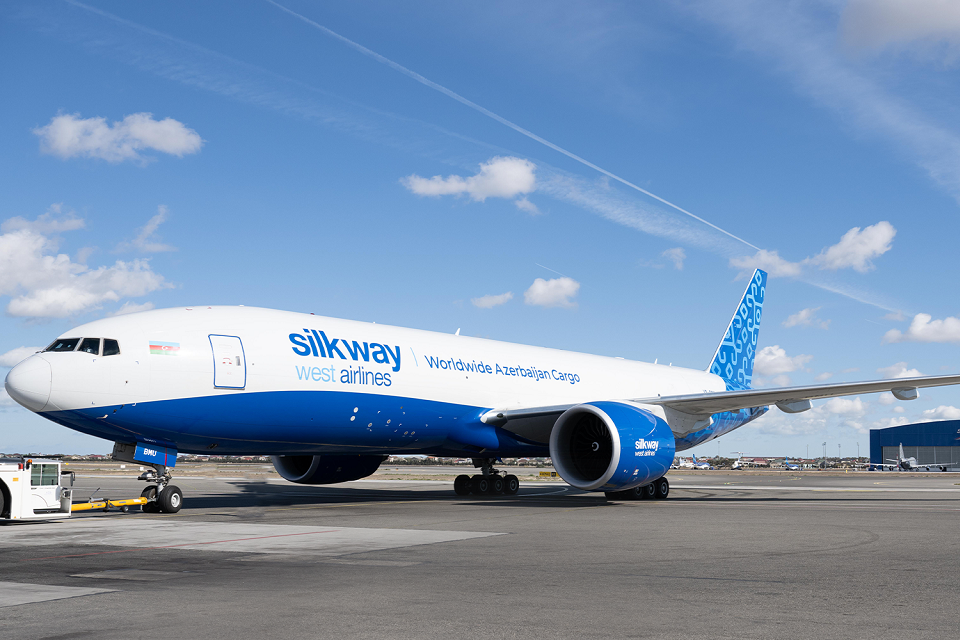
Strategic Fleet Renewal
The introduction of the new 777F is part of Silk Way West’s strategy to optimise efficiency, reduce operational costs, and enhance sustainability. The programme has already seen the retirement of two older Boeing 747-400 freighters, allowing the airline to transition to more fuel-efficient, next-generation widebody aircraft.
“The delivery of our fourth Boeing 777 Freighter demonstrates our disciplined approach to fleet renewal and our ability to deliver on long-term strategic commitments,” said Wolfgang Meier, president of Silk Way West Airlines. “By transitioning away from older aircraft and introducing next-generation freighters, we are strengthening operational performance, supporting sustainability objectives, and laying a solid foundation for the next phase of fleet modernisation.”
With the arrival of the next two 777s, Silk Way West Airlines expects to complete the first phase of its fleet renewal programme, further consolidating its position on key cargo routes and improving operational reliability.
Related Post

Current and Future Fleet Outlook
Silk Way West’s current fleet now totals 12 aircraft, including four Boeing 777Fs, five Boeing 747-8Fs, and three additional freighters. Looking ahead, the airline plans to launch the second phase of its modernisation programme in 2028, which will introduce four Airbus A350Fs and four Boeing 777-8Fs.
“This phase will not only replace older aircraft but also support capacity growth, enabling Silk Way West Airlines to expand operations while maintaining a modern, efficient fleet,” the airline said. By 2030, the carrier anticipates its fleet will reach 20 widebody aircraft, positioning it for sustained growth in the competitive air cargo market.
Infrastructure Expansion
In parallel with fleet expansion, Silk Way West Airlines is planning the development of a new cargo airport in Azerbaijan, reflecting its long-term commitment to improving logistics infrastructure and supporting regional and global trade.
The airline’s phased fleet modernisation programme aligns with broader industry trends, where carriers are investing in next-generation freighters to achieve better fuel efficiency, lower emissions, and enhanced payload performance — key drivers for competitiveness and sustainability in air cargo.