Key Highlights
- EU ends low-value duty exemption: The European Union has abolished the €150 duty-free threshold for low-value imports, introducing a temporary €3 customs charge per commodity code on consignments entering the bloc from 1 July 2026.
- E-commerce supply chains under pressure: U-Freight says the new customs regime is increasing costs and administrative complexity for businesses shipping direct-to-consumer (B2C) parcels into Europe.
- Regional fulfilment gains momentum: Companies are increasingly shifting inventory closer to European customers, with locally fulfilled e-commerce orders overtaking direct cross-border shipments in several major EU markets.
- Strategic review recommended: Exporters are being encouraged to reassess product classifications, shipping profiles and inventory strategies to minimise customs costs and maintain competitiveness.
- Integrated logistics solutions in focus: U-Freight is helping customers navigate the regulatory changes through freight forwarding, customs brokerage, warehousing, inventory management and European distribution services.
U-Freight Sees Traders Adapt to New EU Customs Charges
The abolition of the European Union’s €150 duty-free threshold for low-value imports is prompting e-commerce businesses and importers to rethink their supply chain strategies, as new customs charges increase the cost and complexity of cross-border trade.
According to U-Freight Group, companies shipping direct-to-consumer (B2C) parcels into Europe are already adjusting their logistics models following the introduction of the new customs rules, which came into effect on 1 July 2026.
Related Post




Under the revised regulations, consignments valued at €150 or less are now subject to a temporary €3 customs charge for each commodity code contained within a parcel. The measure replaces the long-standing duty-free exemption for low-value goods and is expected to remain in place until at least 1 July 2028 as part of the European Union’s broader customs reform programme.
The changes represent one of the most significant shifts in European e-commerce logistics in recent years, particularly for businesses that rely on high-volume, low-value parcel shipments into the EU.
Rising Costs Drive Supply Chain Changes
U-Freight believes the new customs framework is encouraging businesses to reassess traditional cross-border fulfilment models.
“The removal of the €150 de minimis threshold marks a major turning point for cross-border e-commerce,” said Simon Wong, Chief Executive Officer of U-Freight Group.
“Business models built around shipping individual low-value parcels directly into Europe now face higher costs, increased customs complexity and the potential for longer clearance times. If they haven’t already, companies need to review their supply chain strategies now rather than wait for costs to escalate.”
The new customs regime forms part of the EU’s efforts to modernise customs procedures, improve transparency and create a more level playing field between parcel imports and bulk shipments, while discouraging the undervaluation of goods previously used to benefit from duty exemptions.
Regional Fulfilment Becoming the Preferred Model
As businesses adapt to the changing regulatory landscape, U-Freight has observed a growing shift towards regional fulfilment strategies.
The company notes that locally fulfilled e-commerce orders have now overtaken direct cross-border shipments in several key European markets, including Spain, France and Poland, reflecting a broader move towards forward-positioned inventory and regional distribution networks.
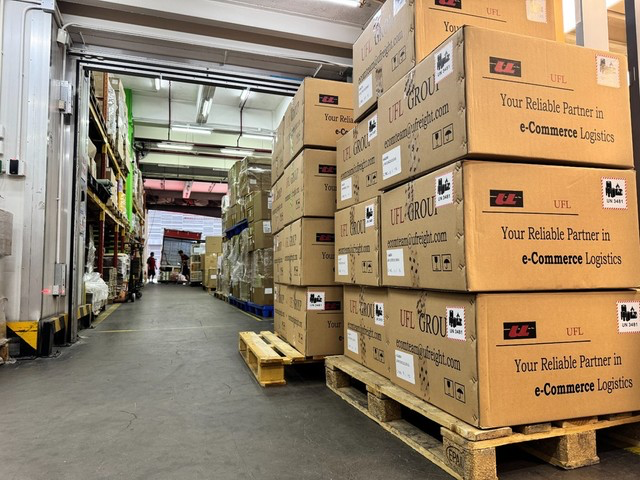
Holding inventory within Europe enables businesses to reduce border-related costs, improve delivery performance and minimise customs uncertainty while providing customers with faster and more predictable order fulfilment.
“Forward positioning inventory within Europe is becoming a competitive necessity rather than simply an operational option,” Wong said.
“Regional fulfilment enables businesses to improve delivery speeds, reduce customs-related uncertainty and maintain a seamless customer experience while remaining fully compliant with the latest EU requirements.”
Building More Resilient Supply Chains
Beyond addressing compliance requirements, U-Freight believes the latest customs reforms are accelerating a longer-term transformation in international supply chain strategies.
Companies exporting to Europe are increasingly evaluating inventory placement, product classification and freight models to reduce administrative burdens while improving operational resilience.
To support customers through the transition, U-Freight offers integrated logistics services including international freight forwarding, customs brokerage, warehousing, inventory management and European distribution, enabling businesses to manage freight, customs clearance and final-mile delivery through a single supply chain partner.
The company is advising exporters to conduct a comprehensive review of their shipping profiles, assess the financial implications of the new customs charges and determine whether establishing inventory within Europe could deliver long-term operational and commercial benefits.
As regulatory reforms continue to reshape global trade, logistics providers are expected to play an increasingly important role in helping businesses build compliant, agile and cost-efficient supply chains capable of responding to evolving customs requirements and changing consumer expectations.