
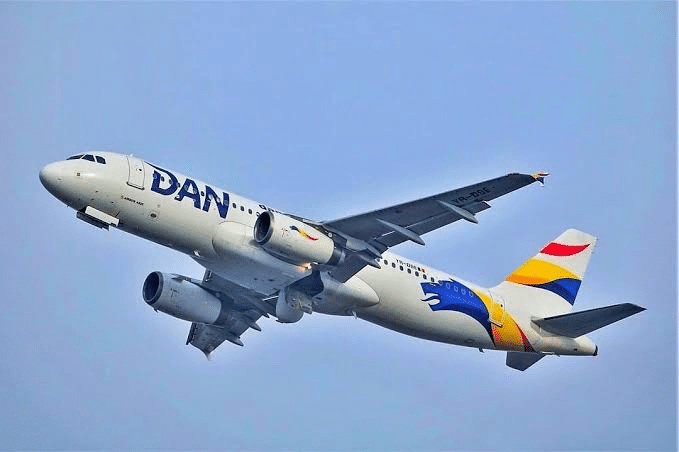
Romanian carrier Dan Air is expanding its connectivity from Bucharest into markets across the Caucasus and Middle East, creating additional direct links that could provide new options for time-sensitive cargo moving between Eastern Europe and the region.
The carrier operates Airbus A320 aircraft on its regional network, with Bucharest services to destinations including Aleppo and other Middle Eastern markets. Dan Air’s own booking platform confirms scheduled Bucharest–Aleppo operations, while independent schedule data also shows direct Bucharest–Tbilisi services.
For the air cargo sector, the significance of such passenger routes extends beyond passenger connectivity. A320 belly capacity can provide additional space for smaller, time-sensitive shipments, particularly where direct services can reduce the need for connections through major European or Middle Eastern hubs.
Related Post




Direct Links Create Additional Cargo Options
Direct connectivity between Bucharest and the South Caucasus could give freight forwarders another routing option for shipments between Romania, neighbouring European markets and Georgia.
Tbilisi is strategically positioned within the wider Trans-Caspian logistics network, which links Central Asia and China with the Caucasus and European markets through multimodal road, rail and maritime connections.
An air link can complement those surface corridors by providing an option for higher-value or time-critical shipments that cannot accommodate the longer transit times associated with road and rail movements.
The potential cargo contribution of passenger aircraft remains constrained by available belly capacity compared with dedicated freighters. However, regular scheduled services can be valuable for freight forwarders when they provide predictable departure opportunities and access to destinations that otherwise require additional connections.
Caucasus Gains Importance in Regional Logistics
The South Caucasus has attracted increased attention from logistics operators as trade patterns across the wider region have changed since Russia’s invasion of Ukraine in 2022.
Georgia, in particular, has emerged as an important component of alternative Europe–Central Asia trade routes. The Trans-Caspian International Transport Route connects China and Central Asia with the Caucasus and onward European markets, with Georgia serving as a key transit country.
For air cargo operators, this creates potential for multimodal combinations in which air freight is used alongside road, rail or maritime transport depending on shipment value, urgency and destination.
Aleppo Adds a Middle Eastern Dimension
Dan Air has also maintained direct Bucharest–Aleppo operations using Airbus A320 aircraft. Its official booking platform currently lists Bucharest–Aleppo services, while flight-history data shows the route operating during September 2026.
The Aleppo service adds another Middle Eastern destination to Bucharest’s direct network and could provide belly capacity for specialist and time-sensitive shipments moving between Romania and Syria, subject to applicable customs, regulatory and operational requirements.
Dan Air’s wider Bucharest network also includes services to Damascus, with the airline’s official website showing scheduled availability for the route during September and subsequent months.
Implications for Freight Forwarders
For freight forwarders, the value of the emerging network is likely to depend less on absolute aircraft capacity than on schedule reliability, frequency and the ability to connect the services with existing road and air networks.
Bucharest provides access to Romania’s manufacturing and distribution base as well as the wider European Union market. Direct links to the Caucasus and Middle East can consequently create additional routing possibilities for shipments that might otherwise move through larger hubs such as Istanbul, Vienna or Frankfurt.
At the same time, A320 belly capacity is significantly smaller than dedicated freighter capacity, meaning the routes are more likely to complement rather than replace established cargo networks.
The development nevertheless highlights the growing importance of direct regional connectivity as shippers seek alternatives to traditional hub-and-spoke routings and as trade corridors across Eastern Europe, the Caucasus and the Middle East continue to evolve.
For cargo operators and forwarders, the expansion of direct services from Bucharest provides another network layer to consider when developing routing strategies for time-sensitive freight moving between Europe and the markets east and south of the Black Sea.