
The Russian aviation group has taken control of two Boeing 747-400 freighters previously operated by AirBridgeCargo and subsequently used by Aeroflot subsidiary Rossiya. The aircraft are scheduled to return to service in May and September 2027, with planned cargo operations linking Russia, China, India and the United Arab Emirates.
EAS Group is preparing to bring two previously grounded Boeing 747-400 freighters back into commercial operation in 2027, potentially adding substantial widebody cargo capacity to Russia’s international freight market.
The development was reported by Russian business newspaper Vedomosti on November 13, citing a source familiar with the transaction. A representative of EAS Group confirmed to the newspaper that the company had taken control of the two aircraft and intended to restore them to service according to the reported schedule.
Related Post



The first freighter is expected to return to operation in May 2027, with the second scheduled for September 2027.
The aircraft are intended to transport general cargo and consumer goods on routes connecting Russia with China, India and the United Arab Emirates, markets that remain important to Russia’s evolving international trade and logistics network.
From AirBridgeCargo to Rossiya and EAS Group
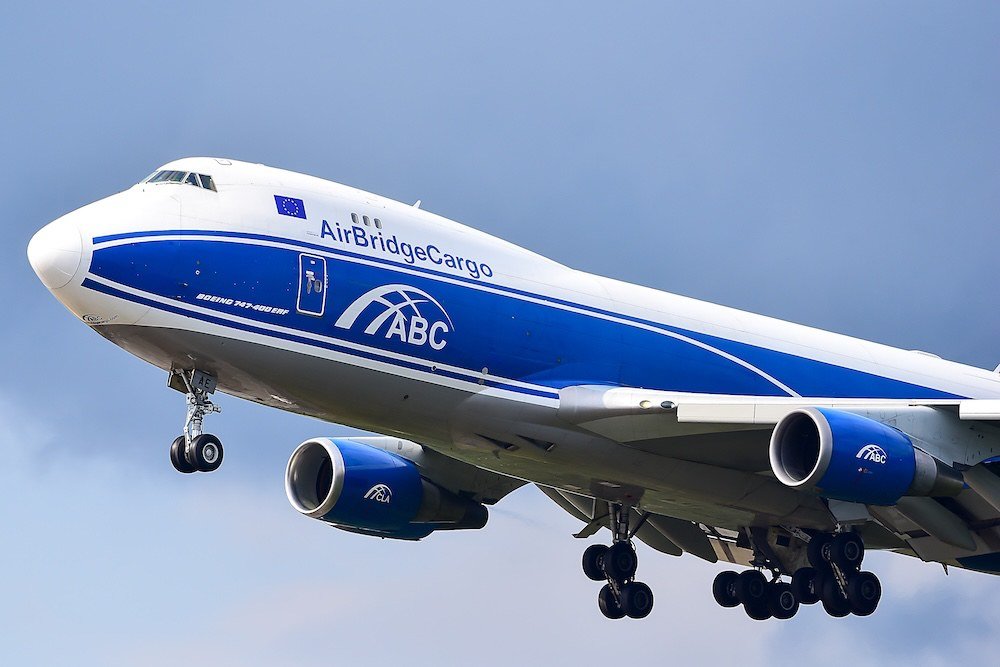
Both Boeing 747-400 freighters were previously operated by AirBridgeCargo, part of the Volga-Dnepr Group, before subsequently entering the fleet of Rossiya Airlines, an Aeroflot Group subsidiary.
According to Aeroflot’s statement to Vedomosti, the aircraft had been operated under lease and were returned to their owner, Russian leasing company NLK-Finance, following a reassessment of the commercial prospects for operating dedicated freighters under prevailing market conditions.
Their transfer to EAS Group provides the company with an opportunity to redeploy existing widebody aircraft for international cargo operations rather than introduce an entirely new fleet.
The Boeing 747-400 Freighter is a high-capacity aircraft designed for long-haul cargo transportation. Its main-deck and lower-deck cargo capability makes it suitable for general freight, consumer goods and other shipments requiring substantial payload and volume capacity.
International Cargo Network Plans
EAS Group is targeting routes between Russia and three major trading markets: China, India and the UAE.
The proposed network reflects the changing pattern of Russian international freight movements, with growing reliance on alternative trade corridors and logistics connections following the disruption of traditional aviation and commercial links.
The deployment of two Boeing 747-400 freighters would provide dedicated widebody capacity for these markets, although the company has not yet disclosed specific destinations, operating frequencies or prospective customers.
The aircraft’s return to commercial service will depend on the completion of technical restoration and the establishment of the necessary operational arrangements.
Technical and Operational Challenges Remain
Despite the planned reactivation, returning the aircraft to commercial service will involve considerable technical and operational requirements following their extended period out of service.
Maintenance, airworthiness certification, access to spare parts and the availability of qualified personnel will be important considerations in meeting the proposed 2027 schedules.
The wider Russian aviation sector also continues to face restrictions associated with international sanctions, including limitations affecting aircraft maintenance, spare parts and access to certain international aviation services.
EAS Group has not disclosed the aircraft registrations, restoration costs, financing arrangements or the proposed operating structure.
The development nevertheless represents a further step in the group’s efforts to rebuild its cargo aviation activities and expand its international freight capabilities.
The planned return of the two Boeing 747-400s will be closely watched by the air cargo industry, particularly as Russia seeks to strengthen its freight connections with Asian and Middle Eastern markets.