
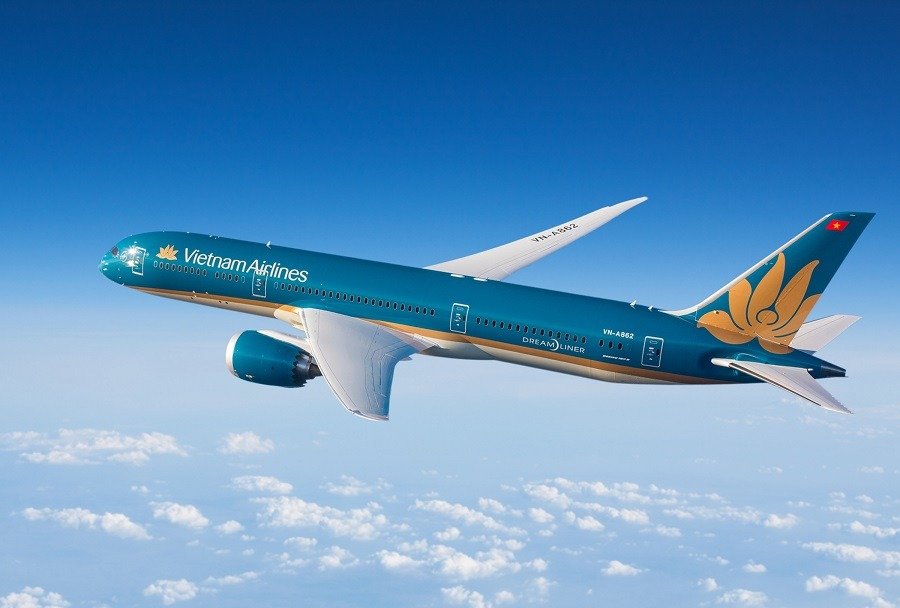
Vietnam Airlines is strengthening its presence in the Indian market with a significant increase in flight frequencies between India and Vietnam, moving towards daily services from Delhi and Bengaluru to Hanoi from 14 December 2026.
Under the revised schedule, flights between Delhi’s Indira Gandhi International Airport (DEL) and Hanoi’s Noi Bai International Airport (HAN) will increase from four to seven services per week. The Bengaluru–Hanoi route will also see frequencies rise from four to seven flights weekly.
The expansion will provide greater connectivity between the two countries while strengthening access to Vietnam Airlines’ wider international network through its hubs in Hanoi and Ho Chi Minh City.
Related Post




For the air cargo sector, the additional passenger services are expected to create further opportunities for belly-hold freight capacity, offering freight forwarders more options for shipments moving between India, Vietnam and onward international destinations.
Strengthening a growing India–Vietnam market
The frequency expansion reflects Vietnam Airlines’ growing focus on India, where increasing business activity, tourism and bilateral travel demand are supporting stronger air connectivity requirements.
Delhi and Bengaluru are important departure markets for the airline, serving both corporate and leisure travellers. Moving to daily Hanoi services from both cities is expected to provide greater scheduling flexibility and improve connections for passengers travelling beyond Vietnam.
Delhi will also retain connectivity with Ho Chi Minh City, giving travellers access to both of Vietnam’s principal commercial and economic centres.
Nguyen Trung Hieu, Country Manager, India, at Vietnam Airlines, said the expansion reflects the airline’s confidence in the long-term potential of the Indian market.
“India is an increasingly important market for Vietnam Airlines, with growing demand for travel between the two countries presenting significant opportunities for further growth.
“Easier visa processes, rising travel aspirations and growing interest among travellers from both India and Vietnam to explore each other’s destinations are contributing to the momentum of this market.
“The increase in flight frequencies from Delhi and Bengaluru reflects our confidence in this potential and our commitment to offering travellers greater choice, convenience and connectivity,” Hieu said.
Additional opportunities for air cargo
The expanded passenger schedule is also relevant to the air freight industry, particularly for freight forwarders seeking additional capacity and more frequent connections between India and Southeast Asia.
Additional flights generally create opportunities to accommodate more belly-hold cargo, subject to aircraft configuration, passenger and baggage loads, route conditions and operational restrictions.
The increased frequencies could therefore support shipments requiring more regular departures and improved connectivity through Vietnam Airlines’ network.
Hanoi and Ho Chi Minh City provide access to wider Asian markets, while the airline’s international network also offers onward connections to Europe and other destinations.
For cargo customers, the additional frequencies could improve shipment planning, transit options and access to international markets. However, the airline has not disclosed specific additional cargo tonnage associated with the expansion.
Greater flexibility for freight forwarders
The move to daily services on both routes is expected to give freight forwarders greater flexibility when planning shipments between India and Vietnam.
More frequent departures can help improve scheduling options, particularly for time-sensitive cargo and shipments requiring connections to other destinations.
The development also comes amid growing commercial and economic engagement between India and Vietnam, creating opportunities for stronger trade-related air freight demand.
With the revised schedule taking effect on 14 December, Vietnam Airlines is positioning its Indian operations to accommodate rising demand while strengthening its regional connectivity.
For the air cargo industry, the expansion represents a potential increase in available belly-hold capacity and a further development of the India–Vietnam air freight corridor.