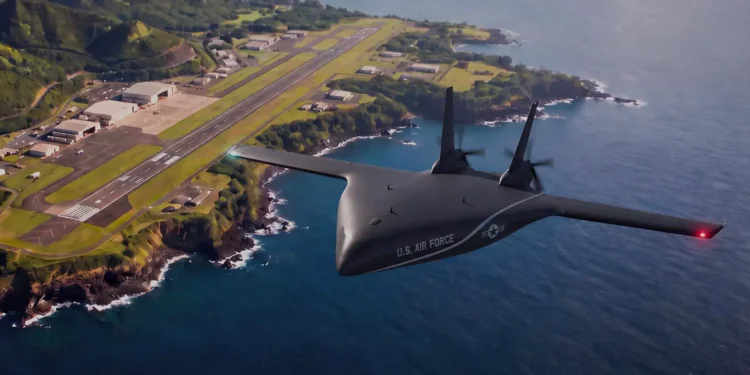

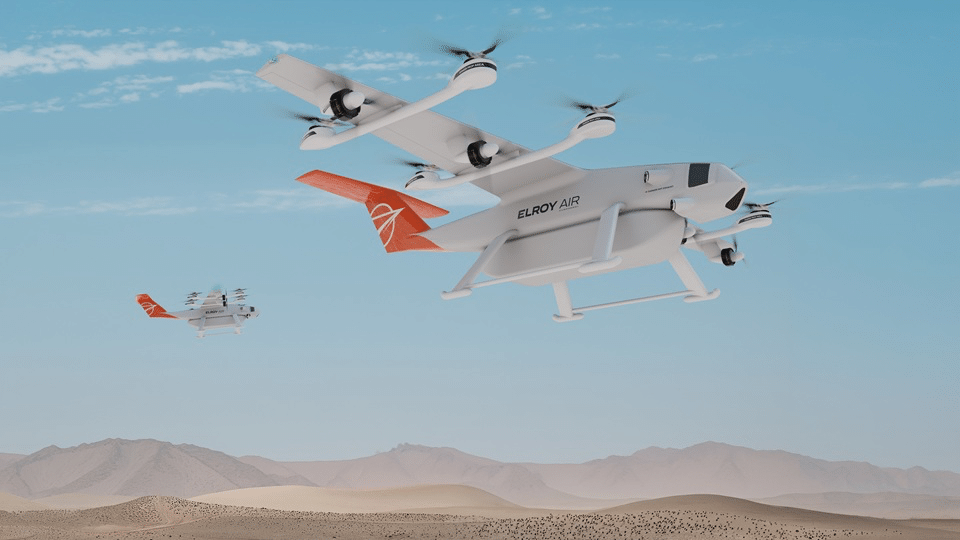
US-based Elroy Air has signed an aircraft purchase agreement with Abu Dhabi-based Barq Group for up to 20 Chaparral autonomous hybrid-electric cargo drones, strengthening plans to introduce uncrewed cargo aircraft across the Middle East and North Africa (MENA).
The agreement includes five firm aircraft orders and deposit-backed production slot reservations for a further 15 units. Barq Group has committed an initial deposit of $10.25 million, with the overall transaction valued at up to $70 million for the aircraft.
Deliveries are scheduled to begin in 2027, according to Elroy Air’s announcement on November 16, 2026.
Five Firm Orders and 15 Additional Production Slots
Under the terms of the agreement, Barq Group has made a binding commitment for the first five Chaparral aircraft, with its initial deposit covering 50% of their purchase price. Additional pre-delivery payments will support the 15 production slot reservations, subject to the agreement’s conditions.
The distinction between firm orders and reserved production slots is significant: the initial commitment covers five aircraft, while the remaining 15 are not yet firm orders.
The agreement builds on the companies’ earlier collaboration to establish a proposed $200 million joint venture for a manufacturing and services facility in Abu Dhabi. The project, subject to definitive documentation and regulatory approvals, is intended to support production, distribution and aftermarket services for Chaparral aircraft across the MENA region.
Chaparral Designed for Runway-Independent Cargo Operations
The Chaparral is an autonomous hybrid-electric vertical take-off and landing (VTOL) aircraft developed to transport cargo without requiring conventional runways or dedicated airstrips.
Elroy Air says the aircraft is designed to carry payloads of up to 500 pounds (approximately 227 kg) over distances of up to 450 miles (approximately 724 km). Its hybrid-electric propulsion system is intended to combine electric propulsion with extended operating range, without relying on dedicated charging infrastructure.
The aircraft is being developed for a range of applications, including commercial logistics, military resupply, offshore energy operations, humanitarian assistance and disaster response. Its ability to operate from locations without conventional airport infrastructure could make it suitable for moving essential supplies to remote or difficult-to-access destinations.
Kratos to Manufacture the First 20 Aircraft
The first 20 aircraft covered by the Barq Group agreement are to be manufactured by Kratos Defense & Security Solutions, Elroy Air’s exclusive US manufacturing partner.
Production is scheduled to begin in late 2026 at Kratos’ expanding facility in Sacramento, California. The manufacturing arrangement is intended to support the initial deliveries while the partners continue developing their longer-term regional manufacturing plans.
Elroy Air chief executive Andrew Clare said the agreement represents an important step in expanding the Chaparral programme internationally, highlighting the potential for autonomous aircraft to move critical cargo across long distances and challenging terrain.
Barq Group founder and chief executive Ahmed AlMazrui said the partnership would support the company’s ambition to expand autonomous aviation and cargo logistics capabilities across the Middle East and North Africa.
Abu Dhabi Joint Venture Supports Regional Ambitions
The purchase agreement follows the January 2026 announcement of a proposed $200 million joint venture between Elroy Air and Barq Group to establish a Chaparral manufacturing and services operation in Abu Dhabi.
The planned facility is expected to serve commercial and humanitarian customers across the region, with maintenance, repair and overhaul capabilities forming part of the proposed operation.
The companies have previously outlined plans for initial UAE flight operations using US-built aircraft in 2027, followed by the start of local production in Abu Dhabi in 2028. Those plans remain subject to the necessary regulatory approvals and completion of the joint venture arrangements.
The latest aircraft agreement gives the partnership a more defined initial purchase commitment as both companies seek to establish a presence in the emerging autonomous cargo aviation market.