
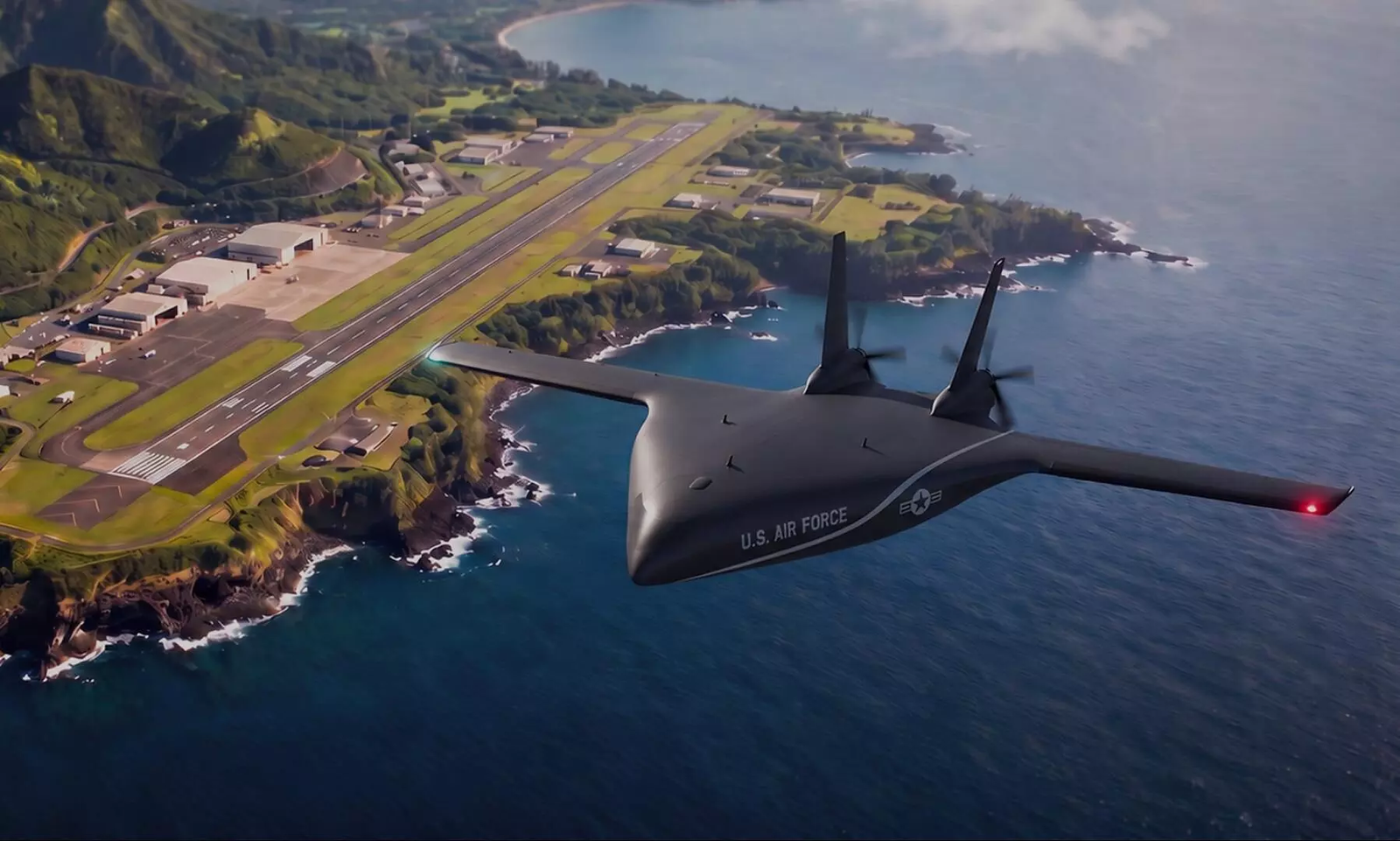
The US Air Force has awarded aerospace manufacturer Natilus $3.5 million in research, development, test and evaluation funding to advance its KONA regional cargo aircraft towards full-scale flight testing and a military logistics demonstration.
The funding, provided through the Operational Energy – Innovation programme and the Department of the Air Force, will support development of the optionally piloted aircraft for regional cargo distribution and logistics operations in challenging environments.
KONA is designed to carry a payload of 3.8 tonnes over a range of approximately 800 nautical miles, positioning it between light utility aircraft such as the Cessna C-208 and larger tactical airlifters such as the Lockheed Martin C-130.
Related Post


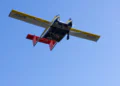
The aircraft is intended to support regional freight movements from short runways and locations with limited infrastructure, including dispersed operating sites where conventional logistics networks can be difficult to sustain.
Blended-wing design targets lower fuel consumption
Natilus is developing KONA around a blended-wing-body configuration, which integrates the fuselage and wings into a unified aerodynamic structure.
The company estimates that the design will consume approximately 30% less fuel than comparable conventional aircraft. Lower fuel requirements could be particularly valuable for military logistics operations in regions where fuel transport and distribution present significant challenges.
The Indo-Pacific is a key area of interest, given its long distances, widely dispersed operating locations and dependence on complex supply networks. KONA is being developed to support intra-theatre airlift and the distribution of supplies between regional hubs and smaller operating locations.
The aircraft is also designed to be compatible with existing cargo infrastructure, potentially reducing the need for specialised ground-handling equipment or extensive airport modifications.
However, the claimed fuel savings and operational capabilities remain manufacturer projections that will need to be assessed through testing and demonstration.
Commercial development and military applications
Natilus is progressing KONA towards Federal Aviation Administration Part 23 certification and full-scale flight testing. The Air Force funding will support the military demonstration programme alongside the company’s privately funded commercial development.
Jim Hartle, associate deputy assistant secretary of the Air Force for Operational Energy, Safety and Occupational Health, said the investment would help evaluate how a commercially developed aircraft could support distributed logistics while reducing operational energy requirements.
The programme is intended to generate practical data on the aircraft’s payload, range, reliability, utilisation and efficiency, helping military planners assess its potential contribution to future logistics operations.
Natilus chief executive Aleksey Matyushev said the funding would accelerate the demonstration of KONA’s capabilities for military applications while supporting the company’s broader objective of developing a more fuel-efficient regional freighter.
Although regional cargo transport remains the aircraft’s primary focus, its modular architecture and optionally piloted configuration could support other mission types in the future. Potential applications identified by the company include communications relay, intelligence, surveillance and reconnaissance, and specialised payload delivery.
These roles remain prospective rather than established operational capabilities.
Natilus advances blended-wing aircraft programme
Founded in 2016, Natilus is developing a family of blended-wing-body aircraft for commercial cargo and passenger markets.
The company says its designs aim to reduce fuel consumption by 30% and operating costs by 50%, while increasing payload capacity by 40% compared with conventional aircraft. These figures are manufacturer targets and have not yet been established as in-service performance results for KONA.
Natilus reports more than 570 aircraft pre-orders across its development programme, with a stated value of approximately $24 billion.
The latest Air Force award provides additional support for KONA’s development and offers an opportunity to evaluate the commercial aircraft concept in a military logistics context.
The next major milestones will be full-scale flight testing, progress towards certification and an operationally relevant demonstration. The results will help determine whether the aircraft can deliver its proposed combination of payload capacity, fuel efficiency and access to dispersed locations for regional cargo operations.