
Latest aircraft delivery strengthens long-haul cargo capacity as carrier accelerates network growth across Europe and Asia
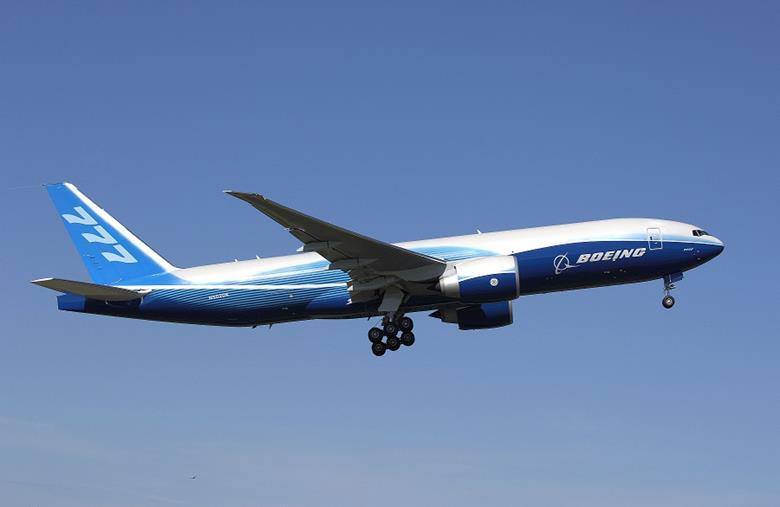
China Cargo Airlines has further expanded its widebody freighter fleet with the addition of a new Boeing 777 Freighter, marking a significant milestone in the carrier’s long-term fleet modernization and international expansion strategy.
The Shanghai-based cargo airline recently took delivery of its 20th Boeing 777F, reinforcing its position among the largest operators of the aircraft type in Asia and underscoring its commitment to meeting growing global demand for air cargo capacity.
Related Post

According to fleet-tracking data, the newly delivered aircraft, registered B-228S, was completed at Boeing’s Everett manufacturing facility in Washington State before being ferried from Seattle Paine Field International Airport to its new home base at Shanghai Pudong International Airport.
The latest addition follows the delivery of the airline’s 19th Boeing 777F earlier this year and forms part of an ongoing fleet expansion programme that still includes three additional Boeing 777 Freighters on order.
Strengthening a Proven Freighter Platform
China Cargo Airlines has steadily invested in the Boeing 777F platform since introducing its first aircraft in 2010. Over the past 16 years, the freighter has become the backbone of the carrier’s long-haul cargo operations, supporting trade flows between China, Europe, North America and other international markets.
The Boeing 777F remains one of the most sought-after dedicated freighter aircraft in the global market due to its combination of payload capability, operational efficiency and long-range performance.
With a maximum revenue payload of approximately 102 tonnes and a range of nearly 5,000 nautical miles, the aircraft enables operators to serve major international cargo corridors while optimizing fuel efficiency and operating economics.
For China Cargo Airlines, the continued expansion of its 777F fleet provides additional flexibility to support both scheduled cargo services and growing e-commerce volumes, while enhancing connectivity across strategic international trade lanes.
Supporting International Network Growth
The arrival of the 20th Boeing 777F comes as China Cargo Airlines continues to expand its global route network in response to evolving market demand and growing trade links between China and key international markets.
Earlier this year, the airline launched a new freighter service linking Chongqing Jiangbei International Airport with Budapest Ferenc Liszt International Airport, strengthening air cargo connectivity between western China and Central Europe.
The route reflects increasing cargo flows between China and Europe, particularly driven by e-commerce, manufacturing exports and industrial supply chains.
The carrier has also strengthened its presence in Western Europe through the relaunch of its dedicated freighter operations between China and France, restoring additional capacity on an important transcontinental trade corridor.
These developments form part of a broader strategy aimed at expanding the airline’s international footprint while enhancing service reliability and capacity for customers across major cargo markets.
China’s Growing Air Cargo Ambitions
As a subsidiary of China Eastern Airlines, China Cargo Airlines plays a pivotal role in supporting China’s rapidly expanding international trade ecosystem.
The carrier has been actively investing in modern freighter aircraft and network expansion to capitalize on the country’s position as one of the world’s largest manufacturing and e-commerce hubs.
Industry analysts note that demand for dedicated freighter capacity remains robust despite ongoing market adjustments following the post-pandemic cargo boom. Continued growth in cross-border e-commerce, pharmaceutical logistics, high-value manufacturing shipments and time-sensitive cargo is driving airlines to maintain investment in efficient long-haul freighter fleets.
The Boeing 777F, in particular, has emerged as a preferred aircraft for operators seeking to balance capacity, operational performance and sustainability objectives.
Continued Demand for the Boeing 777F
China Cargo Airlines’ latest acquisition also highlights the enduring popularity of Boeing’s flagship freighter aircraft.
The manufacturer delivered 35 Boeing 777 Freighters worldwide in 2025 and recorded 15 new orders during the year, demonstrating continued demand from airlines and cargo operators despite industry anticipation surrounding Boeing’s next-generation 777-8 Freighter programme.
To ensure continuity in production, Boeing has sought regulatory approvals that would allow continued sales of the current 777F beyond 2027 while bridging the transition period until the entry into service of the 777-8F.
According to Boeing’s latest delivery data, a dozen Boeing 777 Freighters have already been delivered to customers during the first half of 2026, reflecting sustained market confidence in the aircraft’s capabilities.
Positioned for Future Growth
The addition of a 20th Boeing 777 Freighter represents more than a fleet milestone for China Cargo Airlines; it reflects the carrier’s broader ambition to strengthen its role within global air cargo networks.
As international supply chains become increasingly dependent on reliable air freight services, the airline continues to invest in capacity, route development and operational capabilities that support the movement of goods across major global markets.
With three additional Boeing 777Fs still scheduled for delivery and an expanding international network connecting China with Europe and other strategic regions, China Cargo Airlines appears well positioned to capitalize on future cargo growth opportunities while reinforcing its status as one of Asia’s leading all-cargo operators.
The latest fleet expansion underscores the airline’s confidence in long-term air cargo demand and its commitment to providing enhanced capacity and connectivity for global trade.