
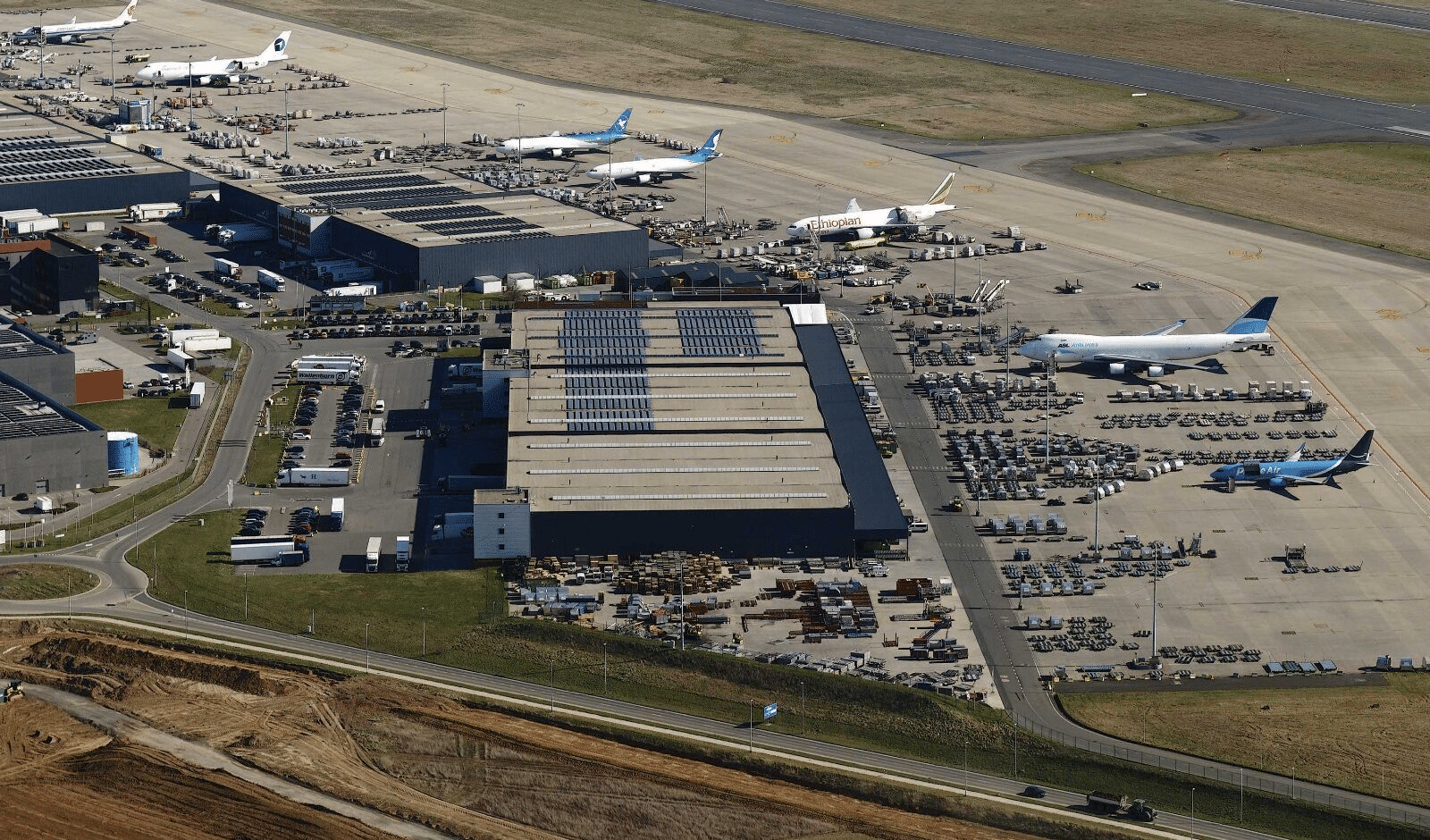
Reliable freighter services and specialised cold-chain facilities strengthen Liège’s role in transatlantic pharmaceutical logistics
Liège Airport has handled more than 10,000 tonnes of pharmaceutical cargo destined for Chicago O’Hare International Airport since the introduction of regular scheduled services in early 2026, highlighting the growing importance of specialised air freight connections for global healthcare supply chains.
The milestone reflects rising demand for reliable, temperature-controlled transport and the airport’s investment in pharmaceutical handling capabilities at CargoLand by LGG. According to Frédéric Brun, vice-president of sales and marketing at Liège Airport, the service has attracted customers through schedule consistency and dependable operations.
Related Post

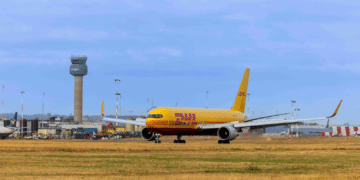
The pharmaceutical corridor operates on three weekly Liège–Chicago–Dubai freighter rotations. The airport reports that flights are carrying full loads on both outbound and return sectors.
Much of the pharmaceutical cargo routed through Liège is transferred from other airports rather than representing entirely new freight demand. The transfers nevertheless indicate that freight forwarders and pharmaceutical shippers are increasingly using the Belgian hub to consolidate shipments and access scheduled transatlantic capacity.
Cold-chain handling limits exposure
The operation handles temperature-sensitive products, including insulin, vaccines and other medicines, each requiring appropriate storage conditions and carefully managed transfers.
To protect product integrity, CargoLand by LGG has established service-level agreements with pharmaceutical customers that limit exposure to ambient conditions. Under the standard process described by Brun, cargo spends approximately 20 minutes moving from truck to refrigerated storage and a further 20 minutes transferring from refrigeration to aircraft loading.
The airport’s proximity between cargo facilities and aircraft stands supports these short transfer times. Combined with specialised storage and coordinated handling, the approach is designed to reduce the risk of temperature excursions and simplify the movement of sensitive shipments.
Liège’s location in the heart of Europe also supports the consolidation of pharmaceutical cargo collected from manufacturing sites in France and Germany. Shipments can be brought together at CargoLand by LGG before being prepared for onward air transport.
The airport’s round-the-clock operations provide additional flexibility for shippers and freight forwarders managing urgent deliveries, changing schedules and disrupted supply chains.
Pharmaceutical growth supports diversification
The expansion of pharmaceutical traffic forms part of Liège Airport’s broader strategy to diversify its cargo activities and develop services around specialised customer requirements.
Brun said pharmaceutical volumes moving through the airport had increased by more than 120%, reflecting the results of a diversification strategy pursued over the previous four years.
The airport has developed its pharmaceutical handling processes around existing infrastructure and accumulated operational expertise, with an emphasis on reducing cargo exposure, simplifying transfers and limiting the number of parties involved in the handling chain.
Round-the-clock availability also enables the airport to accommodate urgent and humanitarian shipments, as well as cargo associated with the launch of new products in international markets, including Brazil.
New markets on the horizon
CargoLand by LGG plans to develop its freighter network in line with customer demand, connecting pharmaceutical production centres with markets that require reliable access to medicines.
Existing cargo links with African markets could offer opportunities to increase pharmaceutical exports on return flights. Some of these connections were developed to support flower imports, potentially creating scope to make better use of available capacity in both directions.
India is another market under consideration as the airport evaluates future network development. The objective is to align available freighter capacity with pharmaceutical demand and improve connections between manufacturing centres and destinations requiring specialised healthcare logistics.
The airport also points to pharmaceutical logistics certification among cargo handlers as an important foundation for further development. The International Air Transport Association’s Centre of Excellence for Independent Validators in Pharmaceutical Logistics (CEIV Pharma) programme establishes standards for handling pharmaceutical shipments across the supply chain.
With scheduled transatlantic capacity, specialised cold-chain procedures and 24-hour operations, Liège Airport is seeking to strengthen its position in pharmaceutical air freight. The Chicago corridor’s reported growth illustrates how reliable schedules and controlled handling processes can help attract temperature-sensitive cargo flows through a dedicated cargo hub.