

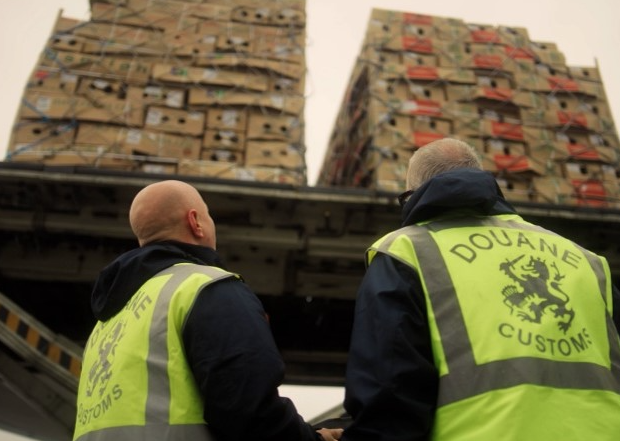
Maastricht Aachen Airport (MST), the Netherlands’ second‑largest air cargo gateway, has been officially approved as an inspection site for Products of Non‑Animal Origin (PNAO) by the Netherlands Food and Consumer Product Safety Authority (NVWA), with confirmation from the European Commission (EC). The designation represents a strategic enhancement of MST’s cargo infrastructure and regulatory capabilities, positioning the airport to better serve global exporters and perishable goods supply chains.
Following a comprehensive audit by the NVWA and subsequent endorsement by the EC, the airport now has authority to perform mandatory phytosanitary inspections of plant‑based goods — including fruits, vegetables, flowers and other PNAO commodities — directly on‑site. Previously, many of these consignments were required to undergo inspection at off‑airport facilities, adding time, cost and logistical complexity to airfreight operations.
Streamlined Inspections and Enhanced Cold Chain Integrity
By enabling official controls at the point of arrival, MST anticipates faster handling times, reduced dwell periods and improved protection of cold chain integrity — a critical advantage for temperature‑sensitive produce. The ability to clear shipments immediately upon arrival also allows the airport to expand the range of permitted products and countries of origin that it can process, enhancing its appeal to shippers engaged in international fresh produce trade.
“Maastricht Aachen Airport is well known for its short transit times and efficient handling processes — critical factors in maintaining the quality and shelf life of fresh, temperature‑sensitive goods,” said Dean Boljuncic, Head of Commercial Development at Maastricht Aachen Airport. “Enabling on‑site PNAO controls reduces waiting times even further, and ensures an optimally safeguarded cold chain for our customers.”
Reinforcing MST’s Phytosanitary Capabilities
In 2025, MST’s status as a Phytosanitary Inspection Centre was reaffirmed, and the addition of approved PNAO controls now reinforces the airport’s standing as a key European hub for plant‑based cargo. With these regulatory frameworks in place, the airport can support an expanded portfolio of fresh produce consignments — from high‑value fruits and delicate flowers to imported vegetables — without diverting shipments for external inspection.
Industry stakeholders say the designation is expected to bolster MST’s competitiveness in the global air cargo market, particularly for exporters and freight forwarders handling perishables that are highly sensitive to delays or environmental variation.
Implications for Trade and Logistics
The PNAO designation arrives at a time of sustained growth in airfreight demand for fresh agricultural products, driven by tightening consumer expectations for speed and quality, as well as expanding international markets. Airports that can provide both regulatory compliance and efficient handling infrastructure are increasingly attractive to shippers seeking to minimise transit times and preserve product integrity.
For freight forwarders, logistics service providers and exporters, MST’s new capabilities mean fewer operational bottlenecks and greater predictability in supply chain scheduling. The airport’s expanded inspection authority also enhances its role as a strategic gateway for European importers and exporters, particularly in markets where phytosanitary compliance is mandatory for plant‑based goods.
With the newly authorised PNAO controls now fully operational, Maastricht Aachen Airport continues to refine its position as a specialist logistics hub — one that combines regulatory compliance, cargo handling expertise and infrastructure designed to meet the demands of the global fresh produce sector.