
As Miami International Airport prepares for a transformative cargo expansion that could increase capacity by as much as 50 percent, a new industry-led initiative is taking shape to ensure that growth is not only realised—but optimised.
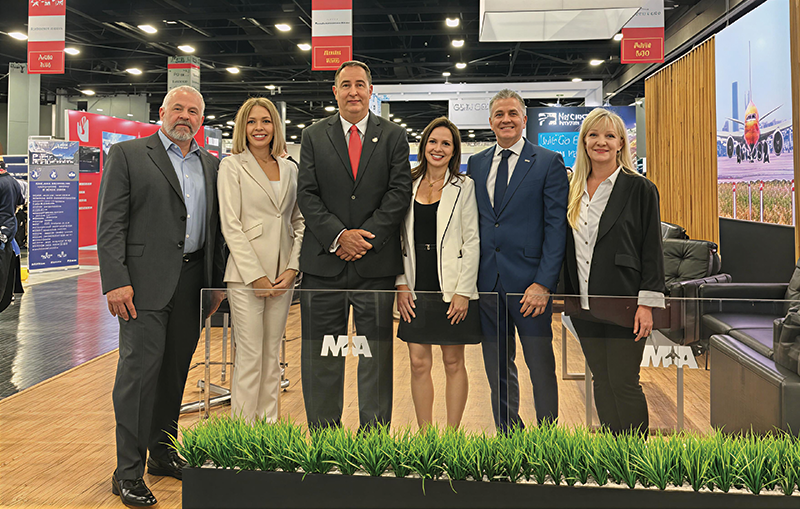
The launch of the Miami Air Cargo Association marks a strategic effort to align the interests of airlines, freight forwarders, ground handlers, trucking companies, and logistics stakeholders under a single collaborative framework. Designed as a neutral platform, the association aims to streamline coordination, foster innovation, and strengthen Miami’s position as a premier global cargo gateway.
Coordinating Growth Through Collaboration
With infrastructure expansion underway, industry leaders are moving quickly to address the operational complexities that accompany rapid capacity increases. The association provides a forum where stakeholders—often operating in parallel but rarely in unison—can share insights, identify bottlenecks, and develop coordinated solutions.
“Miami has always been a gateway to the Americas, but now we have a unified voice to shape the future of cargo,” said Warren Jones, President and Director of the organisation. “Our goal is to ensure that every stakeholder has a seat at the table and can contribute to sustainable, efficient growth.”
By fostering dialogue across traditionally segmented parts of the supply chain, the initiative seeks to reduce inefficiencies, improve turnaround times, and enhance service reliability—key metrics in an increasingly competitive global logistics environment.
Reinforcing a Global Gateway
Strategically positioned between North and South America, Miami has long served as a vital transit point for international trade, particularly for perishable goods, pharmaceuticals, and high-value cargo. Its extensive network of direct routes and strong freight forwarding ecosystem has established the city as one of the most efficient cargo hubs in the Western Hemisphere.
The association aims to build on this legacy by strengthening relationships across the logistics chain and amplifying Miami’s collective voice in global markets. Through networking events, strategic forums, and engagement with airport authorities, members will work to align operational practices with evolving global trade demands.
Jones highlighted the importance of collaboration in maintaining efficiency at scale, referencing his experience managing high-volume perishables moving through Miami. “What makes Miami work is the connectivity between people as much as infrastructure,” he noted. “When airlines, truckers, and forwarders operate in sync, the system becomes both resilient and adaptable.”
Translating Expansion into Economic Impact
The timing of the association’s launch is significant. As cargo capacity at Miami International Airport expands, the ripple effects are expected to extend well beyond the airfield. Increased throughput will likely drive demand for warehousing, trucking, customs brokerage, and ancillary logistics services—creating jobs and stimulating regional economic activity.
Industry leaders view the association as a mechanism to ensure that this growth translates into tangible, inclusive benefits. By aligning private-sector expertise with public infrastructure development, the group aims to maximise efficiency while supporting long-term competitiveness.
“With the airport’s growth, the potential for job creation and economic development is enormous,” Jones said. “By bringing stakeholders together, we can ensure that expansion benefits the entire ecosystem—from local businesses to international trade partners.”
Building a Model for the Future
Beyond immediate operational gains, the Miami Air Cargo Association is positioning itself as a long-term catalyst for innovation and strategic planning. Members are already contributing expertise to initiatives ranging from digitalisation and process optimisation to marketing and global outreach.
Planned activities include industry forums, stakeholder roundtables, and collaborative projects aimed at improving cargo handling and logistics flows. By creating a structured yet flexible platform for engagement, the association hopes to set a benchmark for other cargo hubs navigating similar growth trajectories.
As Miami’s cargo infrastructure evolves, the emphasis is shifting from capacity alone to coordination, resilience, and value creation. In this context, the association represents more than an industry group—it is a strategic response to the challenges and opportunities of modern air logistics.