

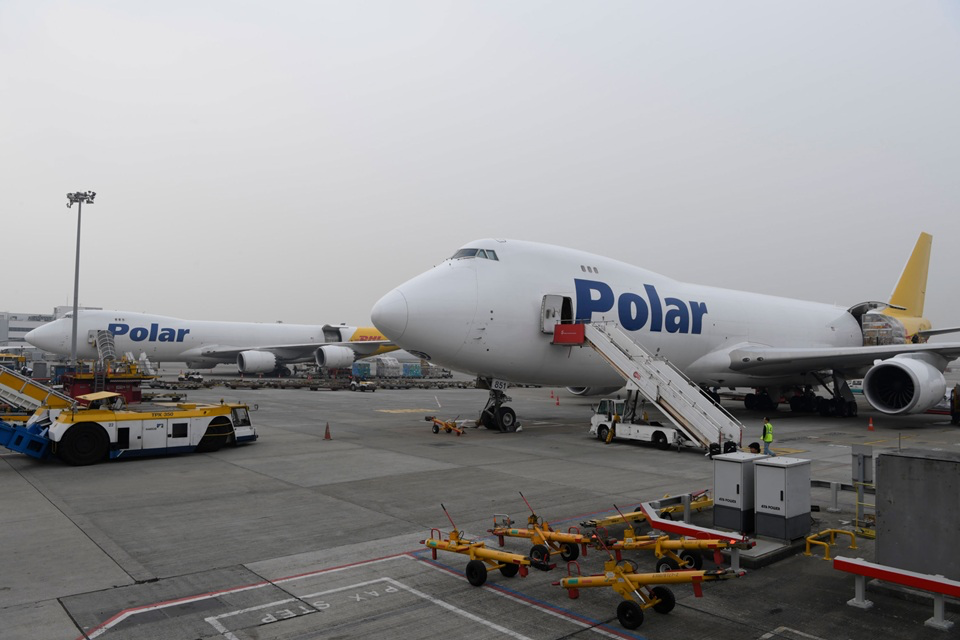
Polar Air Cargo has requested an extension from the Federal Aviation Administration (FAA) to continue operating certain non-scheduled supplemental cargo flights under domestic and flag operating rules, even when flying to airports not listed in the carrier’s official operating specifications.
The request was outlined in a letter submitted to the FAA late last year and published on the Regulations.gov portal. The application seeks to extend Exemption No. 18486B, which is currently scheduled to expire on March 31, 2026.
According to the filing, Polar Air Cargo petitioned the FAA under 14 CFR Part 11 to prolong regulatory relief from 14 CFR §119.49(a)(4)(ii). The exemption enables the cargo airline to apply domestic and international “flag” operating rules while conducting non-scheduled supplemental flights to airports not listed in its operations specifications (OpSpecs), provided the carrier continues to comply with specific conditions and limitations outlined in the existing exemption.
The request was signed by Michael Giordano, the airline’s director of flight operations specifications and regulatory administration. As of publication, no formal response from the FAA had been posted on Regulations.gov.
Regulatory framework and operational flexibility
Under U.S. aviation regulations, domestic rules apply when a U.S. airline conducts flights within the United States, while flag rules govern international services performed by a U.S. “flag carrier.”
For cargo airlines engaged in non-scheduled supplemental operations—including charter flights—operating outside airports listed in the carrier’s OpSpecs without the appropriate regulatory relief could lead to compliance breaches. Potential consequences may include regulatory violations, operational and safety risks, insurance complications, and broader legal or financial liabilities.
The exemption therefore provides operational flexibility for carriers such as Polar that conduct ad-hoc cargo missions or charters to locations not routinely included in their approved operating network.
Developments following Atlas–DHL JV decision
The FAA filing comes amid broader structural changes at Polar. February 2026 marks one year since Atlas Air Worldwide and DHL announced plans to dissolve their long-running Polar Air Cargo joint venture, which had operated for 17 years.
At the time, Atlas Air said the companies had determined that the joint venture no longer aligned with their long-term strategic priorities. The restructuring is expected to shift some operational responsibilities and roles to Atlas Air and others to DHL, while Atlas retains the Polar Air Cargo air operator certificate.
In January 2026, Atlas confirmed that the plan to unwind the joint venture remained in place, adding that Polar would continue to provide airline operational services in certain markets and for selected logistics activities.
Leadership changes have also accompanied the transition. Kersti Krepp, senior vice president and chief management officer at Polar, announced last month that she will depart the company after 24 years of service.
Current fleet and operations
Fleet data from Planespotters indicates that Polar currently operates five freighter aircraft within its network. These include three Boeing 747-8F freighters deployed for Atlas Air and two Boeing 777F freighters operating for DHL Aviation.
Operational tracking data from Flightradar24 suggests the carrier continues to maintain scheduled cargo activity across North America, even as the restructuring process with Atlas and DHL unfolds.
With the March 2026 expiration deadline approaching, the FAA’s decision on the exemption request will be closely watched by industry stakeholders, particularly as Polar navigates operational adjustments following the joint venture’s dissolution.