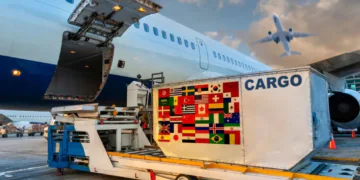

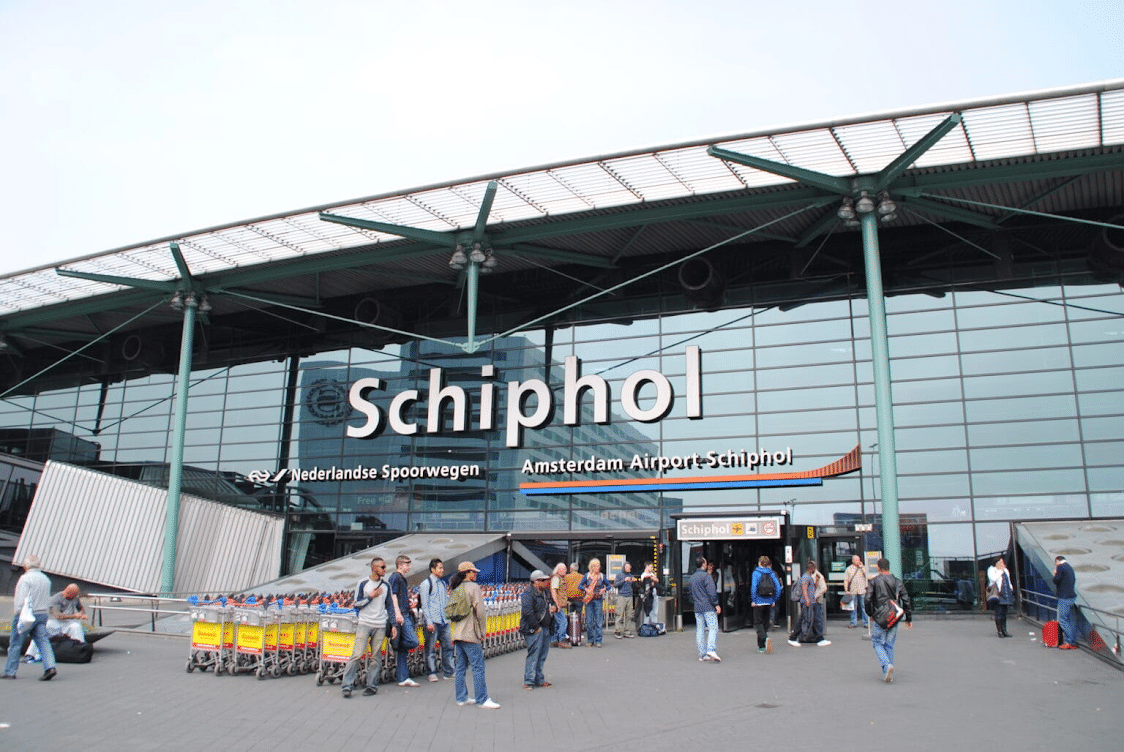
Amsterdam Airport Schiphol handled 127,750 tonnes of airfreight in September 2026, an increaseof 8% year on year, as the Dutch cargogateway continued to record growth despite changing e-commerce flows and shifting demand across international trade lanes.
The figures reported on 15 October show that Schiphol’s cargo tonnage increased by 10% year onyear over the first nine months of 2026.Maastricht Aachen Airport, also part of Royal Schiphol Group,recorded 17% growth over the same year-to-date period, reinforcing thegroup’s wider cargo network.
At Schiphol, September cargo volumes were split between belly-hold freight and dedicated freighteroperations, with belly cargo accountingfor 46% of the total and freighters contributing 54%. Ayear earlier, the respective shares were 44% and 56%, indicating a modest shifttowards cargocarried in passenger aircraft.
Related Post



The airport also handled 35,149 tonnes of road feeder service (RFS) cargo, highlighting the continuedrole of road connections in extendingthe reach of airfreight networks beyond the airport itself.
E-commerce Changes Reshape Inbound Cargo Flows
Schiphol’s September performance follows a period of adjustment in inbound shipments from theFar East after changes to the EuropeanUnion’s customs treatment of low-value imports took effecton 1 July 2026, according to the supplied market report.
The report said inbound Far East volumes improved from August after previously declining by around15% from pre-change levels. Thefigures suggest that air cargo flows are continuing to adapt tothe new customs environment, although the extent to which the regulatorychange alone explainsthe movement cannot be established from the published summary.
The commodities handled at Schiphol included electrical machinery, flowers, fish, fruit, vegetables,pharmaceuticals and spare parts. Manyof these products depend on reliable temperature-controlledhandling, reinforcing the airport’s role in supporting time-sensitive andcold-chain logistics.
Schiphol Cargo head Eduard Molkenboer attributed the airport’s continued growth to the efforts ofits cargo community, highlighting theimportance of collaboration across airlines, handlers, forwardersand other logistics partners.
Outbound Shipments Record Broad-Based Growth
Outbound cargo volumes strengthened across several major markets, with total export volumesreported to have increased by 13% year on year.
The regional breakdown showed particularly strong growth to the Americas and Africa, while theMiddle East recorded a decline.
- Far East: up 11%
- North America: up 26%
- Central and South America: up 44%
- Africa: up 20%
- Middle East: down 14%
The figures point to stronger outbound demand across multiple trade lanes, even as inbound flowsfrom Asia continue to adjust to changesin the European import environment. The divergence betweenregions also highlights the importance of monitoring individual marketsrather than relying solelyon overall tonnage growth.
Maastricht Aachen Adds to Group Cargo Growth
Maastricht Aachen Airport handled 4,158 tonnes of cargo in September, representing a reported17% year-on-year increase for the month.The airport, which forms part of Royal Schiphol Group’scargo network, provides an additional gateway for freight operators serving theNetherlands andsurrounding European markets.
Its growth complements Schiphol’s larger operation and underlines the role of regional airportsin providing additional capacity and routingoptions for cargo operators.
For Royal Schiphol Group, the September figures indicate continued momentum across its cargoactivities. The next challenge will be sustainingthat growth as customs changes reshape e-commerceflows and shippers continue to respond to shifting demand across global markets.