

Teesside International Airport has taken a decisive step toward establishing itself as a leading logistics gateway in the United Kingdom, following the launch of a new long-haul cargo partnership with European Cargo. The agreement introduces five weekly freighter services connecting the North of England directly with China, significantly strengthening the airport’s international freight capabilities and regional economic impact.
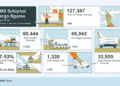
The new operation will be conducted using Airbus A340-600 freighters, each configured for high-volume cargo transport. Together, the flights will provide a combined weekly capacity of up to 375 tonnes, marking a substantial increase in throughput potential for the airport. The initiative is also expected to generate approximately 50 new jobs, reinforcing local employment in aviation and logistics.
Announced at a high-profile event attended by regional leaders, industry stakeholders, and business representatives, the partnership underscores growing confidence in Teesside’s long-term aviation strategy. The launch event featured remarks from Tees Valley Mayor Ben Houchen, alongside a panel discussion with senior figures from across the logistics and trade sectors, highlighting the broader economic implications of the development.


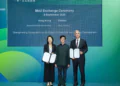
Central to the agreement is the establishment of a dedicated operational base by European Cargo at Teesside Airport Business Park. This move not only enhances operational efficiency for the carrier but also signals a long-term commitment to the region as a strategic logistics node.
Industry leaders involved in the project emphasized the collaborative approach that enabled the deal. European Cargo’s leadership pointed to the airport’s responsiveness and ability to facilitate rapid decision-making as key factors in selecting Teesside as a base for expansion into Asian freight markets.
From a regional development perspective, the new China route aligns closely with Teesside Airport’s ambition to become a major logistics hub for northern England. Its geographic advantage—supported by strong multimodal connectivity including access to the A1(M), A66, the East Coast Mainline, and nearby River Tees ports—positions the airport as a critical link in national and international supply chains.
Airport leadership described the agreement as a transformative milestone. The addition of direct cargo connectivity with China is expected to unlock new trade opportunities for UK businesses, particularly manufacturers and exporters seeking efficient routes into Asian markets.
The development forms part of a broader wave of private sector investment at Teesside International Airport. Recent projects include a £13.5 million aircraft maintenance facility by Willis Aviation Services Limited, dual aircraft painting operations established by Airbourne Colours, and the construction of a £7 million hangar by aerospace firm Draken. Collectively, these initiatives are reshaping the airport into a multifaceted aviation and industrial hub.
As global supply chains continue to evolve, Teesside’s latest expansion reflects a strategic pivot toward cargo-led growth, reinforcing its role not only as a regional asset but as an emerging player in international freight logistics.