As procurement teams across Europe confront rising geopolitical uncertainty, supply chain fragmentation, and accelerating digital transformation, logistics visibility specialist BlueBox Systems is positioning itself at the center of the conversation around data-driven procurement.
The Bonn-based supply chain intelligence provider has confirmed its sponsorship of the Procuretech Leaders Summit, where senior procurement executives from Germany and across Europe will gather in Frankfurt to examine how digital innovation, artificial intelligence, and advanced analytics are reshaping procurement from a transactional purchasing function into a strategic driver of enterprise resilience.
The summit comes at a time when procurement organizations are facing some of the most complex operating conditions in recent years. Since early 2025, global sourcing strategies have been challenged by trade disputes, tariff volatility, economic sanctions, and ongoing geopolitical disruptions, including instability across Middle Eastern trade corridors. These pressures have forced procurement leaders to diversify sourcing strategies, reduce dependency on single suppliers or regions, shorten supply chains, and adopt more agile decision-making frameworks.
Related Post



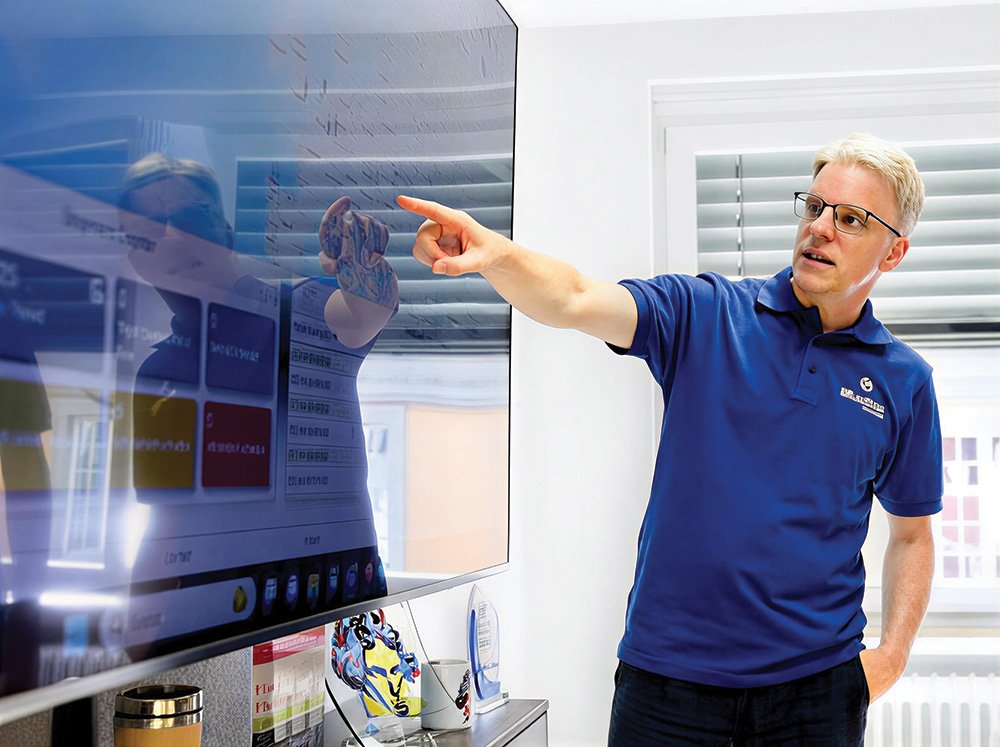
Representing BlueBox Systems at the event will be Martin Schulze, who is scheduled to join a panel of European thought leaders exploring topics including AI-driven automation, predictive analytics, sustainable procurement, global supply chain risk management, and the future of procurement in an increasingly digital economy.
Schulze’s keynote, titled “The Visibility Advantage: Building Resilient Procurement Processes,” will focus on the growing importance of high-quality, real-time logistics data in enabling procurement teams to make faster, more accurate strategic decisions.
According to the company, the increasing adoption of AI-powered procurement platforms has created new demand for precise, normalized supply chain data capable of supporting forecasting models, risk analysis, scenario planning, and supplier performance management.
“From the beginning, our focus has never been on being the lowest-cost data provider,” Schulze said. “Our priority has always been delivering accurate, validated, real-time visibility data that businesses can trust when making critical procurement decisions.”
BlueBox Systems specializes in real-time air and ocean cargo visibility, aggregating shipment tracking data across multiple transport modes to provide supply chain transparency for shippers, freight forwarders, logistics technology providers, and enterprise supply chain platforms.
The company’s emphasis on data integrity comes as market research points to growing corporate investment in AI-enabled supply chain tools. Research from Gartner indicates that more than half of global supply chains are expected to invest in artificial intelligence and advanced analytics solutions by 2026 to improve disruption management and operational competitiveness.
Meanwhile, studies from McKinsey & Company suggest that organizations adopting data-driven supply chain strategies can improve operational efficiency by as much as 20%, while businesses with mature analytics capabilities are significantly more likely to outperform industry peers financially.
Industry observers note that as procurement shifts from cost management toward strategic risk mitigation and resilience planning, access to clean, real-time logistics intelligence is becoming a competitive differentiator.
By aligning with the Procuretech Leaders Summit, BlueBox Systems is reinforcing its position not simply as a cargo visibility provider, but as an enabler of next-generation procurement ecosystems—where artificial intelligence, predictive analytics, and supply chain transparency increasingly determine business agility.
As global supply chains continue to navigate tariff disputes, capacity shortages, and geopolitical volatility, the intersection between logistics intelligence and procurement strategy is likely to become one of the defining themes of supply chain management in 2026 and beyond.