
New multimodal solution combines air freight speed with TIR-enabled cross-border trucking efficiency, enhancing cargo connectivity across the Gulf region
Gulf Warehousing Company (GWC Group) has introduced a new air-to-land logistics corridor through Hamad International Airport in Doha, creating a faster and more cost-effective multimodal cargo solution designed to strengthen supply chain resilience and improve freight connectivity across the Gulf Cooperation Council (GCC) region.
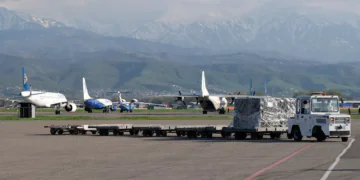
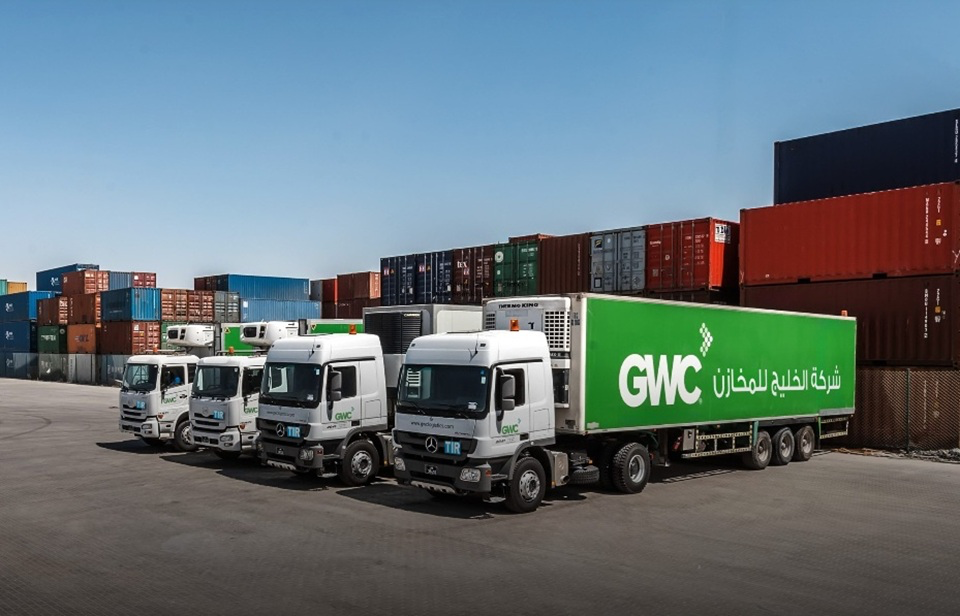
The newly established corridor enables cargo arriving by air at Hamad International Airport to be seamlessly transferred into sealed road vehicles for onward distribution across Qatar and neighbouring GCC markets, including Saudi Arabia, the United Arab Emirates, Kuwait, Oman, and Bahrain.
Related Post



By integrating international air freight services with a sophisticated cross-border road transportation network, GWC Group aims to provide businesses with a commercially attractive alternative to traditional air-to-air cargo movements, particularly for time-sensitive, high-value, and critical shipments.
A key component of the corridor is the use of the TIR (Transports Internationaux Routiers) customs transit system, an internationally recognised framework that facilitates the movement of goods across borders under a single customs declaration and financial guarantee. This significantly reduces customs delays, minimises the need for repeated inspections, and provides greater certainty and predictability throughout the delivery process.
The air-to-land model enables companies to retain the speed advantages of air freight into a central regional hub while benefiting from the lower operating costs and flexibility offered by secure cross-border trucking. The solution is particularly suited for industries where speed, reliability, and cost optimisation are essential, including e-commerce, pharmaceuticals, healthcare products, electronics, and other high-value cargo sectors.
GWC Group stated that the corridor offers a scalable and commercially sustainable logistics option capable of maintaining uninterrupted cargo flows during periods of operational challenges or disruptions to conventional transport routes.
Through rapid redistribution from a single gateway at Hamad International Airport, the model reduces dependence on traditional routing structures and allows cargo owners and freight forwarders to access multiple GCC destinations without the expense associated with maintaining entirely air-based transportation networks.
Commenting on the development, Setrak Khatchikian, Senior Vice President – GCC Transportation at GWC Group, said:
“What we have built is a commercially smarter route. GWC Group’s cross-border land freight network now enables time-sensitive cargo to move from Doha across the GCC under a single TIR document, combining the speed of air freight with the efficiency of sealed cross-border trucking. The GCC no longer has to choose between speed and cost.”
Rami Karout, Senior Manager for TIR and Transit Development at the International Road Transport Union (IRU), highlighted the importance of the initiative in supporting regional supply chain continuity.
“Qatar has demonstrated strong agility in activating new road corridors under the TIR system to keep vital goods moving across the region,” he said.
“By enabling cargo to move under a single customs document and guarantee, TIR significantly reduces border delays and enhances delivery predictability. This air-to-land model is a clear example of how TIR supports efficient, secure, and scalable cross-border logistics, particularly in periods where traditional routes are under pressure.”
The launch of the corridor reinforces Qatar’s ambitions to strengthen its position as a major regional logistics hub by leveraging the strategic capabilities of Hamad International Airport and advanced multimodal transport solutions.
As global supply chains increasingly demand greater flexibility, resilience, and cost efficiency, integrated air-and-road logistics models such as GWC Group’s new GCC corridor are expected to play a growing role in enabling seamless regional trade and ensuring uninterrupted movement of critical cargo.