
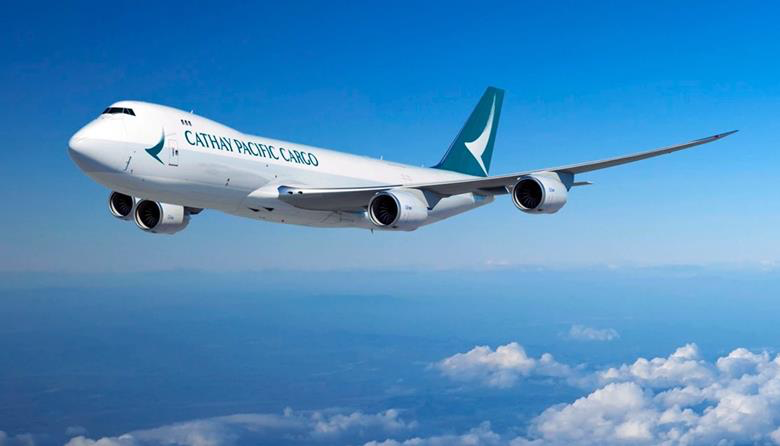
Cathay Cargo is preparing to shift its Mumbai cargo operations from Chhatrapati Shivaji Maharaj International Airport to the new Navi Mumbai International Airport as work begins to upgrade cargo facilities at the existing airport.
The airline has not confirmed whether the move will be temporary or permanent.
In an operational update published on 7 July, Tim Wong, General Manager of Cargo Service Delivery at Cathay Cargo, said the airline’s regular Mumbai cargo services will move to Navi Mumbai while refurbishment work is carried out at Chhatrapati Shivaji Maharaj International Airport.
The move comes as Navi Mumbai International Airport prepares to expand its operations, adding another major cargo gateway for the Mumbai region.
Astana Added to European Freighter Network
Cathay Cargo has also adjusted its Europe freighter network as the impact of the Middle East conflict continues.
Before the conflict, the airline’s Asia-Europe freighters regularly stopped in Dubai. When the situation in the region escalated, Cathay Cargo switched to nonstop flights between Asia and Europe.
While those direct flights kept services running, they also reduced the amount of cargo each aircraft could carry because of payload limitations.
To improve efficiency, the airline has now introduced Astana, Kazakhstan, as an intermediate stop for its Europe-bound freighter services.
The change also comes ahead of Cathay Pacific’s planned launch of passenger flights to Almaty, Kazakhstan, in early 2027.
According to Wong, Astana will serve as the temporary transit point for European freighters until the end of the summer schedule, while cargo flights through Dubai remain suspended.
He added that the airline hopes to resume Dubai freighter services once conditions in the Middle East improve.
Cathay Cargo also confirmed it will restart its freighter service to Riyadh from 1 August, marking another step in restoring its regional cargo network.
The latest network changes reflect how airlines continue to adapt their operations in response to changing geopolitical conditions while maintaining reliable cargo connections between Asia, Europe and the Middle East.