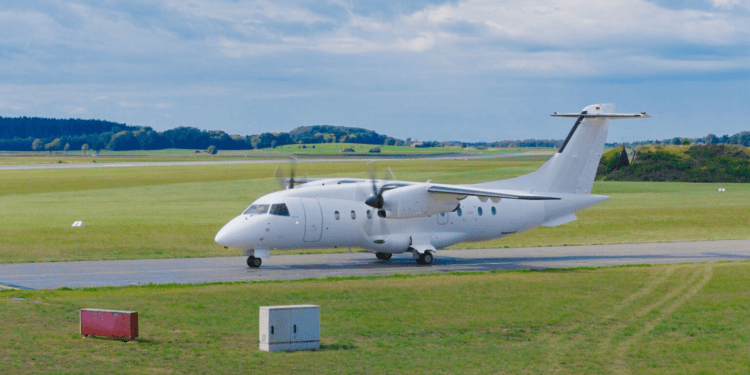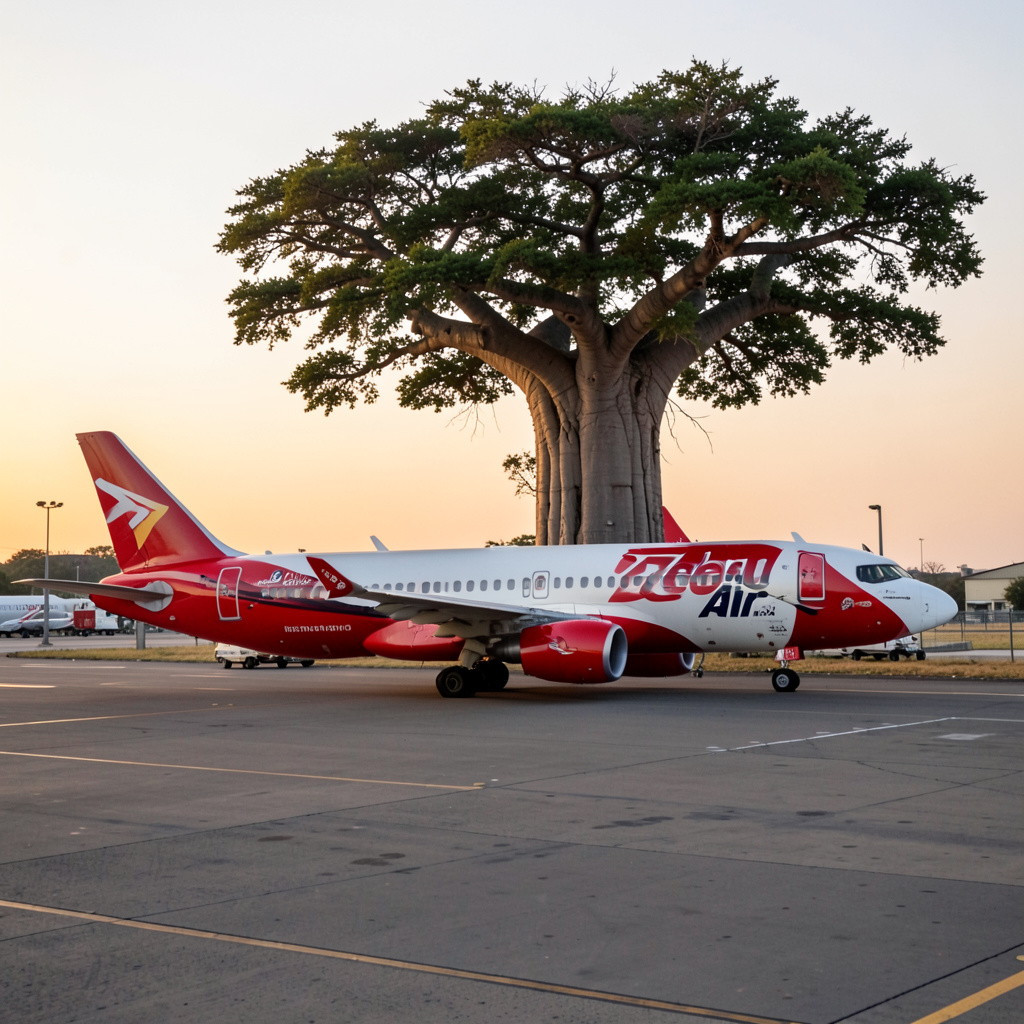
Zebu Air has strengthened its cargo operations with the introduction of its first Boeing 737-300 Freighter, marking a significant milestone in the Malawi-based carrier’s strategy to expand regional air freight services and diversify its freighter fleet. The aircraft’s delivery has been confirmed through the airline’s official announcement.
The addition of the Boeing 737-300F enhances Zebu Air’s ability to serve regional and medium-haul cargo markets while complementing its existing Ilyushin Il-76TD heavy freighter operations. The airline aims to improve operational flexibility by deploying aircraft that are better matched to varying shipment volumes across Southern and Eastern Africa.
For a landlocked nation such as Malawi, efficient air cargo connectivity plays a critical role in supporting international trade, agricultural exports and industrial supply chains. The introduction of a narrow-body freighter provides Zebu Air with a cost-effective platform for routes where operating a heavy-lift aircraft would be less economical.
Related Post


Originally designed as a passenger aircraft before being converted into a dedicated freighter, the Boeing 737-300Fremains one of the industry’s most widely used converted cargo aircraft. With a payload capacity of approximately 15.5 tonnes, it is well suited for transporting general cargo, express shipments, perishables and other time-sensitive freight across regional markets.
Its range enables efficient connectivity between Malawi and key commercial centres including Johannesburg, Nairobi, Harare and Lusaka, strengthening regional trade links while providing greater scheduling flexibility.
The aircraft also complements Zebu Air’s existing Il-76TD fleet. While the Il-76 continues to serve heavy-lift, oversized cargo, humanitarian relief and project logistics missions, the Boeing 737-300F offers a more efficient solution for scheduled regional freight services, higher-frequency operations and lower-volume cargo movements.
The new freighter is expected to support Malawi’s export-oriented industries, particularly agriculture. Products such as tobacco, fresh produce and cut flowers rely on reliable air transport and rapid transit times to regional distribution centres and international markets. The aircraft’s pressurised cargo hold and efficient turnaround capabilities make it well suited for these time-sensitive supply chains.
Beyond fleet expansion, the aircraft’s introduction reflects the broader operational considerations associated with growing dedicated cargo fleets. Successfully integrating a new aircraft type requires investment in maintenance planning, engineering expertise, spare parts inventories, technical training and long-term asset management.
For African cargo operators managing mixed fleets that include both Western-built aircraft and legacy Soviet-designed freighters, maintaining technical capability and operational readiness remains essential to ensuring fleet reliability and maximising aircraft utilisation.
As demand for dedicated freighter capacity continues to increase across Africa, airlines are increasingly adopting fleet strategies that balance heavy-lift capability with more efficient narrow-body freighters tailored to regional market requirements. Zebu Air’s latest investment reflects this trend, positioning the airline to respond more effectively to evolving cargo demand while strengthening Malawi’s role in regional air freight connectivity.