Shipments linked to artificial intelligence (AI), semiconductors and high-tech manufacturing have become the dominant users of air cargo capacity across Southeast Asia, replacing e-commerce as the primary driver of demand on key international trade lanes, according to the latest market analysis by Dimerco Express Group.
The company’s August Asia Pacific Freight Report highlights a significant shift in regional air freight dynamics, with soaring exports of AI servers, semiconductor components and advanced electronics tightening cargo capacity, particularly from Taiwan and South Korea, while cross-border e-commerce volumes continue to soften. The findings have been published in Dimerco’s latest market update.
AI Cargo Reshapes Capacity Across Asia
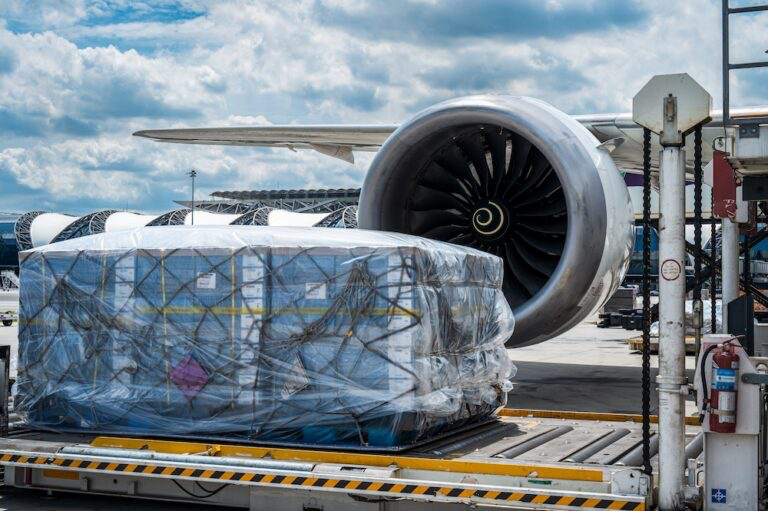
According to Dimerco, demand for AI infrastructure, semiconductor products and other high-value technology goods is placing sustained pressure on outbound air cargo capacity from Taiwan to destinations across Asia and the United States.
Related Post




South Korea is experiencing similar trends, with technology exports driving strong demand on major international trade lanes.
The report notes that freight rates from both Taiwan and South Korea have increased across virtually all major cargo corridors as available capacity remains constrained.
On Asia–US routes, aircraft are operating at approximately 90% load factors, with AI-related cargo now replacing e-commerce shipments as the principal driver of premium air freight demand.
Europe-Bound E-Commerce Demand Softens
While trans-Pacific demand continues to strengthen, cargo flows to Europe have become more balanced.
Dimerco reported that outbound capacity from Taiwan to Europe remains relatively stable, with freight rates showing limited volatility.
The shift follows the European Union’s introduction of a €3 customs duty on low-value parcels imported from non-EU countries, a policy change that has reduced demand for cross-border e-commerce shipments previously transported by air.
Recent market data from WorldACD also showed a decline in air cargo volumes between Asia Pacific and Europe, while analysis from Aevean indicated that freighter capacity into Europe has also decreased.
Kathy Liu, Vice President of Global Sales and Marketing at Dimerco Express Group, said the market has become increasingly divided.
“What we’re seeing is a market split in two. AI demand out of Taiwan just keeps climbing, while the e-commerce base that carried Europe is gone with the de minimis change.”
Southeast Asia Enters Peak Season Under Capacity Pressure
Beyond North Asia, Southeast Asian markets are also experiencing robust cargo demand as exporters prepare for the traditional peak shipping season.
Thailand remains one of the region’s tightest air freight markets, with limited capacity and rising rates across services to Asia, Europe and both the East and West Coasts of the United States.
Singapore is experiencing cargo backlogs on Europe-bound services, while Kuala Lumpur International Airport and Penang International Airport continue to face constrained capacity on routes serving Asia and North America.
India is also reporting increasing pressure on outbound cargo capacity, particularly on services to Europe and North America, reflecting sustained export demand.
Mixed Conditions Across Global Markets
Elsewhere in Asia, Dimerco said capacity from North China and Hong Kong to the United States has improved, contributing to lower freight rates.
South China is currently benefiting from adequate cargo capacity and relatively stable pricing.
Australia, meanwhile, continues to experience softer demand, with sufficient capacity available across its principal international trade lanes and generally stable freight rates.
On westbound routes, demand from Europe to Asia remains subdued, resulting in stable pricing.
However, air freight rates from the Netherlands, Germany and the United Kingdom to both US coasts have begun to increase as exporters prepare for seasonal demand.
North America is also entering its traditional peak season, with significant congestion reported on outbound cargo services.
According to Dimerco, shipments from Chicago to Asia and Europe are experiencing backlog conditions, while capacity on routes from New York to Europe has reached critical levels.
AI Continues to Transform Air Cargo Markets
The latest analysis reinforces a broader shift underway across the global air freight industry, where demand generated by AI infrastructure investment is increasingly replacing e-commerce as the principal source of premium cargo volumes.
As semiconductor manufacturers and technology companies accelerate production of AI chips, servers and advanced computing equipment, airlines and freight forwarders are prioritising capacity on high-yield technology corridors linking Asia with North America and other major global markets.
Industry analysts expect this trend to continue as investment in artificial intelligence infrastructure remains one of the strongest drivers of international air cargo demand.