
The new aircraft strengthens the carrier’s widebody cargo capacity as it prepares for the eventual introduction of 10 Airbus A350F freighters.
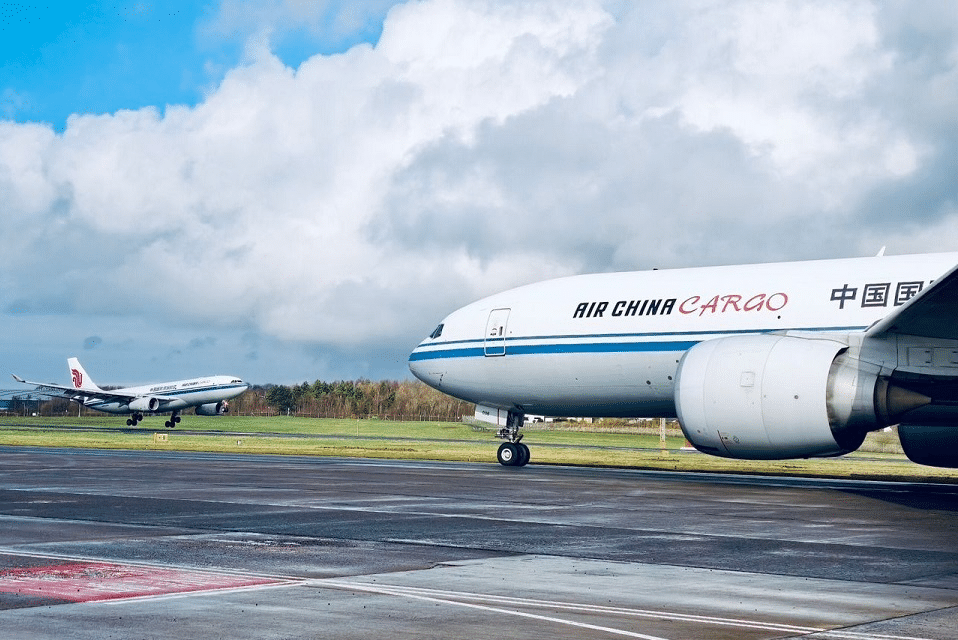
Air China Cargo has expanded its freighter fleet with the delivery of another Boeing 777F, bringing the number of aircraft of the type in its fleet to 14 as it continues to develop its international cargo operations.
The newbuild aircraft, registered B-229D, was delivered on 1 October 2026. Built at Boeing’s Everett facility in Washington state, it flew from Seattle Paine Field International Airport to Beijing Capital International Airport, where it joined the Beijing-headquartered carrier.
Related Post

The addition reinforces Air China Cargo’s reliance on the Boeing 777F for long-haul freight operations. With a published maximum payload capacity of around 102 metric tonnes and a range of approximately 9,200 kilometres, the aircraft is designed to move substantial cargo volumes across long-distance routes.
For Air China Cargo, the latest delivery provides additional widebody capacity to support its network while the company pursues a broader fleet development programme. Its current freighter fleet comprises 14 Boeing 777Fs, eight Airbus A330-200 passenger-to-freighter conversions and two Boeing 747-400Fs, according to fleet records.
Fleet growth supports international operations
The Boeing 777F has become an important part of the airline’s cargo operation, combining payload capacity with the range required to connect major markets. Additional aircraft can give the carrier more flexibility in scheduling, capacity planning and responding to changes in freight demand.
The latest delivery also comes as airlines and cargo operators continue to assess how best to balance existing freighter types with newer aircraft designed to improve efficiency and meet evolving environmental requirements.
For Air China Cargo, that longer-term direction is reflected in its order for the Airbus A350F. In May 2026, Airbus confirmed that the carrier had ordered four additional A350F freighters, taking its total order for the type to 10. The airline initially ordered six aircraft in November 2025.
The A350F is intended to complement the carrier’s existing A330-200P2F fleet, with the new-generation aircraft expected to support medium- and long-haul cargo operations. Airbus lists a maximum payload of up to 111 tonnes and a range capability of up to 8,700 kilometres for the A350F.
The order points to a planned evolution of the fleet rather than an immediate replacement of the Boeing 777F. Until the new aircraft enter service, the existing freighters will remain central to the airline’s capacity and network planning.
Industry demand sustains the 777F market
Air China Cargo’s latest delivery also comes amid continued demand for large freighters. The Boeing 777F remains an established option for operators seeking high payload capacity and long-range performance, particularly on routes connecting major manufacturing and consumption markets.
Boeing has continued to produce and deliver the type while developing the next-generation 777-8 Freighter. In September 2026, the US Federal Aviation Administration granted Boeing an emissions exemption that allows continued production and sales of the 777F beyond the end of 2027, providing a bridge while the manufacturer works towards the newer model.
The decision is relevant to airlines planning fleet growth because it provides greater clarity over the continued availability of the current aircraft type. Operators must still weigh aircraft acquisition costs, operating efficiency, maintenance requirements and future regulatory obligations when making fleet decisions.
For cargo airlines, fleet strategy is closely linked to network development. New aircraft can support increased frequencies or additional destinations, but their commercial value depends on demand, available capacity and the ability to maintain reliable operations across the network.
Preparing for the next generation
Air China Cargo’s fleet programme combines immediate capacity additions with longer-term investment in newer aircraft. The delivery of B-229D strengthens the carrier’s existing Boeing 777F operation, while the 10 Airbus A350Fs on order provide a future platform for fleet renewal and capacity development.
The two approaches reflect the different timelines involved in cargo fleet planning. Existing aircraft support current operations, while new-generation freighters require longer-term planning around production schedules, infrastructure, maintenance and operational integration.
As international air freight demand evolves, Air China Cargo will need to balance capacity growth with efficiency and network requirements. The latest Boeing 777F delivery provides another aircraft for that task, while the A350F order signals the company’s longer-term direction.
For now, the 14th 777F is a practical addition to the carrier’s active fleet, strengthening its ability to move cargo over long distances as it prepares for the next phase of its fleet development.