
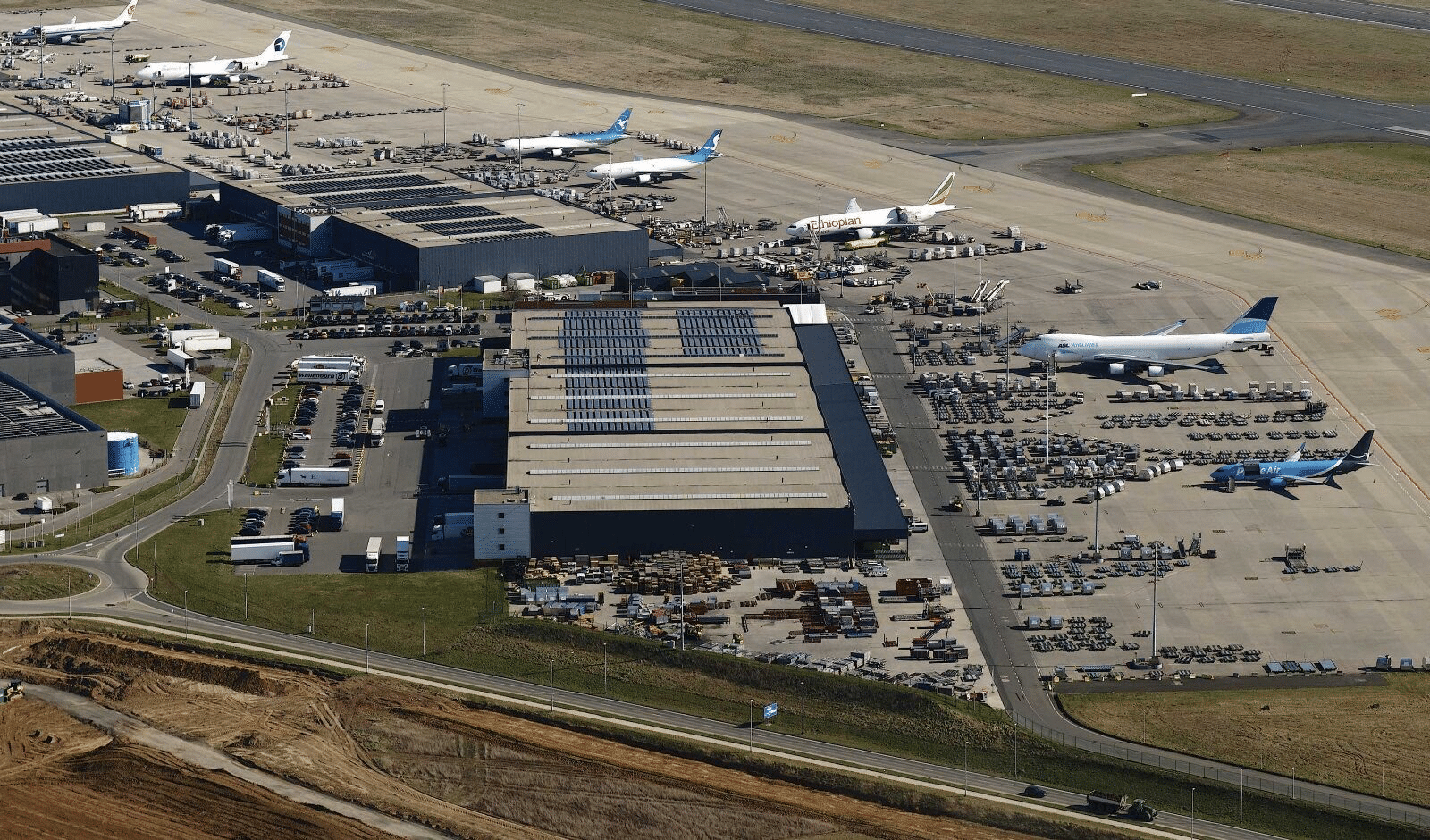
CargoLand by LGG at Liège Airport in Belgium has handled more than 10,000 tonnes of pharmaceutical cargo destined for Chicago O’Hare International Airport since the introduction of scheduled services in early 2026, highlighting the growing role of specialised air freight networks in international healthcare logistics.
The shipments include temperature-sensitive medicines such as insulin and vaccines, which require controlled storage, careful handling and reliable transit times throughout the supply chain.
Frédéric Brun, vice-president of sales and marketing at Liège Airport, attributed the growth to the consistency of the scheduled service and the airport’s operational reliability.
Related Post



According to Brun, the three weekly Liège–Chicago–Dubai freighter rotations are operating with full loads on both outbound and return sectors.
The traffic largely consists of pharmaceutical shipments transferred from other airports rather than newly generated freight. The development nevertheless points to increasing use of Liège as a gateway for pharmaceutical supply chains serving North America.
Cold-chain procedures reduce handling exposure
CargoLand by LGG has established service-level agreements with pharmaceutical customers to limit the time sensitive products spend outside temperature-controlled environments.
Under the standard process described by Brun, shipments are exposed to ambient conditions for approximately 20 minutes during transfer from trucks to refrigerated storage and a further 20 minutes when moving from refrigeration to aircraft loading.
The procedures are designed to reduce temperature excursions and minimise risks to products that require strict environmental controls.
Liège’s pharmaceutical logistics operations combine specialised storage, coordinated ground handling and direct access to the airport’s aircraft stands. The airport also operates around the clock, providing flexibility for time-critical shipments and changing transport requirements.
Brun said the airport had developed its pharmaceutical handling processes around existing infrastructure and accumulated operational expertise, with the aim of simplifying transfers and reducing the number of parties involved.
The approach is particularly relevant for medicines with differing temperature requirements, for which consistent handling procedures are essential to maintaining product integrity.
CEVA consolidates pharmaceutical shipments at Liège
Logistics provider CEVA is among the companies using Liège to consolidate pharmaceutical shipments collected from manufacturing sites in France and Germany.
Cargo is brought together at CargoLand by LGG and prepared for onward air transport, allowing shipments from multiple locations to be coordinated through a single cargo hub.
The airport’s 24-hour operating model also supports urgent shipments, relief operations and the introduction of new products into international markets, including Brazil.
Liège has been pursuing a diversification strategy to expand specialised cargo activities, with pharmaceuticals emerging as a significant growth segment. Brun said pharmaceutical volumes moving through the airport had increased by more than 120% since the strategy began to take effect.
The expansion reflects the airport’s efforts to develop cargo services around specific industry requirements rather than relying solely on traditional freight volumes.
New markets targeted for pharmaceutical freight
CargoLand by LGG plans to develop its freighter network in line with pharmaceutical customers’ needs, connecting production centres with markets requiring dependable access to medicines.
Existing links with African markets could provide opportunities to transport pharmaceutical products on return flights. Some of these connections were initially developed to support the movement of flowers, creating potential for more balanced cargo flows.
India is also among the markets being considered for future network development. Liège sees scope to serve additional destinations where pharmaceutical demand can be matched with available freighter capacity.
The airport said cargo handlers operating within its network hold CEIV Pharma certification, the pharmaceutical logistics quality programme developed by the International Air Transport Association (IATA). The certification framework supports consistent standards for handling temperature-sensitive healthcare products.
Liège’s pharmaceutical expansion forms part of a broader effort to strengthen its position in the European air cargo market through specialised services, airline partnerships and coordination among freight forwarders, handlers and other logistics providers.
With scheduled transatlantic freighter capacity and established cold-chain processes, the airport is seeking to attract additional pharmaceutical flows while improving connectivity between European manufacturing centres and international healthcare markets.