
Industry leaders are pressing Boeing, Airbus and aircraft conversion specialists to address a looming replacement challenge for the Boeing 767 freighter fleet, with a potential 787-based cargo aircraft emerging as a leading option.
Air cargo executives are calling for the development of a new-generation midsize freighter as concerns grow over the long-term future of the Boeing 767, a key aircraft type in the global cargo fleet.
The issue came into focus at the Cargo Facts Symposium in Nashville, Tennessee, held from 21 to 23 October 2026, where airline executives and aircraft specialists discussed the need for a modern replacement offering improved fuel efficiency and operational economics.



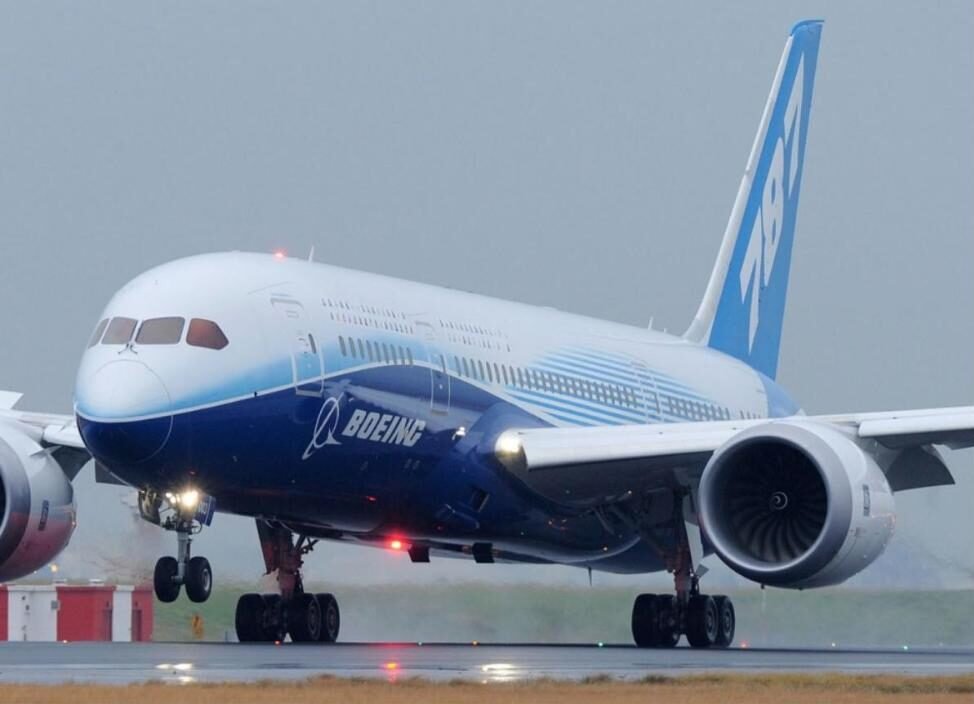
The Boeing 787 has emerged as a potential candidate, either through a passenger-to-freighter conversion programme or a purpose-built cargo variant. However, any programme would face technical, financial and aircraft-supply challenges before it could enter commercial service.
Boeing 787 seen as a potential solution
The 767 remains an important platform for operators serving medium-haul routes and markets that do not require the capacity of larger widebody freighters. However, operators are increasingly concerned about the availability of suitable replacement aircraft as the existing fleet ages and the supply of new 767s approaches its limits.
LATAM Cargo Group chief executive Andres Bianchi has warned that the airline’s 767 freighters will not be sufficient to support its operations into the second half of the 2030s. The carrier operates 20 767 freighters and has the potential to add nine more through passenger-aircraft conversions.
Air Transport Services Group chief executive Greg Mays has also backed the idea of converting the 787 into a freighter. Boeing has previously said it continues to evaluate future midsize widebody freighter options and views the 787 as a natural aircraft to consider.
A 787 freighter programme would nevertheless require close cooperation between Boeing and any conversion specialist. The aircraft’s composite fuselage and advanced systems make modification more complex than conversions involving older, conventional airframes.
A330neo cargo variant also under consideration
The Boeing 787 is not the only aircraft attracting interest. Some industry participants have also pointed to a freighter version of Airbus’ A330neo as a possible alternative for operators seeking modern midsize widebody capacity.
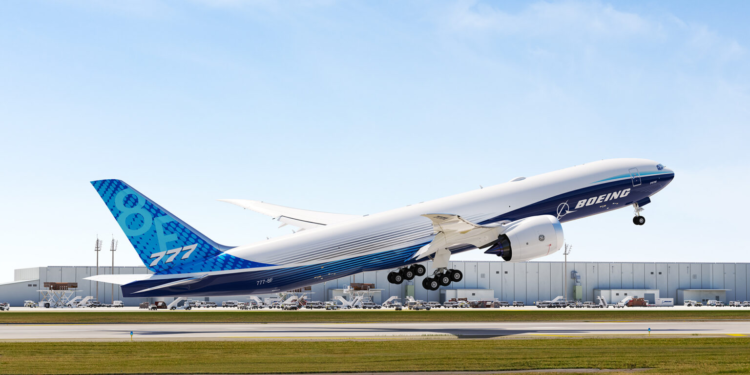
At present, both manufacturers are developing or advancing larger freighters. Boeing’s 777-8 Freighter is intended for the large-capacity market, while Airbus is progressing with its A350F, which is targeting entry into service in the second half of 2027.
The focus on larger aircraft has left operators seeking a clearer long-term solution for the midsize segment, where fleet replacement needs may not always justify the cost and capacity of a larger freighter.
Technical and commercial hurdles remain
Developing a 787 passenger-to-freighter conversion would require significant engineering investment, certification work and access to suitable donor aircraft. Strong demand for passenger-configured 787s could also limit the availability of used aircraft for conversion.
Conversion specialists have indicated that working directly with Boeing could reduce programme complexity, cost and development time. Even with manufacturer support, however, a new conversion programme would take years to reach the market.
For airlines, the challenge is to secure dependable midsize cargo capacity before ageing 767s become increasingly expensive to maintain or retire from service. The industry is therefore looking to aircraft manufacturers and conversion companies for a solution that balances payload, fuel efficiency, acquisition cost and network flexibility.
No confirmed launch date or formal development programme for a 787 freighter has been announced. For now, the aircraft remains a potential option rather than an available replacement, leaving operators to plan around an uncertain transition for the midsize freighter fleet.