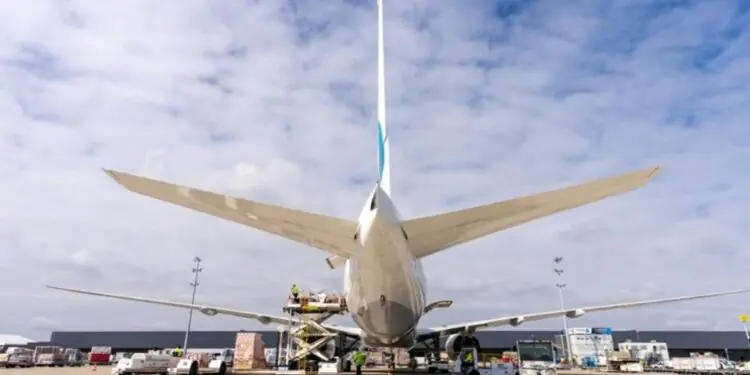

More than 330 aircraft are now in service, with the fleet accounting for around 40% of global freighter capacity, according to Boeing
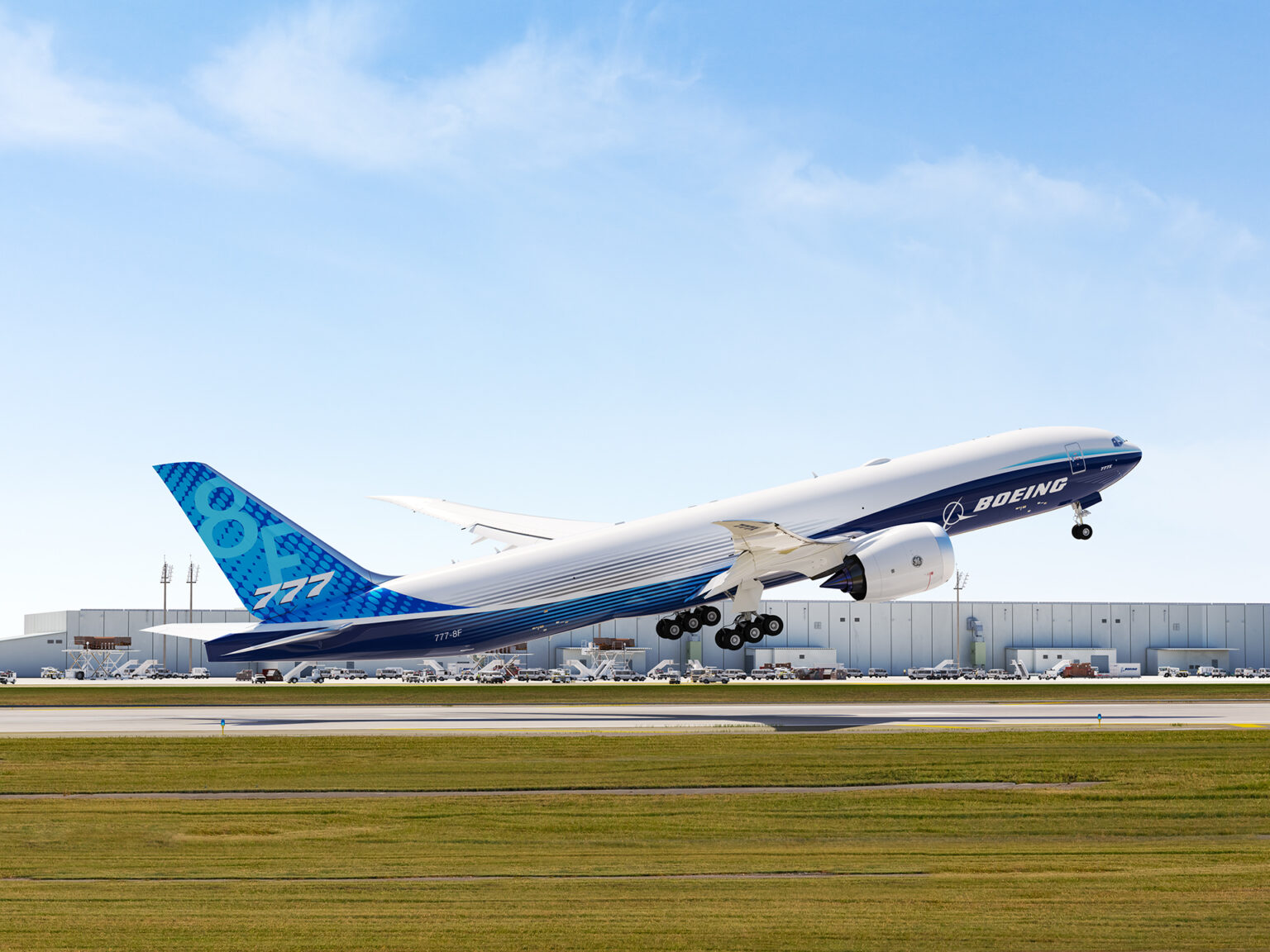
The Boeing 777 Freighter has overtaken the 747 Freighter to become the world’s most widely operated freighter aircraft, marking a significant shift in the composition of the global air cargo fleet.
Boeing said the number of in-service 777 Freighters has surpassed 330 following recent deliveries. The manufacturer estimates that the fleet accounts for approximately 40% of global freighter capacity and carried goods valued at around US$4 trillion in 2025. These figures are based on Boeing’s own assessment.
Related Post




The development marks a new chapter for Boeing’s widebody freighter family. The 747 has played a central role in long-haul cargo transport for decades, while the twin-engine 777F has gained ground through its payload capability, range and operational efficiency.
Since entering service in 2009, the 777 Freighter has become a major aircraft for airlines operating long-distance cargo networks. Boeing says more than 450 firm orders have been placed for the 777 Freighter and the next-generation 777-8 Freighter combined.
Capacity for specialised cargo
The 777F’s capabilities extend beyond conventional palletised freight. According to Boeing, the aircraft can accommodate up to 78 horses in 26 stalls or more than 22 racecars, illustrating its suitability for specialised and high-value shipments.
Boeing also reported that the most heavily utilised aircraft in the 777F fleet flew 6,250 hours in 2025—an average of more than 17 hours per day. This figure refers to the fleet’s utilisation leader, rather than the combined flight hours of all 777 Freighters.
The fleet’s scale and utilisation underline the importance of widebody freighters to international supply chains, including the movement of electronics, pharmaceuticals, fresh produce, industrial components and other time-sensitive goods.
Competition set to intensify
Boeing’s milestone comes as Airbus advances its entry into the new-generation large-freighter market with the A350F. The aircraft completed its maiden flight on September 29, 2026, and has entered a flight-test campaign intended to validate its performance and systems. Airbus has said the programme involves more than nine months of testing, with first deliveries targeted for 2027.
The A350F is designed to carry a payload of up to 111 tonnes, with a range of up to 8,700 kilometres. Airbus says its use of advanced materials and the Rolls-Royce Trent XWB-97 engine will deliver lower fuel consumption and carbon emissions than competing aircraft with similar payload-range capabilities.
Aviation advisory firm IBA has estimated the market value of a new A350F delivered in 2027 at US$197 million to US$198 million, with monthly lease rates projected at US$1.53 million to US$1.55 million. For comparison, IBA estimates the value of a new-delivery 2026 Boeing 777F at around US$170 million, with monthly lease rates of approximately US$1.35 million. These are market estimates, not confirmed transaction prices.
As Airbus prepares the A350F for entry into service and Boeing develops the 777-8 Freighter, competition in the large-freighter market is likely to focus on payload, range, fuel efficiency, operating economics and delivery schedules. The 777F’s growing in-service fleet gives Boeing a substantial current presence, while the next generation of aircraft will shape the market’s longer-term development.