
Abu Dhabi-based Barq Group has signed an aircraft purchase agreement with US aerospace technology developer Elroy Air for up to 20 Chaparral autonomous hybrid-electric cargo drones in a deal valued at up to US$70 million.
The agreement marks a significant step towards expanding autonomous heavy-cargo aviation across the Middle East and North Africa (MENA), with deliveries scheduled to begin in 2027.
The agreement covers five firm aircraft orders and deposit-backed production slot reservations for an additional 15 aircraft. The initial deposit arrangement totals US$10.25 million, with Barq Group committed to funding 50% of the purchase price of each of the five firm-order aircraft through the initial deposit.
Related Post

The five firm orders represent a purchase commitment of US$17.5 million, based on an aircraft price of US$3.5 million each. The remaining 15 aircraft are reserved production slots that Barq can exercise at its discretion, subject to the agreement’s terms and payment conditions.
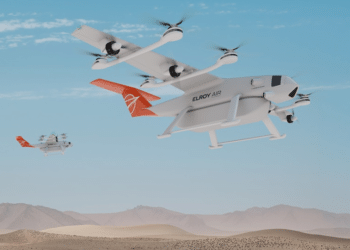
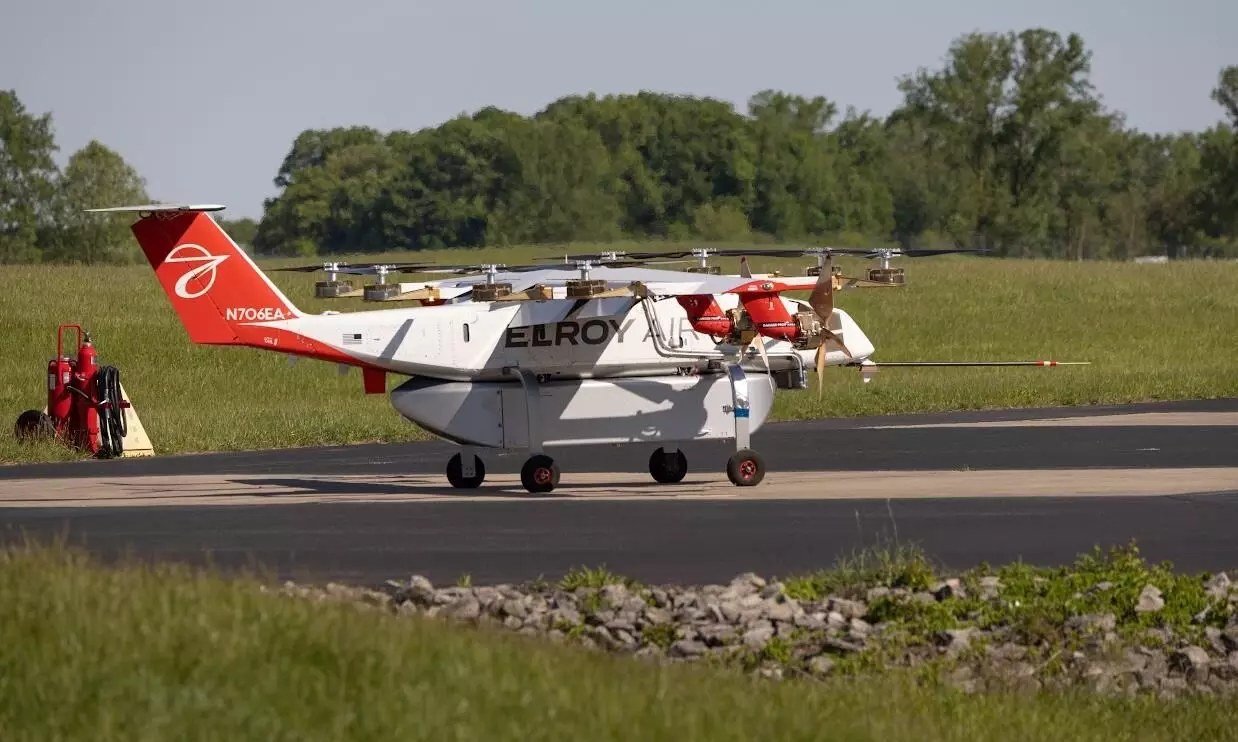
The Chaparral is an autonomous hybrid-electric vertical take-off and landing (VTOL) aircraft developed to transport heavy cargo without requiring conventional runways or an onboard pilot. Designed for military resupply, emergency response and commercial logistics, the aircraft is intended to serve remote, difficult-to-access and infrastructure-limited locations.
Chaparral Designed for Heavy-Cargo Operations
Elroy Air’s Chaparral is designed to carry payloads of up to 500 pounds (approximately 227 kg) over distances of up to 450 miles (approximately 724 km).
Its hybrid-electric propulsion system combines electric power with onboard energy generation, eliminating the need for dedicated charging infrastructure while providing the flexibility required for extended cargo operations.
The aircraft’s VTOL capability allows it to operate from locations without established runways, making it suitable for applications including military logistics, offshore energy support, disaster relief and the transportation of critical supplies to remote communities.
The autonomous platform is also being positioned as a potential lower-cost alternative to crewed helicopter operations, particularly for missions involving repetitive heavy-cargo transportation and locations where conventional logistics infrastructure is limited.
Ahmed AlMazrui, Founder and CEO of Barq Group, said the UAE’s early investment in autonomous technologies, supported by initiatives such as Abu Dhabi’s Smart and Autonomous Vehicle Industries (SAVI) cluster and Make it in the Emirates, had helped create the conditions for introducing advanced aircraft technologies into the region.
He said the partnership with Elroy Air would support the development of autonomous cargo transportation across the Middle East and North Africa while strengthening Abu Dhabi’s position as an international centre for autonomous aviation.
Kratos to Manufacture First 20 Aircraft
Production of the Chaparral aircraft will be undertaken by Kratos Defense & Security Solutions, Elroy Air’s exclusive US manufacturing partner.
The first 20 aircraft destined for Barq Group will be manufactured at Kratos’ expanding production facility in Sacramento, California. Initial aircraft production is scheduled to commence in late 2026, with deliveries to Barq Group expected to begin in 2027.
The manufacturing arrangement is an important component of the programme, as the companies seek to establish a production pathway capable of supporting the aircraft’s introduction into international markets.
Elroy Air CEO Andrew Clare said the Middle East and North Africa represented an important logistics market, with Barq Group playing a leading role in the region’s transition towards autonomous mobility.
He described the agreement as a major step in expanding the Chaparral’s international reach, adding that the partnership would advance the use of autonomous aircraft to move critical cargo across long distances and challenging terrain more efficiently than conventional platforms.
Proposed US$200 Million Abu Dhabi Manufacturing Joint Venture
The aircraft purchase agreement builds on an earlier collaboration between the two companies, which established a framework for a proposed US$200 million joint venture to develop a manufacturing and services facility in Abu Dhabi.
The proposed facility is intended to support the production, servicing and distribution of Chaparral aircraft across the MENA region, creating a regional industrial and operational base for the programme.
However, the joint venture remains subject to definitive agreements and regulatory approvals.
The companies have also entered into a separate warrant agreement linked to regulatory development and the expansion of the aircraft’s market presence in the UAE.
Under the arrangement, Barq Group is eligible to earn up to five million warrants in Elroy Air, at an exercise price of US$12 per share, subject to performance-based vesting milestones.
The agreement forms part of Elroy Air’s broader corporate development plans, including a proposed business combination with Inflection Point Acquisition Corp. VII and a planned Nasdaq listing under the ticker symbol ELRY, subject to shareholder and regulatory approvals.
Advancing Autonomous Air Cargo in the MENA Region
The Barq Group order highlights growing interest in autonomous aircraft as an additional option for heavy-cargo transportation, particularly in markets where geographical distances, limited infrastructure and operational requirements create challenges for conventional logistics networks.
For the MENA region, the proposed deployment of Chaparral aircraft could open new opportunities in defence logistics, emergency response, offshore energy supply chains and commercial freight transportation.
The combination of an initial aircraft purchase commitment, additional reserved production capacity and plans for a potential Abu Dhabi manufacturing facility provides a foundation for expanding the programme beyond aircraft procurement towards regional production and support capabilities.
Nevertheless, the aircraft’s commercial deployment will depend on certification, regulatory approvals, production readiness and successful completion of the required operational and performance testing.
With initial production expected to begin in late 2026 and customer deliveries planned from 2027, the partnership represents an important development in the emerging market for autonomous heavy-lift cargo aviation.