
Key Highlights
- Cargo revenue strengthens despite lower capacity: Air France-KLM Cargo delivered a solid second-quarter performance as reduced industry capacity caused by disruptions in the Middle East supported stronger yields, while demand remained resilient across key cargo markets.
- High-tech and premium shipments drive growth: Demand for high-value technology products, pharmaceuticals and other specialised cargo continued to underpin volumes, particularly on Asia-Europe trade lanes where capacity remained constrained.
- Capacity reductions tighten market: Ongoing geopolitical tensions in the Middle East reduced available cargo capacity across several international routes, creating favourable market conditions for European carriers able to maintain network connectivity.
- Yield improvement offsets volume pressure: While cargo volumes remained affected by network disruption, disciplined capacity management and higher freight rates helped offset lower tonnage and supported overall cargo profitability.
- Long-term network strategy continues: Air France-KLM is maintaining investment in its global network and cargo capabilities while adjusting capacity forecasts to reflect the continuing geopolitical and operational challenges affecting international aviation.
Air France-KLM Cargo Benefits from Capacity Constraints and High-Tech Demand in Second Quarter
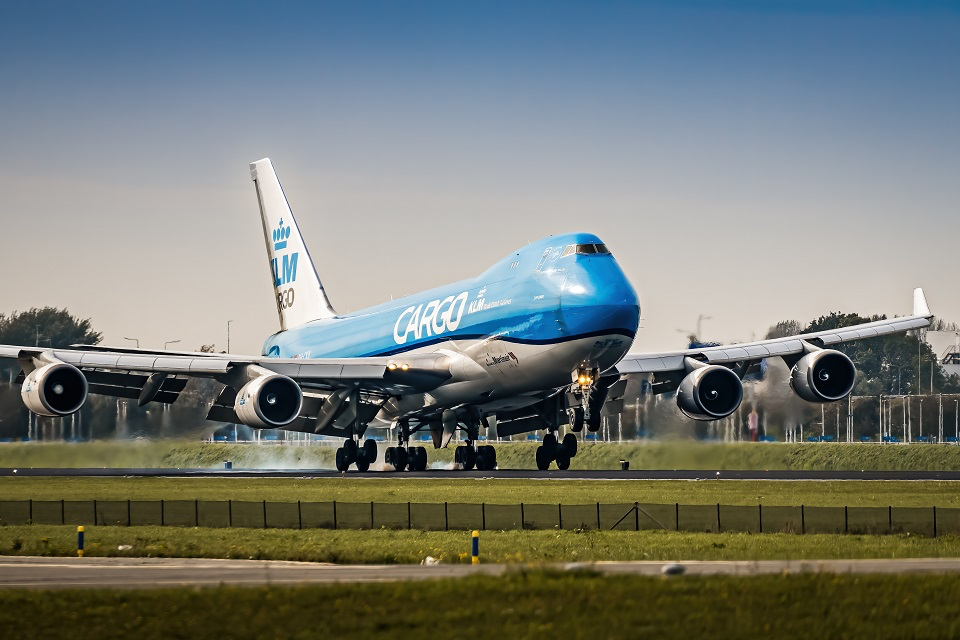
Air France-KLM’s cargo business delivered a resilient performance during the second quarter of 2026, benefiting from tighter global airfreight capacity, sustained demand for high-value shipments and disciplined yield management despite continued operational disruption linked to geopolitical tensions in the Middle East.
While the airline group revised its overall capacity outlook for the year due to the continuing impact of Middle East disruptions, its cargo operations were supported by favourable market dynamics as reduced industry capacity helped strengthen freight rates across several major trade lanes.
The performance reflects broader trends across the global air cargo market, where supply constraints have coincided with resilient demand for time-sensitive and technology-driven shipments.
Related Post


Capacity Constraints Support Cargo Yields
Disruptions affecting Middle Eastern airspace continued to reshape international cargo flows during the quarter, reducing available capacity on several global routes and tightening supply across the market.
For European carriers such as Air France-KLM, the constrained operating environment contributed to improved cargo yields as available capacity became more limited, particularly on Asia-Europe services. Industry data also showed Middle Eastern cargo operators experiencing significant declines in both capacity and demand during the period.
Despite lower overall cargo volumes resulting from network disruption, stronger pricing helped offset the impact of reduced capacity and supported revenue performance.
High-Tech Shipments Remain a Key Growth Driver
Demand for high-value cargo continued to provide important support for Air France-KLM’s freight business during the quarter.
Technology products, electronics, pharmaceuticals and other time-critical shipments remained among the strongest-performing cargo segments, particularly on Asia-linked trade lanes where manufacturing exports continued to generate steady airfreight demand.
The continued growth of advanced manufacturing and semiconductor supply chains has reinforced demand for reliable premium air cargo services, allowing airlines with established international networks to capture higher-value freight movements.
Adapting to a Changing Operating Environment
Although passenger operations continued to face challenges from geopolitical developments, Air France-KLM has maintained a disciplined commercial approach across both passenger and cargo businesses.
The airline group reported stronger-than-expected second-quarter operating performance while reducing its full-year capacity forecast to reflect the continuing impact of regional instability and operational constraints. Management highlighted ongoing investment in network development and long-term strategic growth despite the uncertain environment.
For the cargo division, maintaining network flexibility and optimising available capacity remain central to supporting customer demand across global trade lanes.
Outlook Remains Positive
Industry forecasts suggest that global air cargo demand continues to recover, supported by resilient international trade and strong manufacturing activity across Asia, Europe and North America.
While geopolitical uncertainty continues to affect parts of the global aviation network, constrained capacity has helped sustain healthy cargo yields, providing opportunities for airlines with diversified international operations and established freight networks. According to IATA, European carriers continued to record healthy cargo demand growth during the second quarter even as Middle Eastern operators experienced significant declines linked to regional disruption.
As supply chains continue to prioritise speed, reliability and resilience, Air France-KLM Cargo remains well positioned to benefit from demand for premium airfreight services while continuing to adapt its network to evolving market conditions.