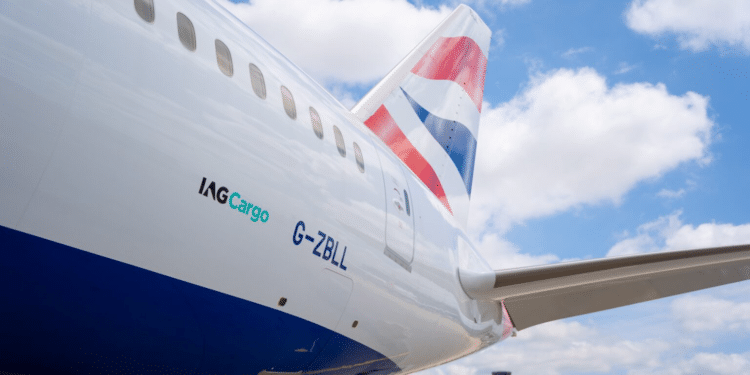

Amazon Air has unveiled Odyssey, its first factory-built Boeing 767-300 Freighter to enter service in the dedicated Amazon Air Cargo livery, marking another milestone in the company’s expanding air freight strategy.
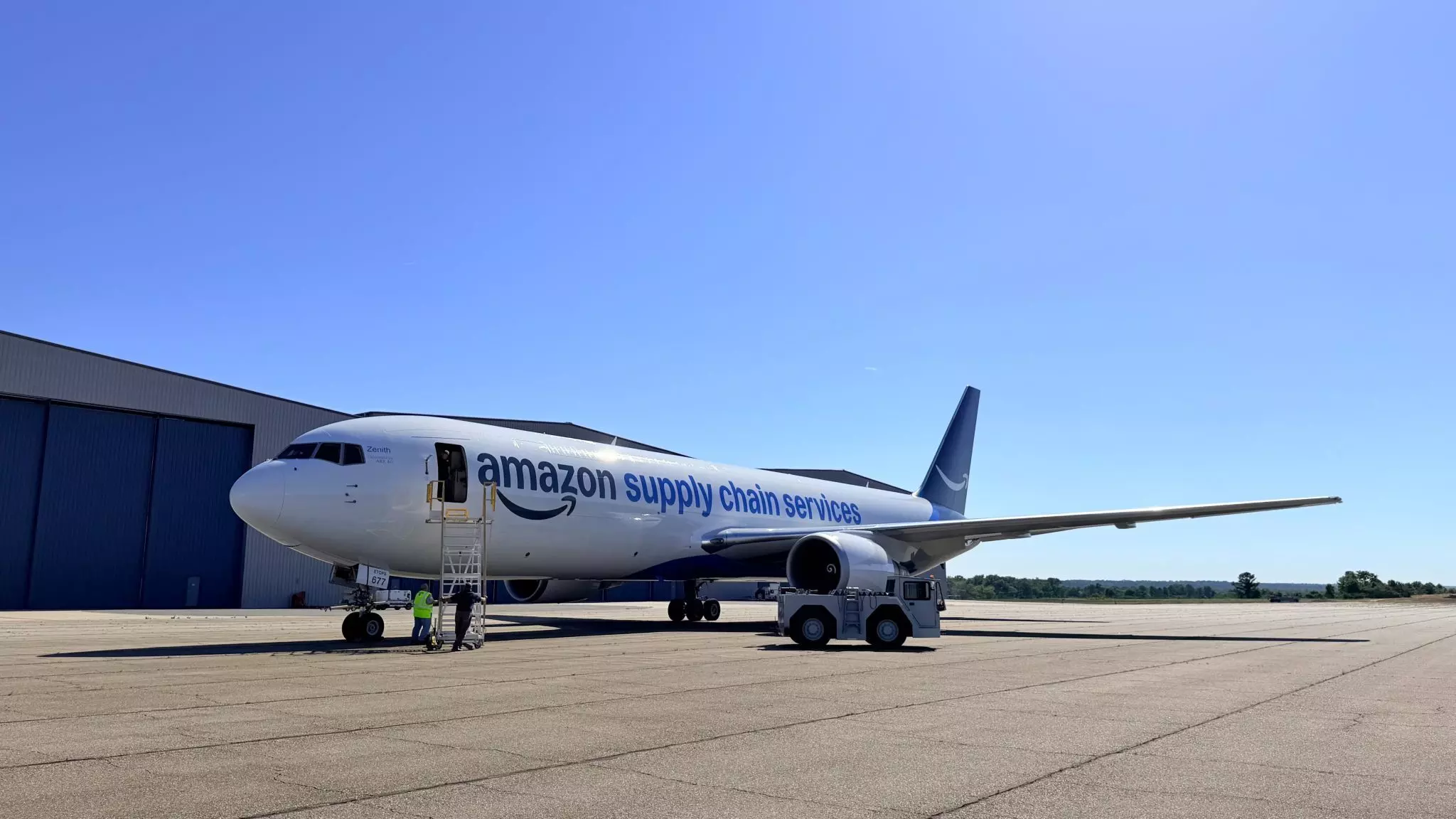
The aircraft is one of three newly built Boeing 767-300Fs joining Amazon Air’s fleet, alongside sister aircraft Zenithand Soar, each carrying a distinct branding that reflects different parts of Amazon’s growing logistics ecosystem. The new aircraft represent the first factory-built Boeing freighters delivered directly to Amazon Air, replacing the carrier’s historical reliance on converted passenger aircraft.
Announcing the milestone, Raoul Sreenivasan, vice president of Amazon Air Cargo, described Odyssey as the company’s first factory-built aircraft to feature the Amazon Air Cargo brand, highlighting the aircraft’s journey from Boeing’s production line to commercial service.
Related Post

Three Aircraft, Three Brands
While all three aircraft are Boeing 767-300 Freighters, each has been assigned a unique visual identity.
Odyssey carries the latest Amazon Air Cargo branding, representing the division through which Amazon markets cargo capacity to third-party freight forwarders and shippers in addition to transporting the company’s own e-commerce shipments.
Zenith features the Amazon Supply Chain Services livery, reflecting the company’s broader end-to-end logistics and supply chain solutions.
Meanwhile, Soar retains the original Prime Air branding that accompanied Amazon’s entry into dedicated air cargo operations in 2016.
The introduction of Odyssey also marks the first time the Amazon Air Cargo identity has appeared on a factory-built freighter. The branding previously appeared on a converted Boeing 767-300F operated under contract before later transferring to another partner airline.
Expanding an Asset-Light Air Cargo Network
Amazon Air continues to operate one of the world’s largest dedicated e-commerce air cargo networks, supporting deliveries across North America, Latin America, Europe, the Middle East, Africa and Asia.
According to fleet data, the airline currently operates more than 100 freighter aircraft, including Boeing 767s, Boeing 737s and Airbus A330 freighters, while operating more than 250 flights daily across its global network.
Unlike traditional cargo airlines, Amazon Air functions as an indirect air carrier and does not operate aircraft itself. Instead, all flying is performed through partner airlines under Crew, Maintenance and Insurance (CMI) and ACMI agreements.
Current operating partners include ABX Air, Air Transport International (ATI), Sun Country Airlines, Hawaiian Airlines, 21 Air, ASL Airlines Ireland, Amerijet International and Quikjet, providing operational flexibility while allowing Amazon to focus on network planning and logistics integration.
Atlas Air, Amazon Air’s launch partner when the airline began operations in 2016, concluded its CMI operations for the carrier in 2025 following nearly a decade of collaboration.
Evolution Beyond E-Commerce
Amazon’s dedicated air network has undergone significant transformation since its launch as Prime Air in 2016.
The airline adopted the Amazon Air name in 2017 to distinguish its cargo airline from Amazon’s drone delivery programme while continuing to expand its domestic and international operations.
In 2024, Amazon further diversified its aviation business by launching Amazon Air Cargo, offering available freighter and belly-hold capacity to external freight forwarders and shippers for the first time. Since then, the business has expanded its customer base and international reach, with Latin America identified as one of its priority growth markets.
The introduction of Soar, Zenith and Odyssey provides a visual representation of Amazon’s logistics evolution—from an airline built exclusively to support its own e-commerce operations to a broader commercial air cargo platform serving global supply chain customers.
As Amazon continues investing in fleet modernisation and international cargo services, the arrival of its first factory-built Boeing 767 freighters signals the next phase in the company’s long-term air freight strategy.