
Express logistics giant to introduce four Boeing 777-200LR Mammoth Freighters into service this year as part of long-term fleet modernization strategy.
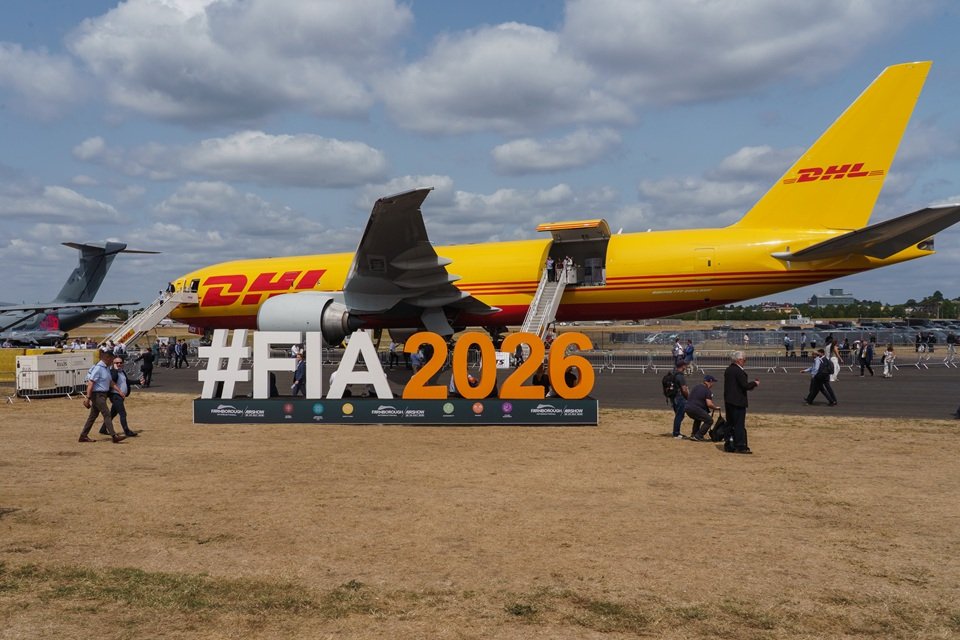
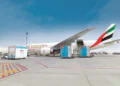
DHL Express has unveiled its first Boeing 777-200LR Mammoth Freighter (777-200LRMF) at the Farnborough International Airshow, marking a significant milestone in its fleet modernization programme. The company also confirmed that it has placed an order for 13 converted freighters, with the first four aircraft scheduled to enter commercial service before the end of 2026. The announcement follows Mammoth Freighters’ receipt of U.S. Federal Aviation Administration (FAA) Supplemental Type Certification (STC) for the aircraft earlier this year.
The new freighters will become part of DHL Express’ global air network, enhancing the company’s long-haul cargo capacity while supporting ongoing investments in fleet efficiency and operational reliability. The first aircraft has been allocated to DHL Air UK, where it will strengthen international express and freight services.
Related Post


Converted for Long-Haul Cargo Operations
The aircraft showcased at Farnborough was converted at Mammoth Freighters’ facility in Manchester, United Kingdom. The conversion included the installation of a large main-deck cargo door, a reinforced cargo floor and advanced cargo handling systems, transforming the passenger aircraft into a dedicated long-range freighter.
While the aircraft has undergone extensive structural modifications, the original Boeing 777-200LR airframe and engines have been retained, enabling operators to benefit from the proven performance, range and fuel efficiency of the aircraft while extending its operational life through cargo conversion.
The 777-200LR Mammoth Freighter has been designed to meet growing demand for high-capacity, long-range air cargo operations, offering express carriers and freight operators an efficient alternative to new-build freighters.
Strengthening DHL’s Global Air Network
Tom Mackle, Managing Director of DHL Air UK, said becoming one of the launch operators of the Mammoth Boeing 777-200LR converted freighter represents an important step in strengthening the company’s long-haul capabilities.
He noted that the addition of the aircraft will enhance delivery capacity for customers while building on DHL Air UK’s established operational expertise and technical capabilities.
Mackle added that the investment in modern aircraft, skilled personnel and infrastructure reflects DHL Express’ long-term commitment to operating a flexible and efficient fleet capable of delivering reliable global services while supporting broader sustainability objectives.
He also highlighted the company’s collaboration with Mammoth Freighters and other industry partners as preparations continue for the aircraft’s entry into commercial service.
FAA Certification Clears Path for Deliveries
The programme reached a major milestone in April 2026, when Mammoth Freighters received Supplemental Type Certification (STC) from the U.S. Federal Aviation Administration (FAA) for the Boeing 777-200LRMF conversion programme.
The certification authorises the commercial operation of the converted aircraft and enables Mammoth to begin customer deliveries.
In addition to DHL Express, Qatar Airways Cargo is also among the launch customers for the new freighter through an agreement covering five aircraft with Texas-based aircraft lessor Jetran.
Meeting Growing Demand for Long-Range Cargo Capacity
The Boeing 777-200LRMF programme reflects growing demand within the air cargo industry for modern, fuel-efficient converted freighters capable of serving long-haul international markets.
As e-commerce, express logistics and global supply chains continue to drive demand for dedicated cargo aircraft, operators are increasingly investing in next-generation conversion programmes that combine the performance of widebody aircraft with lower acquisition costs than factory-built freighters.
For DHL Express, the addition of 13 Mammoth Boeing 777-200 converted freighters represents another important step in expanding network capacity while modernising its global fleet to meet future cargo demand.