
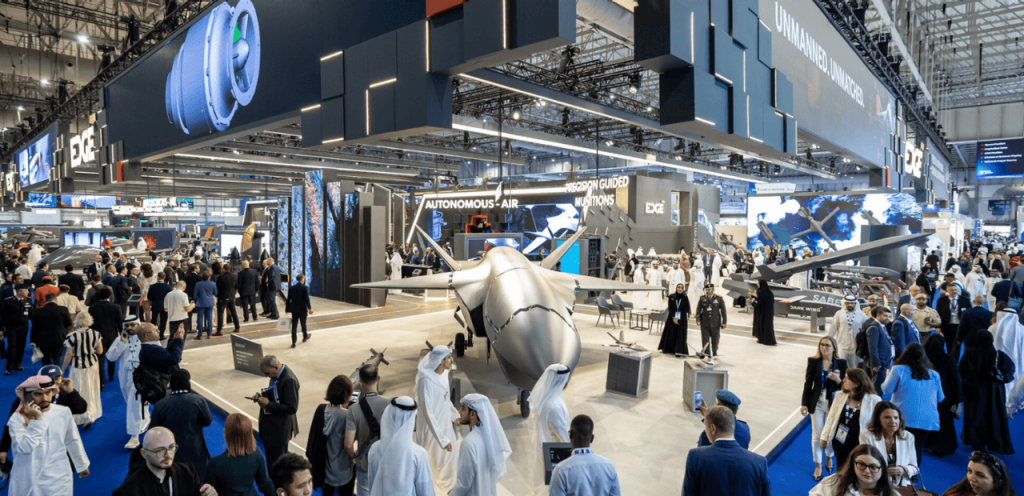
Day 2 of Dubai Airshow 2025 delivered a fresh wave of headline-making announcements as airlines, aerospace manufacturers, and aviation service providers unveiled significant deals and long-term strategic initiatives. From widebody fleet expansions and narrowbody fleet shifts to helicopter acquisitions and cargo growth plans, the news underscores the industry’s robust rebound and forward momentum.
Major Orders & Fleet Expansions
Etihad Airways reaffirms widebody commitment
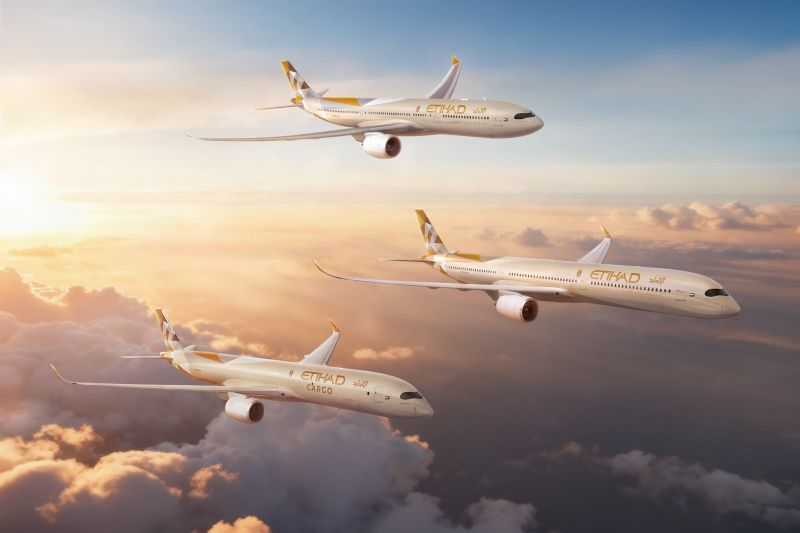
Etihad has placed a firm order for six Airbus A330-900 (A330neo) aircraft, marking its entry as a new customer for the A330neo. The carrier also committed to seven additional Airbus A350-1000s — bringing its total A350-1000 backlog to 27 — and three more Airbus A350F freighters, lifting its A350F commitment to 10.
These widebody jets will strengthen Etihad’s medium-haul, long-haul and cargo operations. As Etihad’s CEO put it, the mix of A330neo and A350 family aircraft offers the efficiency, flexibility, and cargo capability required for their network growth.
flydubai goes Airbus — signs MoU for 150 A321neo

In a strategic pivot from its historically Boeing-only fleet, flydubai signed a landmark Memorandum of Understanding (MoU) with Airbus for up to 150 Airbus A321neos.
This move signals a significant fleet diversification and aligns with flydubai’s expansion ambitions centered on Dubai World Central Airport. The A321neo’s efficiency and capacity profile make it attractive for the carrier’s projected growth in regional and high-density routes.
Wider Airbus momentum — global reach extending beyond just Gulf carriers
Beyond Gulf airlines, the ripple effect continued across international carriers and operators. Airbus has emerged as the dominant OEM in terms of orders at the show, with commitments spanning narrow-body jets, widebodies, freighters and rotorcraft.
Rotorcraft & Defence Moves
The show also saw significant rotorcraft activity: the Royal Moroccan Air Force placed a firm order for ten Airbus H225M helicopters. These machines, configured for combat-search-and-rescue and special operations, are slated to replace the air force’s older Puma fleet, demonstrating modernisation and capability upgrading in the defence rotorcraft segments.
What Day 2 Signals for Aviation & Cargo Futures
- The heavy concentration of widebody orders — including freighters — underscores renewed airline confidence in long-haul travel and air cargo, suggesting expansion in both passenger and cargo networks in the years ahead.
- flydubai’s pivot to Airbus signals a broader shift in fleet strategies among budget and regional carriers, likely influencing maintenance, leasing, and network planning across the industry.
- The mix of passenger jets, cargo freighters, and rotorcraft deals reflects a holistic growth outlook — airlines and air forces alike preparing for diversified demand, from commercial travel to logistics and defence operations.
- As production slots for new jets remain highly contested, carriers locking in orders now are likely betting on long-term demand growth and hedging against supply-chain or manufacturing constraints.
Why This Matters for Cargo & Logistics Stakeholders
For freight integrators, logistics providers, and cargo-focused airlines, the fleet developments at Dubai Airshow 2025 could translate into expanded cargo capacity, especially with additional freighters and widebody aircraft optimised for long-haul operations. Carriers like Etihad — with A350F freighters — highlight how the air-freight segment remains a priority even as passenger travel rebounds.
As narrow-body carriers such as flydubai expand regionally, there may also be increased demand for feeder-cargo flights, express logistics, and integrated multimodal services, especially across the Middle East, Africa, South Asia, and Europe — creating new opportunities for forwarders, ground-handling firms, and regional supply-chain networks.
Final Word
Day 2 of Dubai Airshow 2025 reaffirmed the global aviation industry’s bullish outlook: airlines pushing for modernisation, flexibility and capacity; helicopter orders reflecting evolving defence and regional mobility needs; and a clear signal that cargo — both passenger-adjacent and dedicated freighters — remains central to future growth plans.