
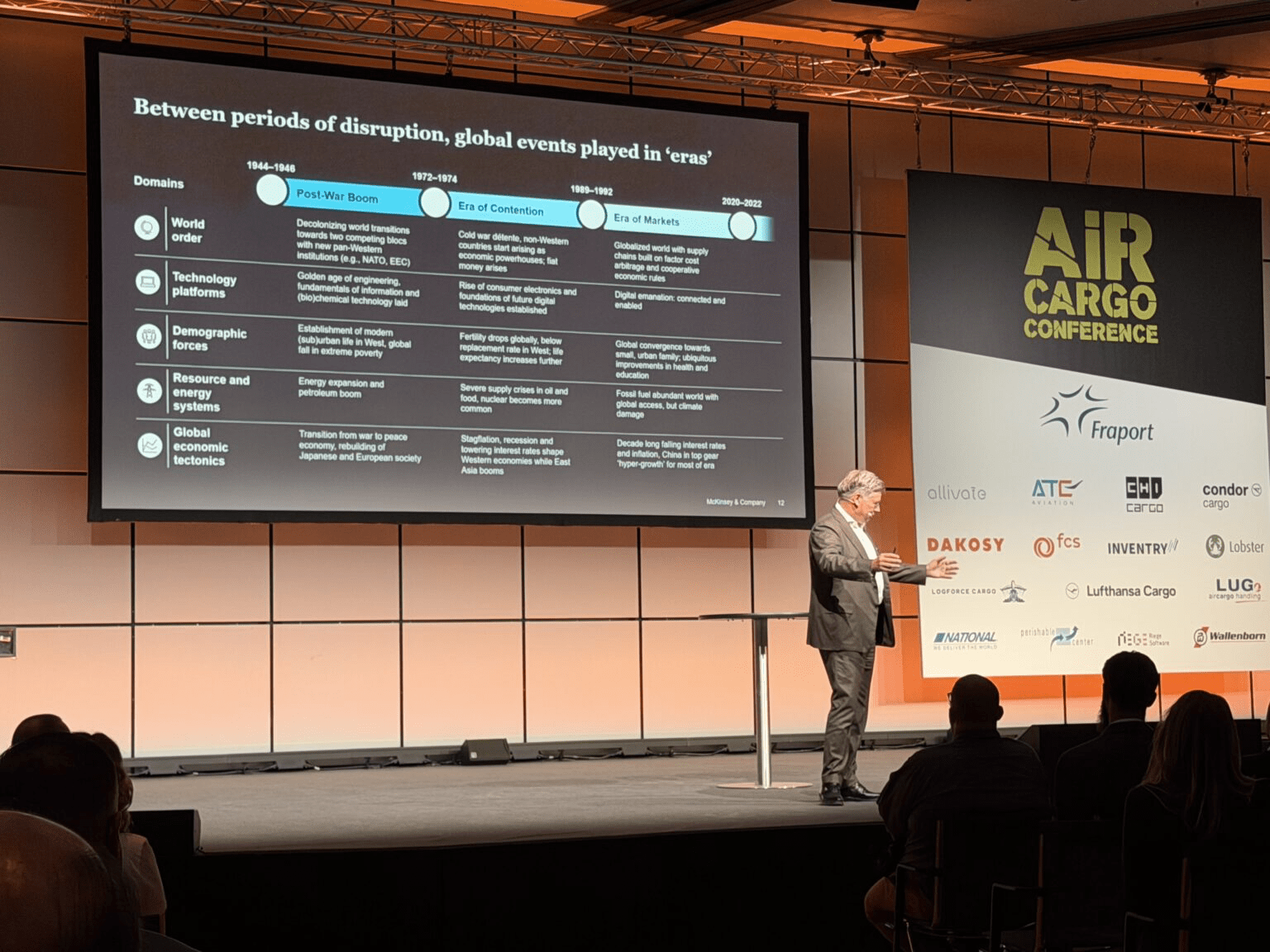
- Frankfurt’s Air Cargo Conference has become a major international industry gathering, attracting more than 400 delegates from airlines, freight forwarders, handlers, technology providers, suppliers and other parts of the global air cargo supply chain.
- Resilience is a central theme, with geopolitical tensions, trade disputes, conflicts, economic uncertainty and regulatory change testing supply chains. Speakers highlighted airfreight’s speed, flexibility and ability to keep goods moving when other transport routes are disrupted, while supporting critical sectors such as pharmaceuticals, healthcare, technology and manufacturing.
- The conference is focused on collaboration and innovation, combining keynote sessions and panels with an exhibition, startup pitches, networking tools and commercial meetings. Organisers stressed the importance of sharing expertise, developing new ideas and strengthening partnerships to help the industry respond to a rapidly changing market.
More than 400 industry delegates gathered in Frankfurt as the sector examined supply-chain resilience, technological change and the future competitiveness of air freight
More than 400 professionals from across the international air cargo and logistics sector gathered in Frankfurt on 2–3 September for the 11th Air Cargo Conference, as industry leaders examined how the sector can respond to geopolitical uncertainty, changing trade patterns and rapid technological development.
Hosted by Air Cargo Community Frankfurt e.V. at the Congress Center of Messe Frankfurt, the two-day event brought together representatives from airlines, freight forwarders, ground handlers, technology companies, suppliers and other parts of the air cargo supply chain.
Related Post
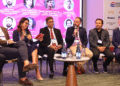
The conference has expanded significantly since its launch more than a decade ago. Following its 10th-anniversary edition at Deutsche Bank Park in 2025, the event moved to a larger venue at Messe Frankfurt for its 11th edition, reflecting increased participation and a broader international focus.
Resilience at the centre of debate
Supply-chain resilience emerged as a central theme, with speakers examining the impact of geopolitical tensions, trade disputes, conflicts, economic uncertainty and regulatory changes on global cargo flows.
Michael Hope, a board member of Air Cargo Community Frankfurt, said the diversity of companies and expertise represented across the air cargo supply chain was both a source of complexity and a competitive strength.
He also highlighted the ability of air freight to provide an alternative when other transport routes become disrupted, arguing that the sector’s speed and flexibility have become increasingly important in an uncertain trading environment.
Air cargo’s role extends beyond the movement of commercial goods, with the sector supporting industries including pharmaceuticals, healthcare, technology and manufacturing. The conference discussions reflected the wider importance of maintaining reliable international connections as supply chains adjust to changing conditions.
Frankfurt strengthens international focus
The conference attracted participants from across Europe and from markets including China, Ethiopia, India and the United States.
For the organisers, the international composition of the audience reflects both the global nature of air cargo and Frankfurt’s position as one of Europe’s major aviation and logistics centres.
The event’s programme brought together perspectives from across the supply chain, with sessions covering airline competitiveness, trucking, data, innovation, high-security cargo and emerging technologies.
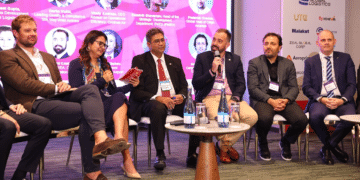
The official programme featured a high-level airline panel focused on global perspectives on air cargo competitiveness and resilience, alongside sessions examining the interaction between innovation and the established cargo industry.
Startups and technology take the stage
Technology was another major focus, with the conference giving startups and emerging solutions a more prominent platform.
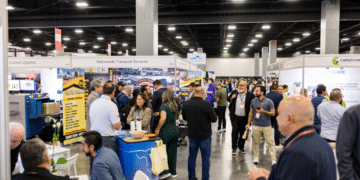
Eight startups were scheduled to present their solutions to a jury as part of the event’s Innovation Award programme. The conference also featured an expanded exhibition area, private meeting rooms and digital networking tools designed to facilitate business discussions between participants.
Felix Toepsch, Executive Director of Air Cargo Community Frankfurt, said the startup programme was intended to give innovative companies an opportunity to present their ideas directly to the wider cargo community.
The conference programme also devoted significant attention to artificial intelligence and automation. Sessions on the second day examined the practical development of AI projects, robotics and the industry’s energy requirements as new technologies move from experimentation towards operational deployment.
Data, trucking and the wider cargo ecosystem
The programme also underlined the importance of services beyond the aircraft itself.
A panel titled “Without Trucking no Air Freight” examined the role of road transport in connecting Frankfurt’s air cargo operation with shippers and destinations beyond the airport. Another session considered how a cargo use case had changed approaches to data, while a further panel focused on the relationship between innovation and the established industry.
The breadth of the programme reflects the increasingly interconnected nature of modern air freight, where airlines, airports, handlers, forwarders, road transport providers, technology companies and regulators all contribute to shipment performance.
Collaboration remains a priority
The organisers positioned the conference as a platform for collaboration as much as discussion.
Hope said events of this kind provide an opportunity for industry participants to exchange knowledge, develop new ideas, discuss challenges and identify potential opportunities.
That collaborative approach is becoming increasingly important as cargo operators contend with a market shaped by geopolitical disruption, changing trade policies, technology adoption and evolving customer requirements.
The first day concluded with a sunset cruise on the Main River, providing delegates with an informal setting for further networking after the conference sessions. The event continued on 3 September with discussions covering airline competitiveness, innovation, data and future technologies.
With its expanded venue, international participation and increased focus on startups and technology, the 2026 conference demonstrated the growing emphasis being placed on collaboration and innovation across Frankfurt’s air cargo community.