
Kale Logistics Solutions has taken a bold step in advancing digital transformation across global supply chains with its first‑ever artificial intelligence hackathon, KaiTETHON 2026. Held from 4–7 February in Mumbai, the pioneering event brought together students, start‑ups, industry innovators and corporate talent to tackle pressing challenges in air and maritime logistics through cutting‑edge AI solutions.
Organised as a 48‑hour in‑person innovation marathon, KaiTETHON attracted over 300 registered participants. After preliminary evaluations, a shortlisted group of 50 innovators formed 10 teams, each tasked with developing prototype solutions under four core themes: port community systems, airport cargo community systems, sales and business operations, and talent and human resources. Every team received strategic guidance from mentors drawn from Kale’s product and technology leadership.
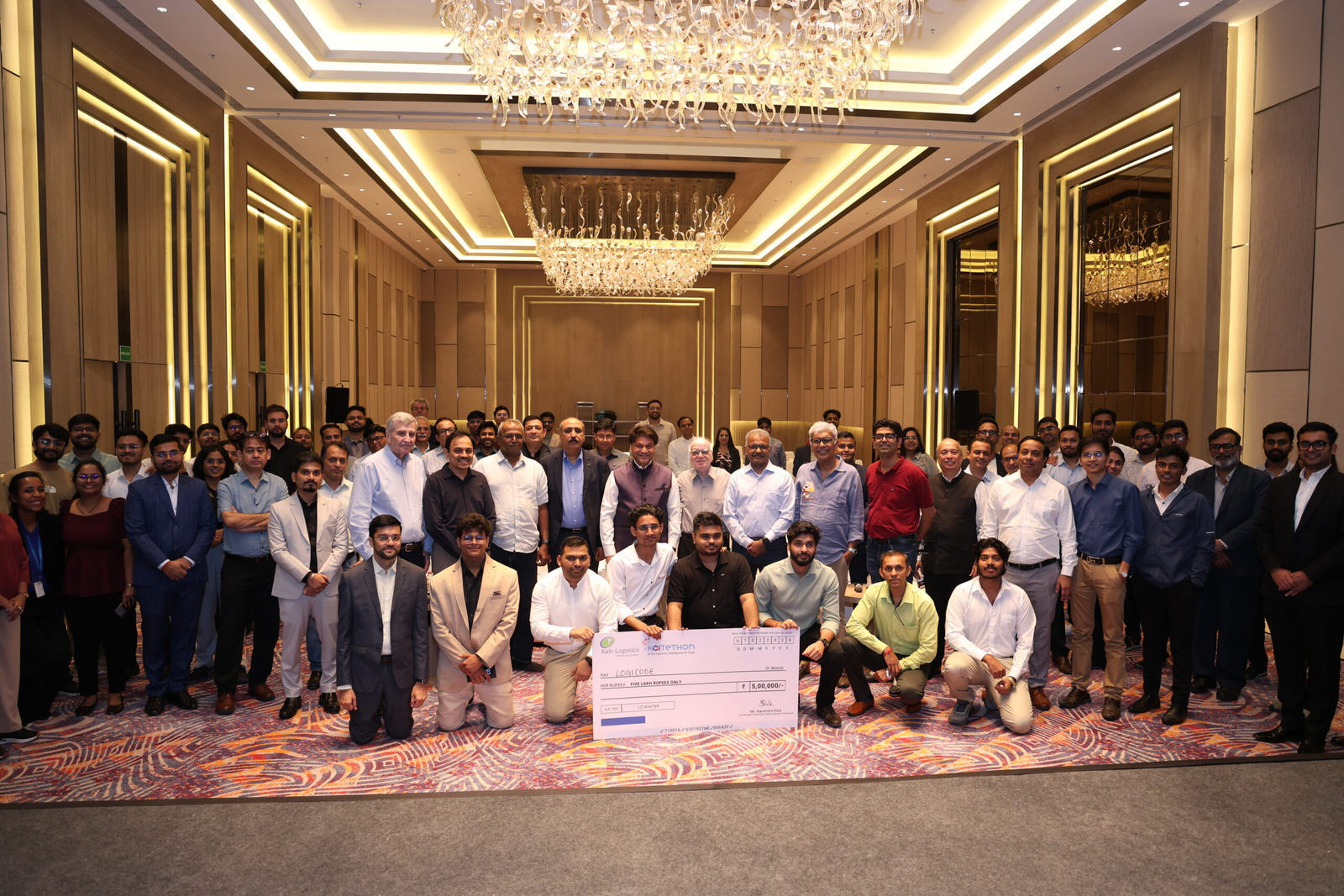
An independent panel of distinguished judges assessed the final submissions. The jury included Sudarshan Mogasale, CEO of Dassault Systèmes Solutions Lab; Rohit Pandharkat, Partner in Consulting – AI and Emerging Tech at EY; and Mithun John, Vice President, Startups at HDFC Bank. At the culmination of the event, winners and runners‑up across themes shared prizes totalling USD 14,200, with several concepts earmarked for further development within Kale’s innovation pipeline.
The top award went to Team Logicode—Himanshu Rathore, Tanmay Mandwekar, Sumit Bhagat and Siddhivinayak Chandrakant—for their flagship product PLACI (Pre‑Loading Advance Cargo Information AI Analyst). Guided by mentor Dhiraj Dhule, Director of Products at FlytBase, PLACI demonstrated the potential to revolutionise risk mitigation and operational decision‑making by detecting anomalies in cargo data before loading.
In a statement, Rajesh Panicker, Co‑founder and Chief Operating Officer of Kale Logistics Solutions, emphasised the crucial role of AI in reshaping logistics ecosystems. “Artificial intelligence is rapidly redefining supply chains,” Panicker said. “To harness its full potential, the industry must cultivate the skills and innovative mindset required to lead this transformation. By engaging with students and start‑ups through KaiTETHON, we are investing in the next generation of innovators poised to create more intelligent, connected and resilient logistics systems.”
Kale underscored that selected prototypes from KaiTETHON 2026 will now enter further development phases, with support from Kale’s technology teams and partner networks. This aligns with the company’s broader vision to integrate AI‑driven capabilities into its suite of logistics platforms, including cargo community systems that serve key trade gateways worldwide.
Looking ahead, Kale Logistics announced plans to make KaiTETHON an annual fixture on the logistics innovation calendar, with details of KaiTETHON 2027 to be revealed in due course. The company aims to deepen industry collaboration, expand thematic tracks and attract a broader international cohort of innovators in future editions.