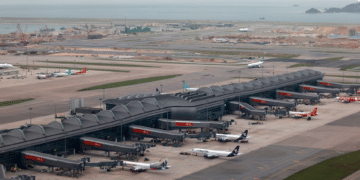

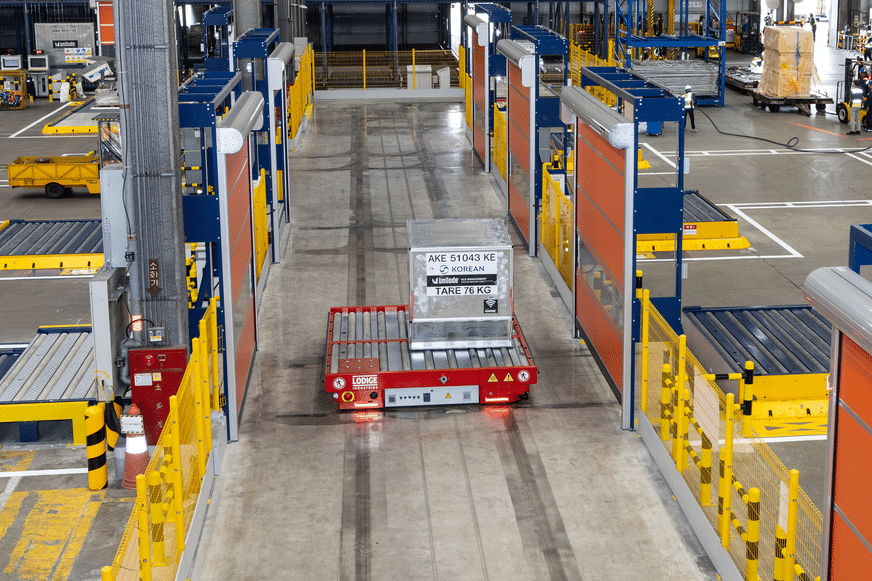
Korean Air has completed a major modernisation of its cargo terminal at Incheon International Airport, introducing automated handling technologies and upgraded transfer systems designed to improve freight-processing efficiency and increase capacity at its main cargo hub.
The project, which began in June 2025 and concluded in September 2026, has transformed the facility into what the airline describes as a fully integrated “Smart Terminal”.
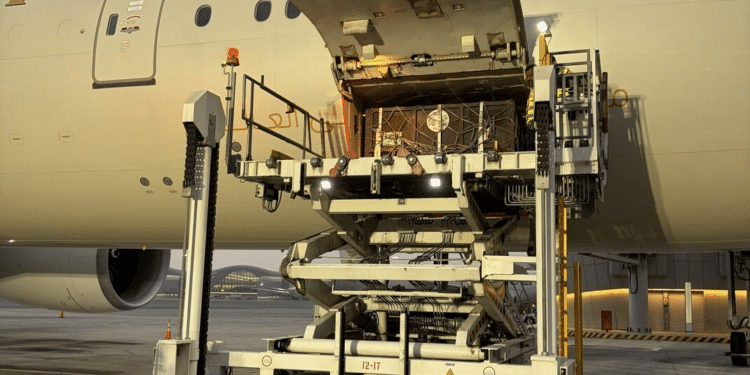
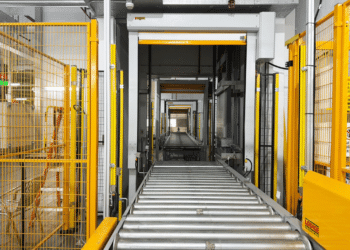
A central element of the upgrade is the deployment of automated guided vehicles (AGVs) alongside new elevating transfer vehicles (ETVs). The terminal’s cargo-transfer infrastructure has also been expanded from a single bypass line to two automated lines integrated with the upgraded ETV system.
Related Post
According to the reported project figures, the changes increase the terminal’s unit load device (ULD) processing capacity from 18 to 30 units per hour. Overall cargo-handling capacity is expected to rise by more than 25%.
Automation targets faster cargo processing
The upgraded systems are designed to streamline cargo movement through the terminal, reduce handling bottlenecks and improve operational precision. Automating the movement of heavy equipment is also expected to reduce manual handling requirements and improve working conditions for terminal staff.
The investment reflects the growing importance of efficient cargo infrastructure as airlines respond to changing freight flows and demand for faster, more reliable handling. Modernised terminal systems can help carriers manage cargo movements more effectively while supporting the processing of larger volumes.
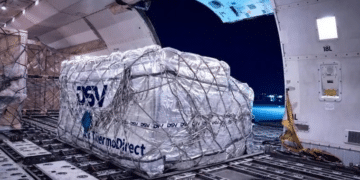
Korean Air is also expanding facilities for specialised cargo, a segment that can require dedicated storage and handling procedures. Its existing Incheon operations include temperature-controlled facilities for perishable and other sensitive shipments.
New York terminal modernisation follows
The Incheon upgrade forms part of Korean Air’s broader programme to modernise its cargo infrastructure. The airline is also upgrading its dedicated cargo terminal at John F. Kennedy International Airport in New York, with completion targeted for 2027.
The planned improvements at JFK include further automation and enhancements to specialised cargo facilities, supporting the airline’s efforts to strengthen handling capabilities across its international network.
With the Incheon project now complete, Korean Air expects the upgraded terminal to improve operational efficiency and provide additional capacity at a key gateway for its global air cargo business.