
Global air cargo network dynamics are undergoing a noticeable redistribution, with freighter capacity increasingly shifting away from traditional Middle Eastern transit hubs toward emerging gateways in Europe and Central Asia, according to the latest analysis from aviation data specialist Rotate.
The March 2026 dataset indicates that airline network adjustments—driven by ongoing geopolitical tensions linked to the US–Israel–Iran conflict—have accelerated the repositioning of freighter capacity across multiple regions. While a temporary ceasefire has introduced short-term stability, analysts note that structural changes in routing patterns are already visible in comparative year-on-year capacity flows.
Istanbul leads global growth in freighter capacity
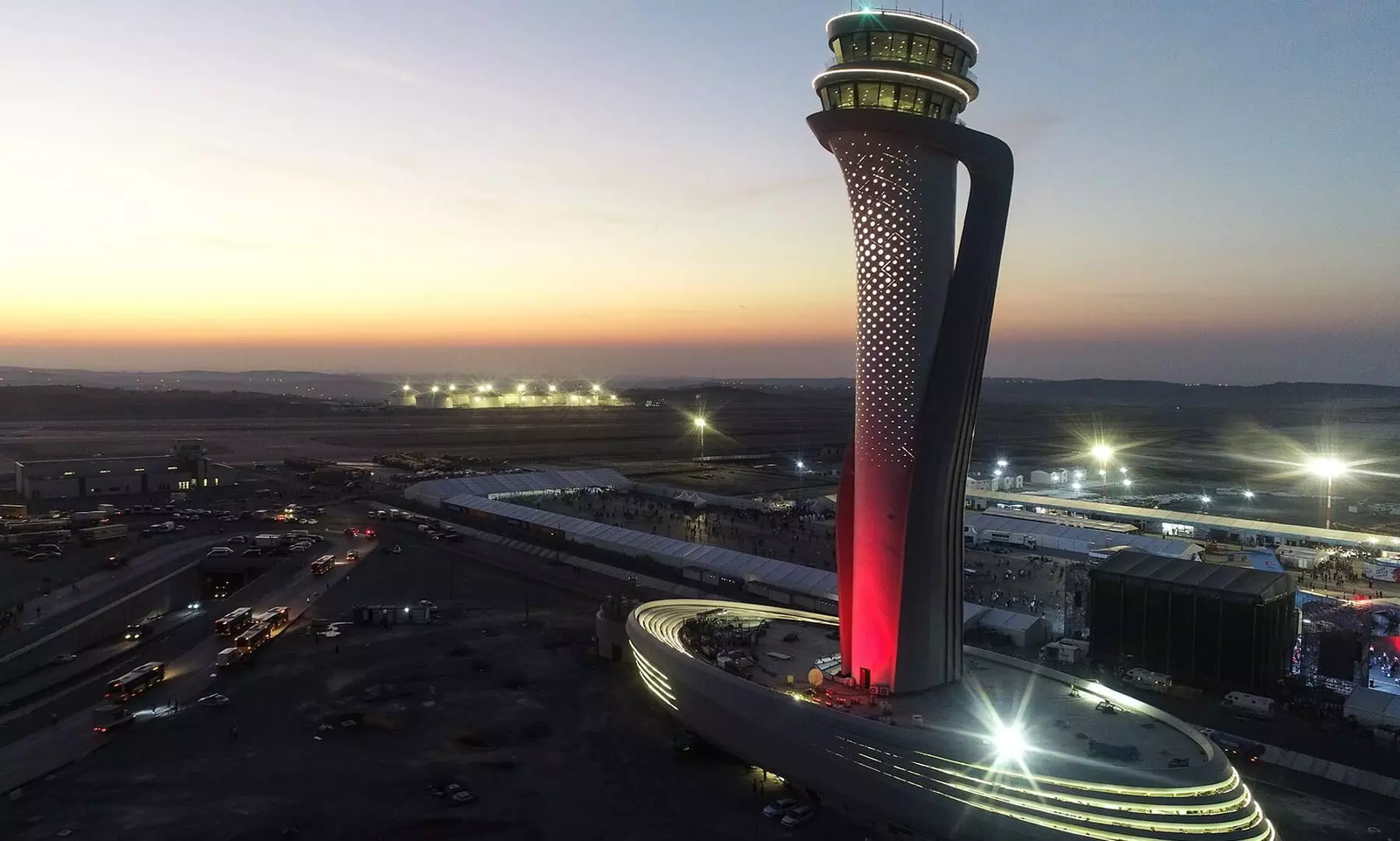
Among the most significant developments is the rapid expansion of freighter capacity at Istanbul Airport, which has emerged as one of the fastest-growing cargo gateways globally. Alongside Istanbul, Heydar Aliyev International Airport and Muscat International Airport also ranked among the top ten airports worldwide for outbound freighter capacity growth.
Related Post



Rotate’s analysis, which compares March 2026 against March 2025 capacity levels, attributes much of this expansion to airline network realignments triggered by disruptions in West Asia. The data suggests that carriers have increasingly restructured routings to bypass constrained or higher-risk airspace, redirecting traffic through alternative hubs with greater operational flexibility.
“The March headlines are heavily shaped by developments in West Asia. Part of this ranking also reflects how airlines have been adjusting networks and operations in response,” the report noted.
Established hubs maintain global dominance
Despite the emergence of new growth centres, established cargo hubs continue to play a dominant role in global freight distribution. Shanghai Pudong International Airport, Leipzig/Halle Airport, and Liège Airport remain central nodes within the international air cargo network.
These legacy hubs continue to provide high-frequency connectivity and integrated logistics infrastructure, reinforcing their importance even as capacity shifts occur across geopolitically sensitive regions.
Dual structure emerging in global air cargo flows
Industry observers note that the March data highlights a dual structural trend in global air freight: rapid, volatility-driven capacity shifts in politically sensitive transit corridors, alongside stable and sustained growth at established logistics hubs.
This evolving pattern suggests that global cargo networks are becoming increasingly adaptive, with airlines balancing risk mitigation strategies against long-term efficiency considerations. While emerging hubs such as Istanbul are benefiting from rerouted flows, core distribution centres in Asia and Europe continue to anchor global supply chains.
As geopolitical conditions remain fluid, analysts expect further adjustments in freighter deployment strategies over the coming months, particularly if regional tensions persist or alternative routing efficiencies continue to emerge.