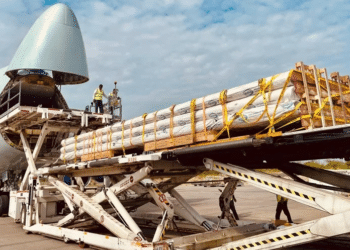

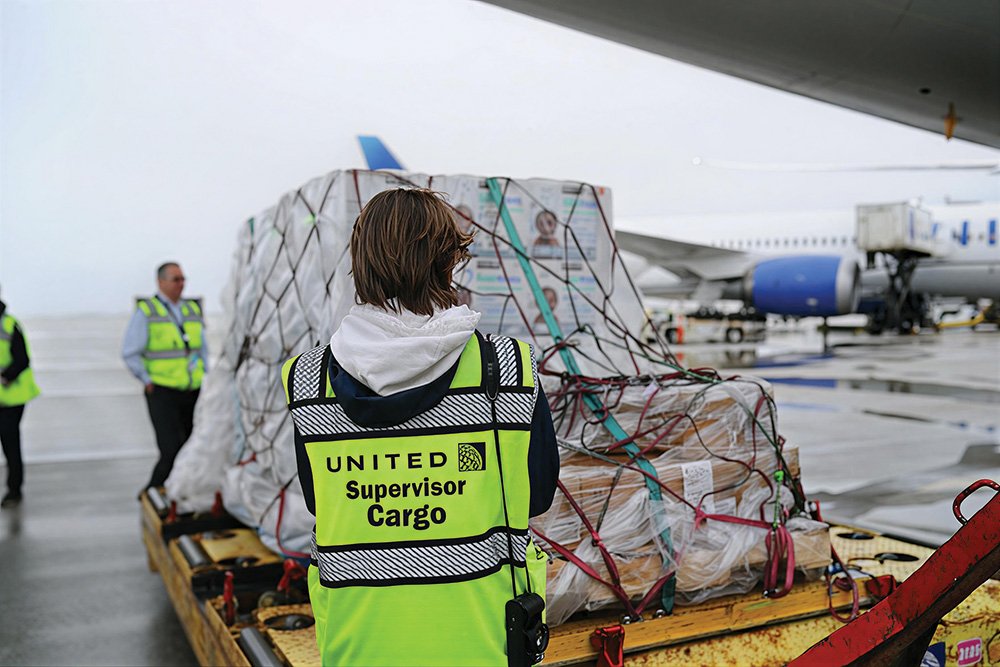
United Cargo, in collaboration with Airlink and Good360, has executed a coordinated humanitarian airlift to deliver urgent relief supplies to communities in Hawaii impacted by severe Kona Low storm systems.
The operation follows a series of intense weather events that struck Maui and Oahu, causing widespread flash flooding and landslides. The storms resulted in the displacement of more than 10,000 residents, with significant damage to housing, infrastructure, and essential services across the islands.
Rapid Deployment of Relief Cargo
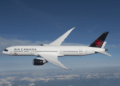
On 10 April 2026, a United Airlines flight operated by a Boeing 787 Dreamliner departed Chicago O’Hare International Airport carrying several tonnes of emergency relief supplies destined for Kahului Airport.
Related Post
The shipment included critical aid items such as portable generators, baby care products, hygiene kits, and other essential relief goods. All supplies were donated through Good360’s network and prepared for immediate distribution to support affected communities and emergency response efforts.
The airlift formed part of a broader coordinated response aimed at restoring basic living conditions and supporting recovery in areas where infrastructure and public services have been severely disrupted.
Coordinated Humanitarian Aviation Response
The operation was enabled through the established partnership between United Cargo and Airlink, which facilitates the use of commercial aviation capacity for disaster relief missions worldwide. The collaboration allows for rapid mobilisation of aircraft space, expedited cargo processing, and streamlined logistics coordination during emergency situations.
Airlink worked closely with Good360 and local partner organisations to identify priority needs on the ground, ensuring that the shipment reflected immediate community requirements. The coordination between aviation partners and humanitarian agencies enabled the efficient movement of goods from donor networks to affected regions within a compressed timeframe.
Impact on Affected Communities
Relief organisations emphasised that the delivered supplies will play a critical role in supporting families in the immediate aftermath of the storms. Generators are expected to assist with restoring temporary power supply in affected areas, while hygiene and essential care items address urgent public health and welfare needs.
The ongoing weather instability in the region continues to present challenges for recovery operations, with disrupted infrastructure and limited access to essential services in several communities.
Aviation’s Role in Disaster Relief Logistics
The response highlights the growing importance of air cargo in global humanitarian logistics, particularly in geographically isolated regions such as Hawaii, where maritime or land-based alternatives are limited or significantly slower.
Commercial aviation partnerships with humanitarian organisations have become increasingly vital in enabling rapid response capabilities, allowing for the timely delivery of life-saving supplies during natural disasters.
Outlook
As climate-related extreme weather events increase in frequency and intensity, the integration of aviation capacity with humanitarian logistics networks is expected to play an even greater role in emergency preparedness and response strategies.
The Hawaii relief operation demonstrates how coordinated efforts between airlines, non-profit organisations, and logistics partners can accelerate aid delivery and improve resilience in disaster-affected communities.