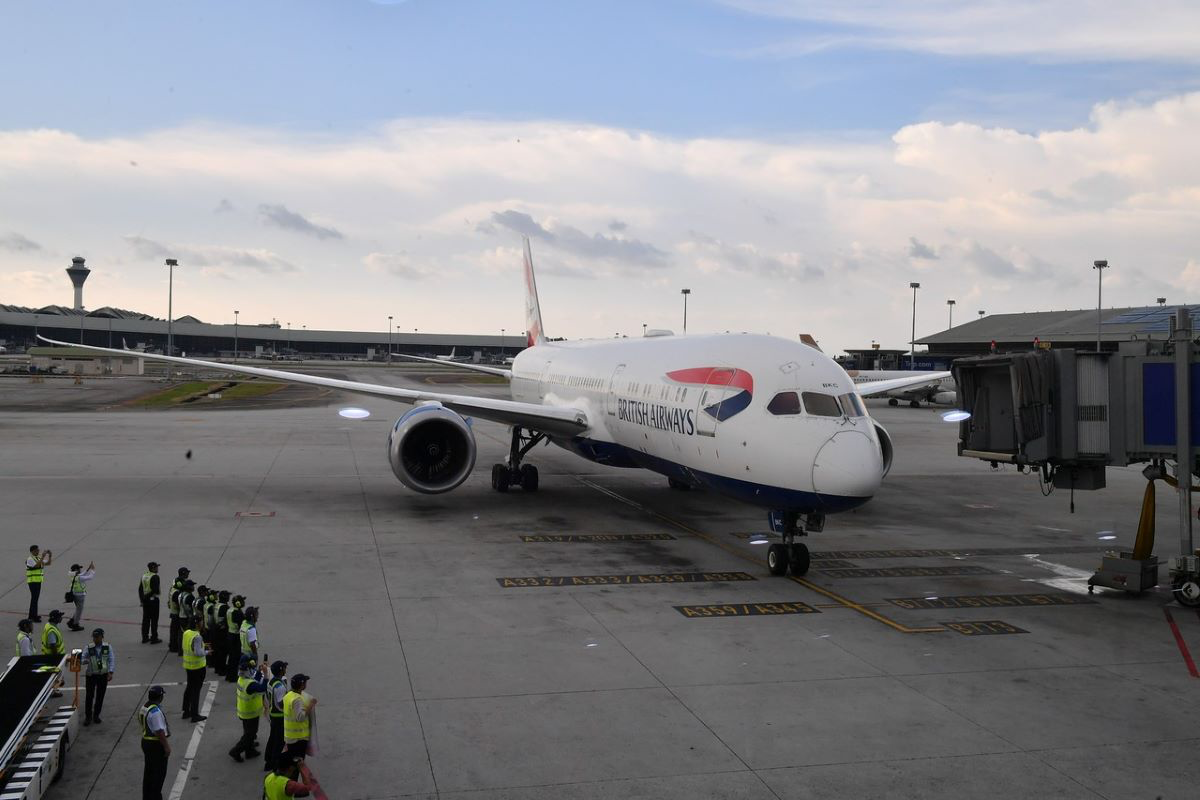
British Airways is reportedly seeking up to £10 million in compensation from Heathrow Airport after a series of baggage handling failures disrupted thousands of passenger journeys and intensified concerns over operational resilience at one of the world’s busiest international hubs.
The compensation claim follows a major baggage system breakdown between 15 and 17 May that reportedly caused approximately 20,000 bags to miss flights, separating passengers from their luggage and triggering widespread delays, missed connections, and customer service disruption across the airline’s network.
According to reports first published by the Financial Times and subsequently confirmed by multiple industry sources, British Airways Chief Executive Sean Doyle described the latest incident as “significant and unacceptable” in correspondence sent to Heathrow CEO Thomas Woldbye.
Related Post



The incident marks the third major baggage handling disruption affecting British Airways operations at Heathrow this year, further escalating tensions between the airline and airport operator ahead of the peak summer travel season.
Industry sources indicate the airline has already incurred substantial costs linked to recovery operations, including baggage repatriation, customer compensation, overnight accommodation, rebooking expenses, and emergency support services.
Thousands of Bags Miss Flights During Terminal 5 Disruption
The most recent disruption is understood to have originated within Heathrow Terminal 5’s baggage handling infrastructure, a critical operational hub for British Airways’ global network.
Sources cited by aviation and travel industry publications suggested the airport’s tilt-tray baggage system experienced a software-related lock-up after passenger and baggage volumes exceeded operational thresholds.
As Heathrow serves as British Airways’ primary international transfer hub, the disruption rapidly spread across connecting services and interline operations feeding more than 200 destinations worldwide.
Reports indicate that approximately:
- 20,000 bags were disrupted during the latest incident
- Around 7,000 bags were affected during the UK half-term travel period
- A further 4,000 baggage disruptions occurred during Easter operations earlier this year
The repeated failures have raised growing concerns regarding the resilience and scalability of Heathrow’s aging infrastructure as passenger traffic continues to recover strongly across international markets.
Heathrow Under Pressure Over Infrastructure Reliability
Heathrow Airport has apologised for the latest disruption and confirmed that an internal investigation is underway.
The operational failures have also intensified wider industry debate around infrastructure investment, resilience planning, and accountability at major global hub airports.
According to industry analysts, the baggage disruptions highlight the increasing vulnerability of legacy airport systems operating under sustained post-pandemic traffic recovery and mounting operational pressure.
The UK Civil Aviation Authority (CAA) is reportedly consulting on stricter infrastructure resilience requirements that could potentially require Heathrow to allocate protected funding toward critical operational upgrades, including baggage and passenger handling systems.
The issue is particularly significant for airlines such as British Airways, whose business model relies heavily on smooth hub-and-spoke connectivity through Heathrow.
Airlines Push for Greater Accountability
The reported compensation demand also reflects a broader shift in airline-airport dynamics, with carriers increasingly seeking accountability for operational failures occurring within regulated airport infrastructure.
Several airlines operating through Heathrow are understood to be closely monitoring the situation, particularly as summer traffic volumes continue rising across Europe and North America.
According to reports, both Virgin Atlantic and United Airlines have publicly supported calls for stronger accountability mechanisms, arguing that airlines and passengers should not bear the financial consequences of systemic airport infrastructure failures.
Industry observers note that the dispute may influence ongoing discussions surrounding airport slot allocations, operational capacity management, and future infrastructure investment obligations at Heathrow.
Wider Impact on Business Travel and Cargo Connectivity
Beyond passenger inconvenience, repeated baggage system failures at Heathrow also raise concerns for premium travel, business mobility, and cargo connectivity operations.
Corporate travel managers cited by industry publications reportedly said companies are increasingly advising executives to avoid tight connections through Heathrow and encouraging greater use of tracked carry-on luggage during critical international travel.
The disruptions also underscore the growing operational importance of infrastructure resilience at major global gateway airports, particularly as airlines continue rebuilding international schedules and premium long-haul demand.
For cargo operators and logistics stakeholders, any operational instability at Heathrow carries wider implications given the airport’s central role in global freight, bellyhold cargo flows, express shipments, and time-sensitive international supply chains.
As investigations continue, industry stakeholders will be closely watching whether Heathrow accelerates investment into baggage system modernization and operational contingency planning ahead of the busy northern hemisphere summer season.