
- Alaska Airlines and Hawaiian Airlines have unified their cargo operations on IBS Software’s iCargo platform, creating a single digital cargo management system with standardised policies, simplified billing and consolidated shipment tracking.
- The integration improves operational efficiency through shared real-time shipment visibility, unified warehouse and cargo workflows, and stronger coordination across both airlines, while replacing Hawaiian Air Cargo’s legacy system without disrupting live operations.
- The move also extends Alaska Cargo’s GoldStreak next-flight-out express service across the Hawaiian Islands for the first time, expanding support for time-critical shipments such as medical supplies and urgent documents.
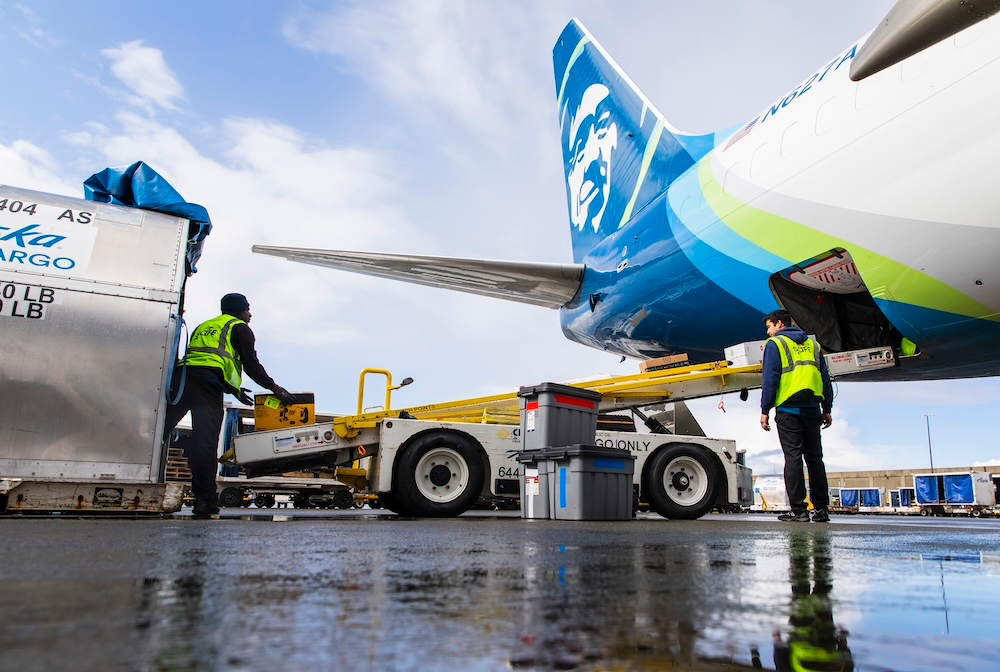
Alaska Airlines and Hawaiian Airlines have successfully unified their cargo operations on IBS Software’s iCargo platform, marking a major milestone in the integration of the two carriers’ logistics and cargo management systems. The move creates a single digital cargo management environment designed to streamline operations, improve shipment visibility, and enhance customer service across the combined cargo network.
The integration follows Alaska Airlines’ earlier adoption of the iCargo platform in 2022 and now brings Hawaiian Air Cargo onto the same system, replacing Hawaiian’s legacy cargo management infrastructure. By consolidating both carriers onto one unified platform, the airlines aim to simplify cargo operations, standardise policies, and deliver a more seamless experience for freight forwarders, shippers, and logistics partners.
The unified system enables customers to access a consolidated online portal where they can book, manage, and track cargo shipments across the expanded Alaska-Hawaiian network. The platform also standardises billing procedures, shipment tracking capabilities, and cargo workflows, reducing operational complexity and eliminating inefficiencies created by disconnected systems.
Related Post



Industry observers view the transition as a significant step in post-merger cargo integration, particularly as airlines increasingly prioritise digitalisation, operational efficiency, and real-time supply chain visibility.
According to the companies, the migration delivers several operational benefits. Real-time shipment visibility is now shared across the combined network, enabling faster operational decision-making and improved reliability for customers handling time-sensitive cargo movements. Import, export, and warehouse procedures are now managed through a unified workflow, reducing manual interventions and lowering the risk of data inconsistencies and operational errors.
The integration also improves coordination between operational teams across both airlines, allowing faster responses to disruptions and strengthening network-wide collaboration. IBS Software stated that its experience in managing large-scale cargo migrations played a key role in ensuring the transition was completed without disrupting live operations.
The unified cargo platform additionally supports the expansion of Alaska Cargo’s GoldStreak Package Express service into the Hawaiian Islands for the first time. The next-flight-out express service is designed for urgent and time-critical shipments such as medical supplies, legal documents, and high-priority packages, providing enhanced logistics connectivity between Hawaii and mainland markets.
Ian Morgan, Vice President of Alaska Cargo, said the transition was a logical step following the operational alignment of the two airlines.
“Bringing Hawaiian Air Cargo onto iCargo was a logical and necessary step following the combination. With iCargo as our single platform, we have a consistent, reliable foundation that supports how we operate today and gives us the scalability to grow. This improved system allows us to focus our resources on providing the exceptional care for our customers that they have come to know and love from Alaska and Hawaiian,” Morgan said.
Radhesh Menon, Vice President and Head of Cargo and Logistics Solutions at IBS Software, highlighted the complexity of post-merger cargo integrations and the importance of unified digital infrastructure.
“Alaska and Hawaiian now operate as one cargo network, on one platform. The complexity of running parallel systems after a merger is a real operational burden. This integration reflects iCargo’s ability to support carriers through complex consolidations and deliver a platform built for long-term scale,” Menon said.
The deployment further strengthens IBS Software’s presence in the North American air cargo sector, where airlines are increasingly investing in digital transformation initiatives to improve operational resilience, customer visibility, and end-to-end cargo management capabilities.
The integration also reflects broader industry trends toward consolidation and automation as carriers seek to optimise cargo operations amid growing e-commerce demand, tighter supply chain timelines, and increasing customer expectations for real-time shipment tracking and digital self-service capabilities.
By operating under a single cargo management platform, Alaska Airlines and Hawaiian Airlines are positioning themselves to enhance operational efficiency while expanding service offerings across their combined domestic and international networks.